
Key Takeaways
- Student academic freedom is linked to democratic renewal across Africa.
- University governance structures, not only the state, can restrict student participation.
- Proposed a collaborative, horizontally‑consulted model involving state, institutions, faculty, students and civil society.
- Independent, non‑partisan student leadership is presented as essential for credible campus politics.
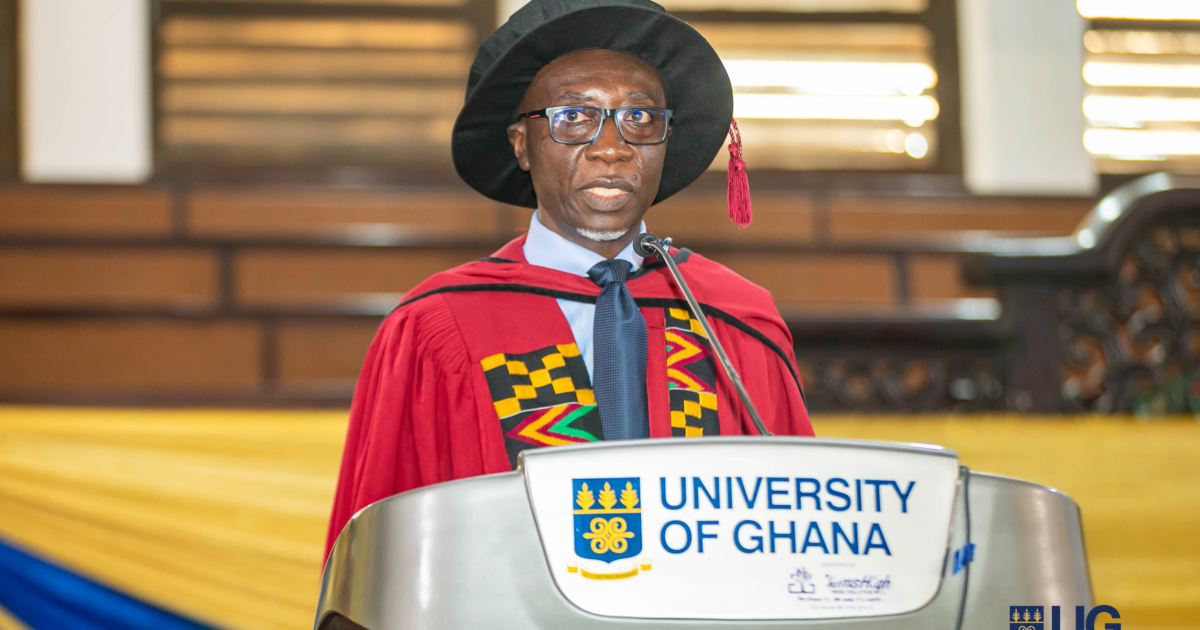
Professor Kwadwo Appiagyei‑Atua, a leading scholar of international law at the University of Ghana, delivered the ninth Inaugural Lecture for the 2025/2026 academic year. The address, titled “The Student Question: Reclaiming Academic Freedom for Democratic Renewal in Africa,” examined the intersection of higher‑education policy and democratic development.
Drawing on the 1990 Dar es Salaam Declaration, the professor positioned students as rights‑holders whose ability to study, dissent and partake in governance shapes the quality of democracy beyond campus walls.
Historical Context of Academic Freedom in Africa
Post‑colonial African universities inherited legal frameworks that emphasized state control over curricula and administration. Over the past three decades, reforms have gradually expanded statutory protections for scholars, yet the legacy of hierarchical governance endures. The lecture traced this evolution, noting that early independence movements linked university autonomy with nation‑building, while subsequent political turbulence often re‑centralised authority.
Comparative analysis of South African, Kenyan and Ghanaian higher‑education policies illustrates divergent trajectories. South Africa’s constitutional guarantee of academic freedom contrasts with Ghana’s reliance on statutory instruments that leave room for administrative discretion. Appiagyei‑Atua argued that these historical patterns inform contemporary power dynamics within campuses.
Structural Challenges Within Universities
Internal hierarchies, according to the professor, can be as restrictive as external political pressure. Management practices that concentrate decision‑making in senior councils limit transparent dialogue with student bodies. Faculty committees that exclude student representatives further entrench a top‑down model.
Empirical studies cited in the lecture reveal that student participation rates in university governance in Ghana remain below 15 percent, despite formal inclusion clauses. The professor suggested that without equitable power sharing, academic freedom risks becoming a symbolic right rather than an operative principle.
To counteract these trends, the lecture introduced a collaborative governance model built on distributed authority, horizontal consultation and mutual accountability. The model envisions joint policy‑making platforms where civil‑society NGOs, student unions and academic staff negotiate resource allocation and curriculum design.
Implications for Democratic Practice
The campus environment serves as a training ground for civic engagement. When students experience genuine deliberation and accountability, they are more likely to transfer these habits to national politics. Appiagyei‑Atua highlighted case studies from Ghanaian alumni who entered public service and credited participatory university experiences with shaping their democratic orientation.
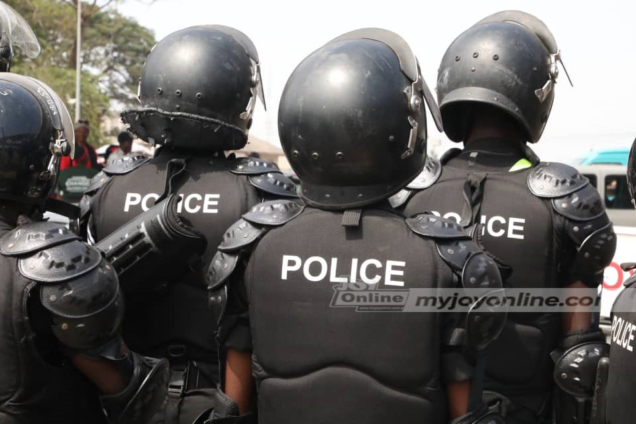
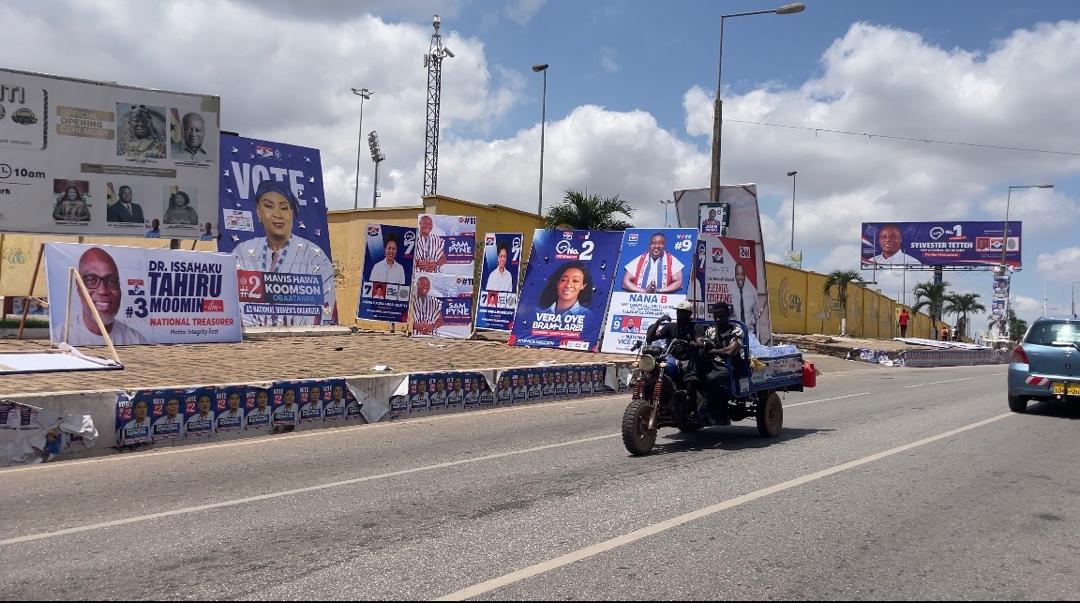
Conversely, the infiltration of partisan politics into student elections can erode trust in student representation. The professor warned that alignment with external parties may convert student activism into proxy battles, diluting independent advocacy. Recommendations include transparent campaign financing and the establishment of non‑partisan student leadership codes.
Looking Ahead
Implementation of the proposed collaborative model will require legislative endorsement, capacity building for university administrators and sustained engagement from civil‑society partners. Pilot programmes at select Ghanaian campuses are slated for the 2026 academic year, offering a testbed for measuring impacts on student participation and academic outcomes.
Long‑term monitoring will determine whether enhanced academic freedom contributes measurably to democratic resilience across the continent. The lecture thus positions higher education reform as a strategic lever for broader political renewal.



0 Comments
Leave a Comment
No comments yet. Be the first to share your thoughts!