
Key Takeaways
- African women are calling for air quality policies that better reflect their realities, citing gender differences in pollution exposure.
- Women are disproportionately affected by air pollution due to traditional caregiving roles, cooking with polluting fuels, and occupations that expose them to harmful emissions.
- The Women in Air Quality initiative aims to create a platform for women to share their experiences, research, and expertise in air quality policy-making.
- The initiative hopes to influence cleaner, more inclusive air quality policies that prioritize women's health and well-being.
African women are speaking out against the lack of air quality policies that reflect their realities, citing gender differences in pollution exposure as a major concern. In many parts of the continent, women are disproportionately affected by air pollution due to their traditional caregiving roles, cooking with polluting fuels, and occupations that expose them to harmful emissions.
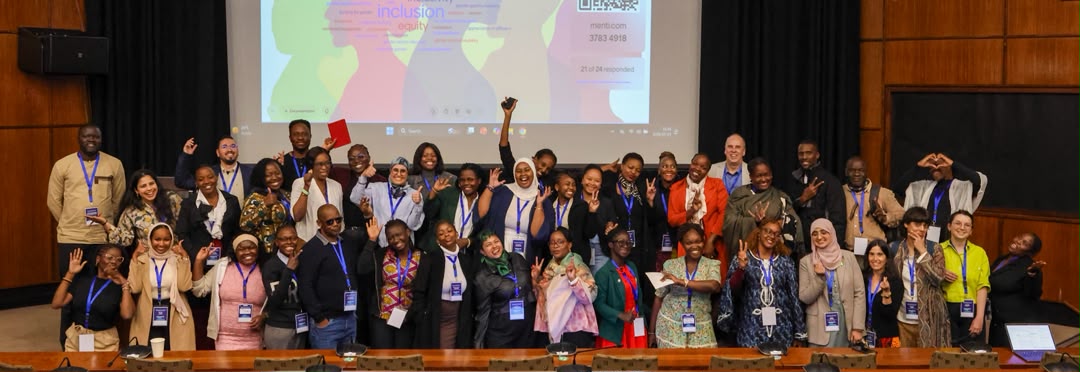
Experts and advocates at the Africa Clean Air Forum in Pretoria, South Africa, emphasized that exposure to air pollution is shaped by where people live, work, and the roles they play in society. They argued that traditional air quality policies often overlook the everyday realities women face, such as cooking with biomass fuels, working in roadside markets, and caring for children.
Background & Context
The Women in Air Quality initiative was launched to create a platform for women to share their experiences, research, and expertise in air quality policy-making. The initiative aims to bring together women from across Africa and Asia to discuss the links between air pollution, health, and climate change.
According to Dr. Pallavi Pant, Head of Global Initiatives at the Health Effects Institute, women face several challenges in the field of air quality, including lack of access to resources, funding, and opportunities for career advancement. She emphasized the need for more research on the links between air pollution and women's health, as well as the development of policies that prioritize women's health and well-being.
Key Findings
Research has shown that women are disproportionately affected by air pollution due to their traditional caregiving roles, cooking with polluting fuels, and occupations that expose them to harmful emissions. A study by the Health Effects Institute found that women in Africa are more likely to be exposed to air pollution than men, particularly in urban areas.
The Women in Air Quality initiative has already made significant progress in bringing together women from across the continent to discuss the links between air pollution, health, and climate change. The initiative has also facilitated collaboration between women researchers, policymakers, and activists, leading to the development of new policies and interventions that prioritize women's health and well-being.
Broader Implications
The Women in Air Quality initiative has broader implications for air quality policy-making in Africa. By prioritizing women's health and well-being, policymakers can develop more effective policies that address the root causes of air pollution, rather than just its symptoms.
The initiative also highlights the need for more research on the links between air pollution and women's health, as well as the development of policies that address the unique challenges faced by women in Africa. By working together, women can create a more just and equitable society that prioritizes their health and well-being.
Looking Ahead
The Women in Air Quality initiative is looking ahead to a future where women are central to decision-making on air quality policies. The initiative aims to create a fully resourced organization that can support women across Africa and Asia, while influencing cleaner, more inclusive air quality policies.
Dr. Pant hopes that the initiative will continue to grow and evolve, providing a platform for women to share their experiences, research, and expertise in air quality policy-making. By working together, women can create a more just and equitable society that prioritizes their health and well-being.






0 Comments
Leave a Comment
No comments yet. Be the first to share your thoughts!