
Key Takeaways
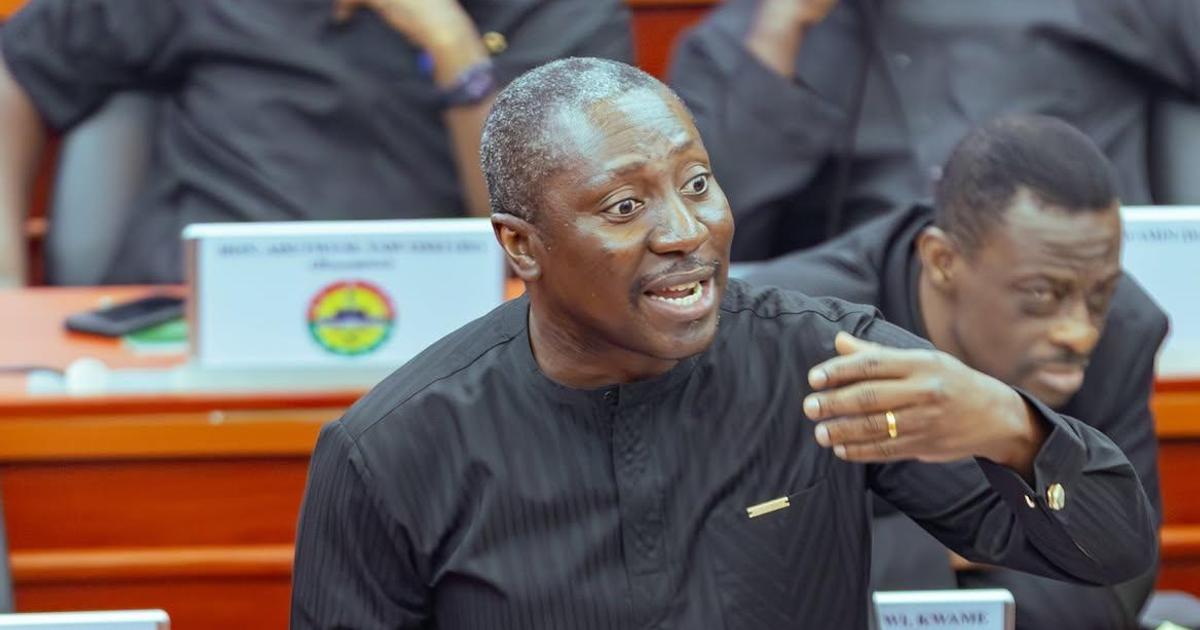
- Minority Leader Alexander Afenyo‑Markin announced intent to pursue legal remedies against statements he deems defamatory.
- He links personal attacks to attempts at diverting scrutiny from the Domestic Gold Purchase Programme’s financial performance.
- An IMF assessment cited by Afenyo‑Markin indicates the programme’s 2025 expansion generated losses exceeding US$1 million.
- The controversy highlights tensions between Ghana’s parliamentary opposition and the executive over gold‑sector policy.
Alexander Afenyo‑Markin, the Minority Leader in Ghana’s Parliament, declared that he will seek legal recourse over remarks he characterises as false and defamatory. The declaration follows a series of public exchanges concerning the Ghana Gold Board’s oversight of the Bank of Ghana’s Domestic Gold Purchase Programme (DGPP).
Afenyo‑Markin contends that the attacks serve to shift attention from financial questions he raised about the DGPP, a programme designed to stabilise the national currency by purchasing locally mined gold.
Background and Policy Context
The Domestic Gold Purchase Programme was introduced in 2022 as part of a broader strategy to diversify Ghana’s foreign‑exchange earnings and reduce reliance on cocoa and oil revenues. By buying gold directly from miners, the Bank of Ghana aims to inject liquidity into the economy while supporting the formalisation of the artisanal mining sector.
Implementation rests on the Ghana Gold Board, the regulatory body responsible for licensing miners, monitoring production, and ensuring compliance with environmental standards. Since its inception, the DGPP has attracted both domestic and foreign investment, but its financial sustainability has been a point of debate among economists.
Financial Findings and IMF Assessment
An International Monetary Fund (IMF) technical note referenced by Afenyo‑Markin indicates that the programme’s scaling‑up in 2025 resulted in losses exceeding US$1 million. The report attributes the shortfall to a combination of lower-than‑expected gold prices, operational inefficiencies, and delayed payments to miners.
Critics argue that the IMF’s figures underscore systemic risks, including potential pressure on the cedi and the fiscal budget. Proponents counter that the programme’s long‑term benefits—such as increased tax revenue from a formalised mining sector—may offset short‑term deficits.
Political Dynamics and Legal Considerations
The dispute unfolds against a backdrop of heightened parliamentary oversight of executive economic policies. Afenyo‑Markin’s call for legal action reflects a broader strategy by the opposition to hold the government accountable for perceived mismanagement of state‑linked programmes.
Ghanaian defamation law permits individuals to seek damages for statements that damage reputation, provided the claimant can demonstrate falsity and malice. The outcome of any potential lawsuit could set a precedent for how political criticism is adjudicated in the country’s public sphere.
Looking Ahead
Future developments will likely hinge on the government’s response to the IMF findings and the opposition’s legal strategy. A transparent audit of the DGPP’s financial performance could restore confidence among investors and the public.
Regardless of legal outcomes, the episode reinforces the need for robust oversight mechanisms in Ghana’s resource‑dependent sectors, a theme that may shape policy discussions in the next parliamentary session.




0 Comments
Leave a Comment
No comments yet. Be the first to share your thoughts!