Key Takeaways
- Anonymous benefactor covered GH¢80,000 for Joycelyn Amoako’s brain tumour surgery.
- Initial procedure addressed obstructive hydrocephalus, but tumour removal remains pending.
- Family’s financial constraints highlight systemic gaps in Ghana’s health financing.
- Public appeal underscores growing reliance on charitable contributions for critical care.
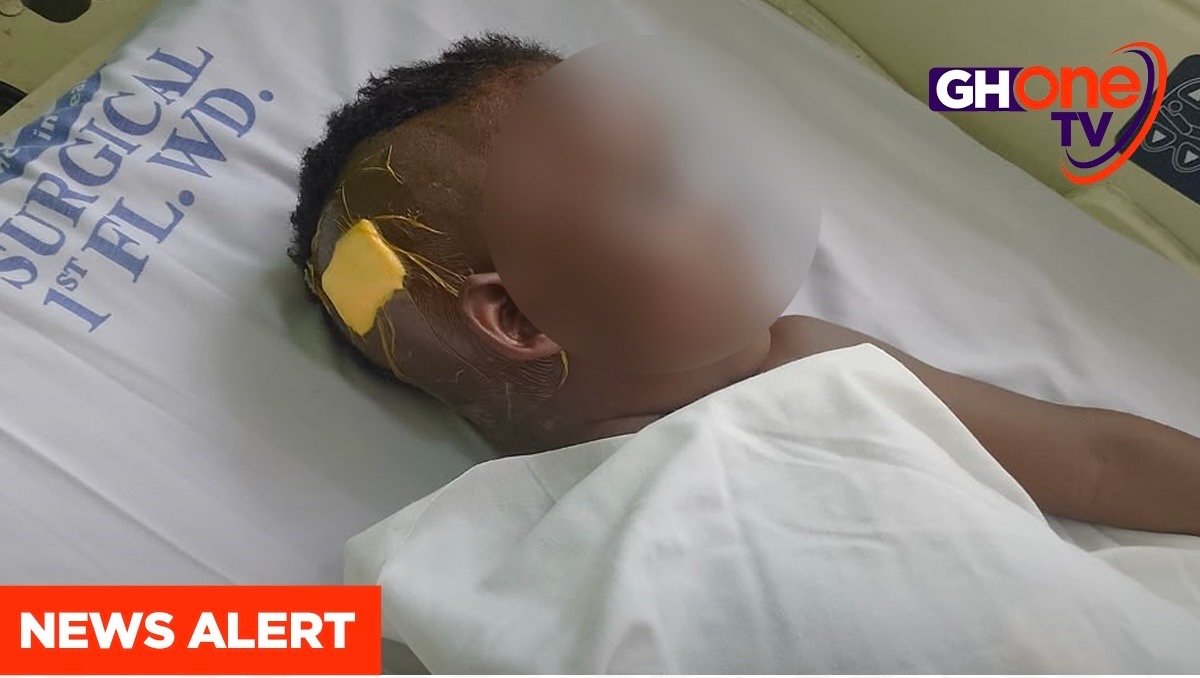
Joycelyn Amoako, a five‑year‑old from Ghana, received full payment for a crucial surgical intervention after an anonymous donor responded to a public fundraising plea. The contribution of GH¢80,000 secured the first operation aimed at relieving fluid buildup caused by a brain tumour.
Despite the successful initial procedure, the definitive craniotomy and tumour excision remain unfunded, leaving the family unable to complete the treatment plan.
Background & Context
Paediatric brain tumours, though relatively rare, represent a leading cause of neurological morbidity in Ghana. Limited diagnostic capacity and high treatment costs often force families to choose between essential expenses and medical care. Public hospitals provide subsidised services, yet complex neurosurgical operations frequently exceed budgetary allocations, creating a financing void.
Joycelyn’s case illustrates this systemic challenge. After imaging revealed a mass obstructing cerebrospinal fluid flow, physicians performed a ventriculoperitoneal shunt to manage hydrocephalus. The procedure, while life‑preserving, does not address the underlying neoplasm, which requires a specialized craniotomy and tumour resection.
Medical Challenges
The removal of a brain tumour in a child demands a multidisciplinary team, advanced imaging, and intra‑operative monitoring. In Ghana, only a handful of tertiary centres possess the requisite neurosurgical expertise, and the associated costs—operating theatre time, intensive care, and postoperative rehabilitation—can total well over GH¢200,000.
Without complete tumour excision, the risk of recurrence, neurological deficits, and mortality remains high. Early intervention is critical; delays can exacerbate intracranial pressure, impair development, and reduce survival odds.
Community Response & Philanthropy
The public appeal for Joycelyn’s surgery quickly gained traction on social media, prompting donations from individuals, faith‑based groups, and local businesses. The anonymous donor’s full payment for the GH¢80,000 procedure underscores the pivotal role of private philanthropy in bridging gaps left by public health financing.
While charitable contributions can provide immediate relief, reliance on ad‑hoc donations does not constitute a sustainable model. Experts advocate for structured health insurance schemes and dedicated funds for high‑cost paediatric interventions to mitigate dependence on unpredictable generosity.
Looking Ahead
Securing the remaining funds for Joycelyn’s craniotomy will require coordinated efforts among NGOs, governmental health agencies, and the private sector. Establishing a transparent fund for critical surgeries could streamline resource allocation and reduce the time patients spend awaiting treatment.
Long‑term, policy reforms aimed at expanding universal health coverage and investing in neurosurgical capacity are essential to ensure that children like Joycelyn receive comprehensive care without financial hardship.



0 Comments
Leave a Comment
No comments yet. Be the first to share your thoughts!