
Key Takeaways
- Apple retail employees in Italy began a coordinated strike on the launch day of the iPhone 18 Pro.
- More than 1,600 staff across 17 stores demand permanent contracts, additional hires and clearer job roles.
- Apple asserts its stores remain open and points to a benefits package, while unions cite worsening conditions.
- The dispute reflects broader challenges for tech retailers operating under European labor standards.
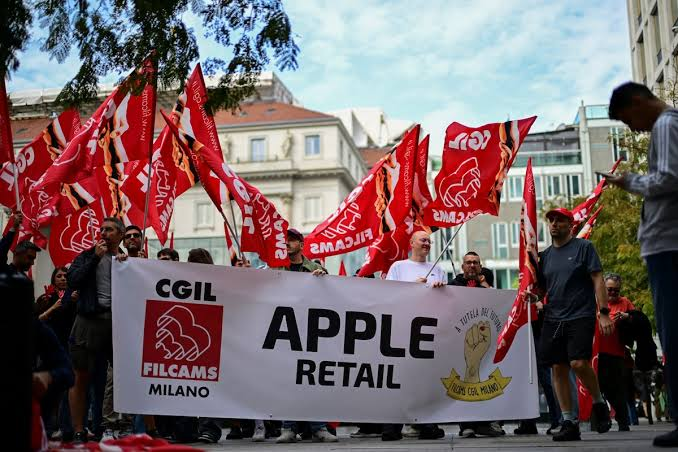
On Friday, the day Apple unveiled its iPhone 18 Pro, workers at dozens of Italian Apple stores walked off the job. The action, organized by the Filcams CGIL, Fisascat CISL and Uiltucs unions, saw pickets outside flagship locations such as Milan’s glass‑cube store, where customers queued amid whistles and red flags.
Apple’s corporate spokesperson confirmed that both physical and online outlets would stay open, emphasizing the company’s commitment to its customers and its “industry‑leading compensation and benefits” package.
Background & Context
Labor unrest in Italy’s retail sector is not new; the country’s strong union tradition often surfaces during high‑profile product launches that intensify store traffic. Previous protests at electronics chains have centered on temporary contracts and workload spikes, setting a precedent for the current Apple action.
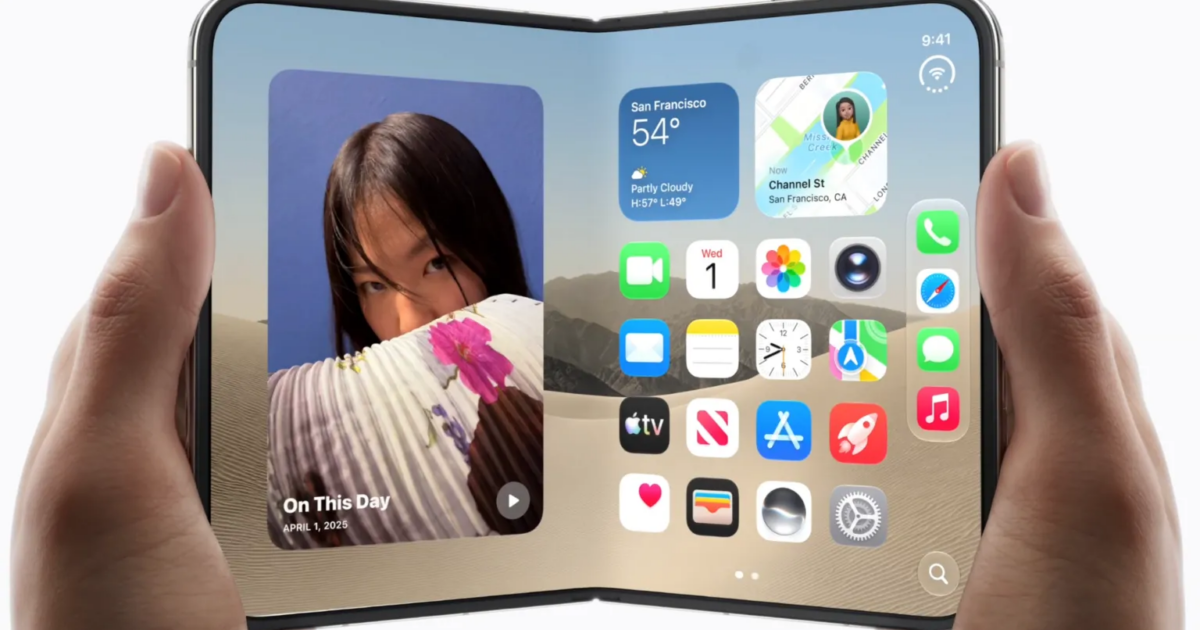
The iPhone 18 Pro launch coincided with Apple’s introduction of the Duo, its first foldable smartphone slated for an October release. Such simultaneous rollouts increase staffing demands, placing additional pressure on frontline employees who already navigate evolving product specifications and customer service expectations.
Union Demands and Company Response
Union representatives argue that job descriptions for Apple retail staff have become increasingly ambiguous, merging sales, technical support and customer‑care responsibilities without proportional staffing adjustments. Their statement calls for the hiring of more personnel, conversion of fixed‑term contracts to permanent positions, and optional longer hours for part‑time workers.
Apple counters by highlighting its private medical, dental and vision coverage, as well as mental‑health and wellness programs. The company maintains that its compensation framework aligns with industry benchmarks, though it has not disclosed any immediate changes to employment terms.
Implications for Apple and the Italian Retail Sector
The strike puts a spotlight on how global tech firms adapt to localized labor expectations. Prolonged disruptions could affect sales momentum for the iPhone 18 Pro, especially in a market where premium pricing already narrows the consumer base.
Beyond immediate revenue considerations, the episode may influence future negotiations between multinational retailers and Italian unions, potentially prompting revisions to contract structures and staffing models across the sector.
Looking Ahead
Negotiations are expected to continue throughout the week, with both sides signaling a willingness to avoid a prolonged shutdown. Observers note that a resolution could set a benchmark for how tech giants address workforce stability amid rapid product cycles.
Stakeholders will monitor the outcome for signs of broader shifts in European labor policy, particularly as other technology firms prepare similar high‑volume launches in the coming months.





0 Comments
Leave a Comment
No comments yet. Be the first to share your thoughts!