Key Takeaways
- Five criteria—longevity, commercial success, mentorship, lyricism and industry relevance—guide the ranking.
- The list separates pioneers from digital‑era artists, reflecting distinct market conditions.
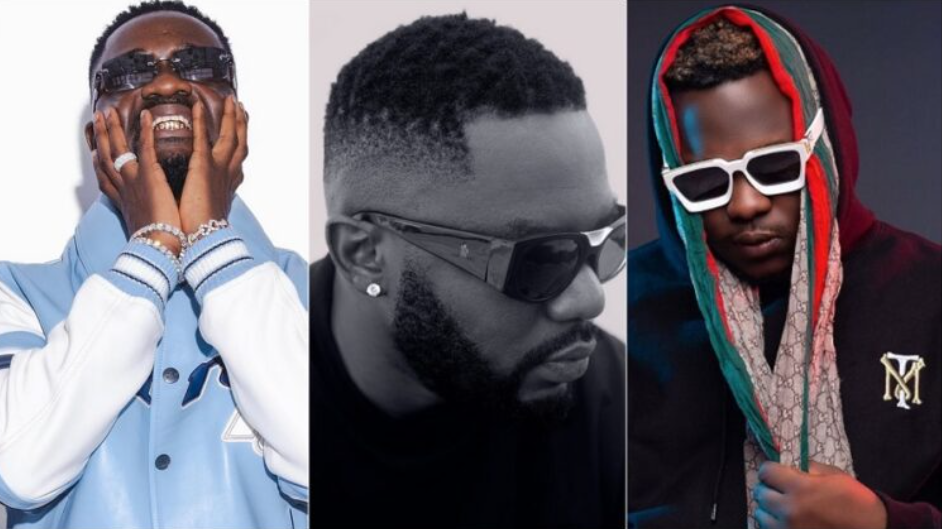
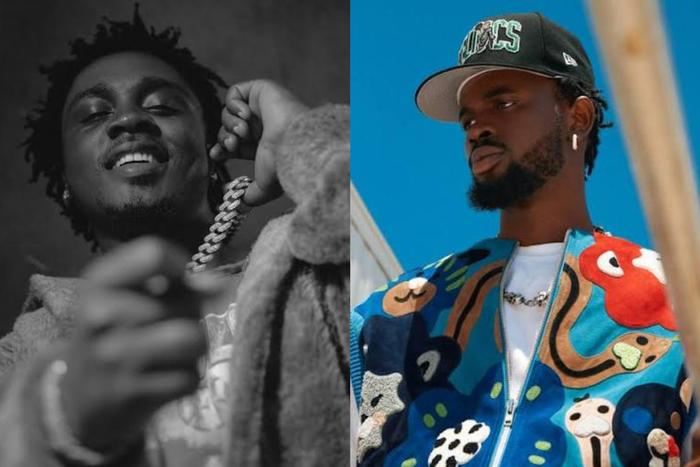
- Older generation includes Sarkodie, Omar Sterling, Okyeame Kwame, Reggie Rockstone, Obrafour and Lord Kenya.
- Younger generation highlights Medikal, Kweku Smoke, Strongman and Lyrical Joe.
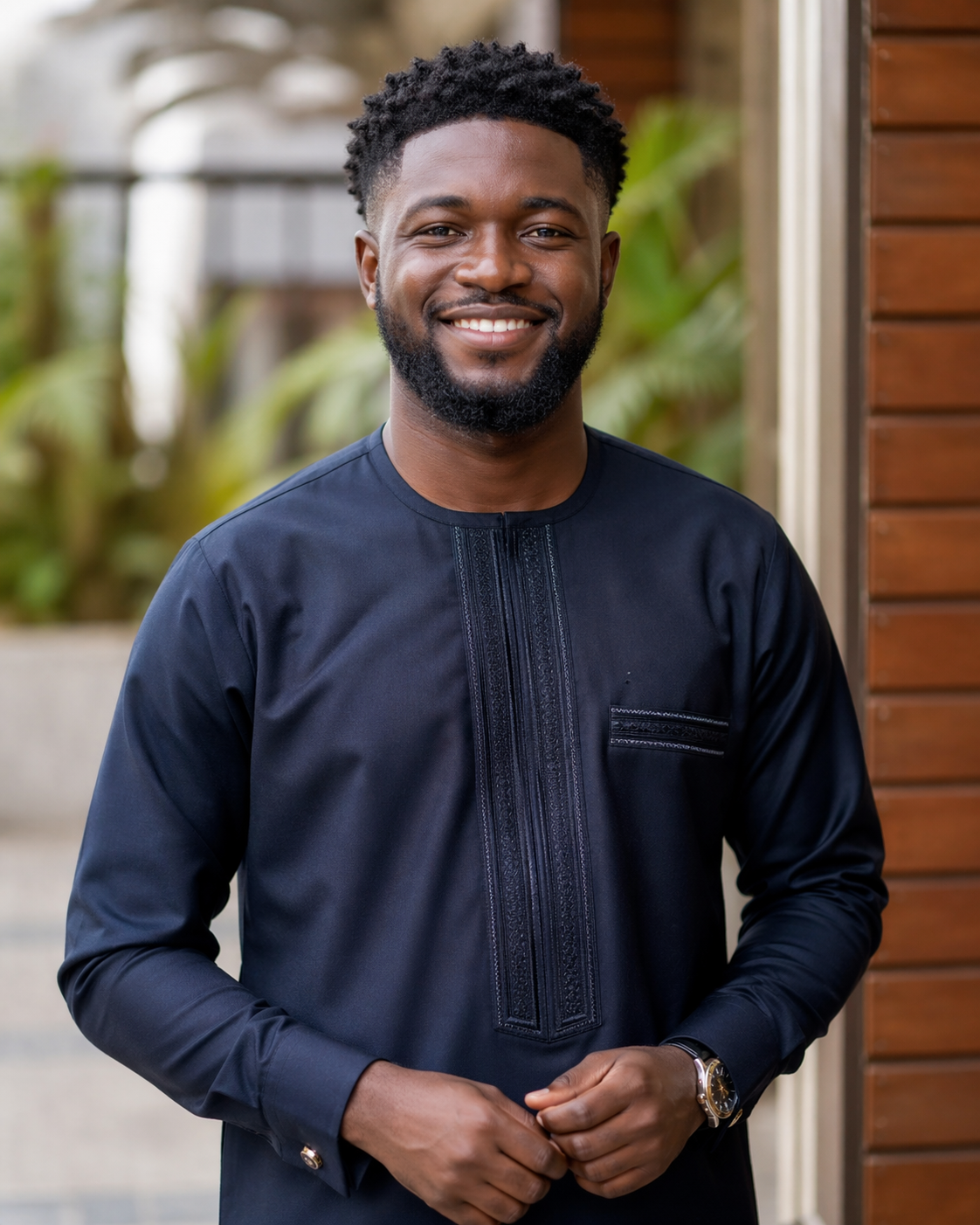
Bobby Banson, a Ghanaian lawyer and lecturer, applied a multi‑dimensional framework to identify the most influential rappers in Ghana. His approach moves beyond fan bias, anchoring the debate in measurable artistic and commercial factors.
The resulting roster juxtaposes foundational figures with contemporary performers, inviting a nuanced discussion of how rap has evolved within Ghana’s cultural and economic landscape.
Historical Foundations
Ghanaian rap emerged in the early 1990s, intertwining with hiplife—a hybrid of highlife melodies and hip‑hop beats. Early innovators such as Reggie Rockstone and Obrafour introduced indigenous languages into a genre dominated by Western idioms, establishing a template for cultural authenticity.
The subsequent decade saw the rise of artists like Okyeame Kwame, whose lyrical dexterity and storytelling expanded the genre’s thematic scope. These pioneers navigated a pre‑digital market reliant on physical sales, radio play and live performances, shaping a resilient infrastructure for future talent.
Criteria and Methodology
Banson’s framework isolates five pillars: consistency, commercial success, mentorship, lyrical skill and industry relevance. Consistency measures sustained creative output, while commercial success quantifies streams, sales and concert attendance. Mentorship assesses an artist’s role in nurturing emerging talent, a factor often overlooked in conventional rankings.
Lyrical dexterity evaluates rhyme schemes, narrative depth and linguistic innovation, essential to rap’s artistic credibility. Industry relevance captures an artist’s capacity to influence trends, shape discourse and maintain visibility across shifting media channels.
By applying these metrics uniformly, the analysis mitigates subjective bias, offering a replicable model for future assessments of artistic impact.
Generational Comparison
The older cohort—Sarkodie, Omar Sterling, Okyeame Kwame, Reggie Rockstone, Obrafour and Lord Kenya—benefited from pioneering market conditions, establishing brand equity through album cycles and extensive touring. Their influence extends into institutional mentorship, evident in collaborations with younger acts and production of breakthrough hits for newcomers.
The younger cohort—Medikal, Kweku Smoke, Strongman and Lyrical Joe—operates within a streaming‑centric ecosystem. Digital distribution, social media virality and algorithmic playlists dictate commercial viability. Their success illustrates adaptability to rapid content cycles while maintaining lyrical competence.
Both groups satisfy the criteria, yet their pathways diverge: legacy artists leverage longevity and foundational influence, whereas digital natives prioritize rapid audience engagement and cross‑platform branding.
Looking Ahead
Future assessments will need to incorporate emerging metrics such as TikTok engagement, blockchain‑based royalties and cross‑border collaborations, reflecting the increasingly globalized nature of Ghanaian rap. Artists who blend traditional Ghanaian motifs with innovative production are poised to redefine the genre’s commercial and cultural parameters.
Continued scholarly attention to mentorship networks and industry infrastructure will determine whether the next generation can sustain the artistic standards set by their predecessors.

0 Comments
Leave a Comment
No comments yet. Be the first to share your thoughts!