
Key Takeaways
- The Black Stars have become a unifying symbol across Ghana's diverse regions.
- Carlos Queiroz's tactical adjustments are elevating the team's competitive edge.
- Jordan Ayew, Kwasi Sibo, and other emerging talents are reshaping Ghanaian football.
- The World Cup platform is amplifying Ghana's reputation on the international stage.
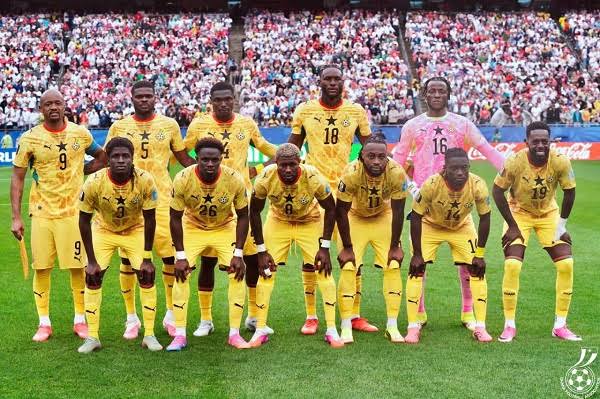
Ghana's participation in the 2026 FIFA World Cup has transcended sport, resonating as a cultural rallying point from Accra to Tamale. The national team’s presence in U.S. stadiums is mirrored by street celebrations that fuse music, dance, and collective pride.
Beyond the spectacle, the Black Stars embody a narrative of resilience that reflects decades of political change, economic challenges, and a diaspora eager to see Ghana excel on the world stage.
Historical Context and National Identity
Since their inaugural World Cup appearance in 2006, Ghanaian football has been intertwined with the country's post‑colonial identity. Each tournament has offered a stage for expressing aspirations of unity and progress, especially during periods of political tension. The 2026 edition arrives as Ghana navigates economic reforms and a youthful electorate, reinforcing the team's role as a conduit for national cohesion.
Regional celebrations—whether in the bustling markets of Kumasi or the coastal streets of Cape Coast—demonstrate how football functions as a shared language. The Black Stars' matches serve as moments when ethnic and linguistic differences recede, replaced by collective chants that echo across the nation.
Tactical Evolution Under Carlos Queiroz
Coach Carlos Queiroz has introduced a hybrid formation that blends traditional Ghanaian flair with European positional discipline. By deploying a fluid 4‑3‑3, he maximizes the pace of wingers while preserving defensive solidity. This approach contrasts with the more rigid systems of previous eras, allowing the team to adapt to varied opponents.
Queiroz’s emphasis on transitional play leverages the athleticism of players like Kwasi Sibo, whose ability to cover ground quickly creates counter‑attacking opportunities. Defensive organization, once a vulnerability, has improved through targeted set‑piece drills and video analysis, reducing goals conceded in the group stage.
Emerging Talent and Squad Depth
Jordan Ayew’s leadership extends beyond his on‑field contributions; his experience in European leagues provides a mentorship framework for younger squad members. Complementing him, forward Semenyo’s off‑the‑ball movement and striker Dede Ayew’s clinical finishing have diversified the attacking arsenal.
The inclusion of home‑grown prospects such as Kwasi Sibo signals a shift toward nurturing domestic talent. Their development pathways—often through academy programs linked to Ghanaian clubs—highlight a growing infrastructure that supports technical growth and professional exposure.
Broader Implications for Ghanaian Football
Success on the world stage is catalyzing investment in grassroots facilities and coaching education. International sponsors are increasingly viewing Ghana as a viable market, prompting partnerships that fund stadium upgrades and youth leagues. These developments promise a sustainable pipeline of talent for future competitions.
Moreover, the Black Stars’ visibility is reshaping diaspora engagement. Ghanaians abroad are organizing watch parties and charitable initiatives that channel proceeds back to local football projects, reinforcing a transnational support network.
Looking Ahead
As the tournament progresses, Ghana’s performance will influence policy discussions around sports funding and national branding. Continued advancement could solidify football as a cornerstone of Ghana’s soft power, enhancing diplomatic outreach through cultural exchange.
Future cycles will likely see a deeper integration of data analytics and sports science, building on the foundations laid by Queiroz and his staff. The trajectory set in 2026 may define a new era of competitive consistency for the Black Stars.

0 Comments
Leave a Comment
No comments yet. Be the first to share your thoughts!