
Key Takeaways
- The UK government has taken British Steel into public ownership to safeguard jobs and protect a vital national capability.
- The nationalisation aims to give the government the freedom to decide on the future of the plant and prevent its closure.
- The Scunthorpe steelworks is the UK's last remaining source of 'virgin' steel directly produced from iron ore.
- The government plans to keep the plant open until alternatives are available, citing concerns over job losses and supply chain disruption.
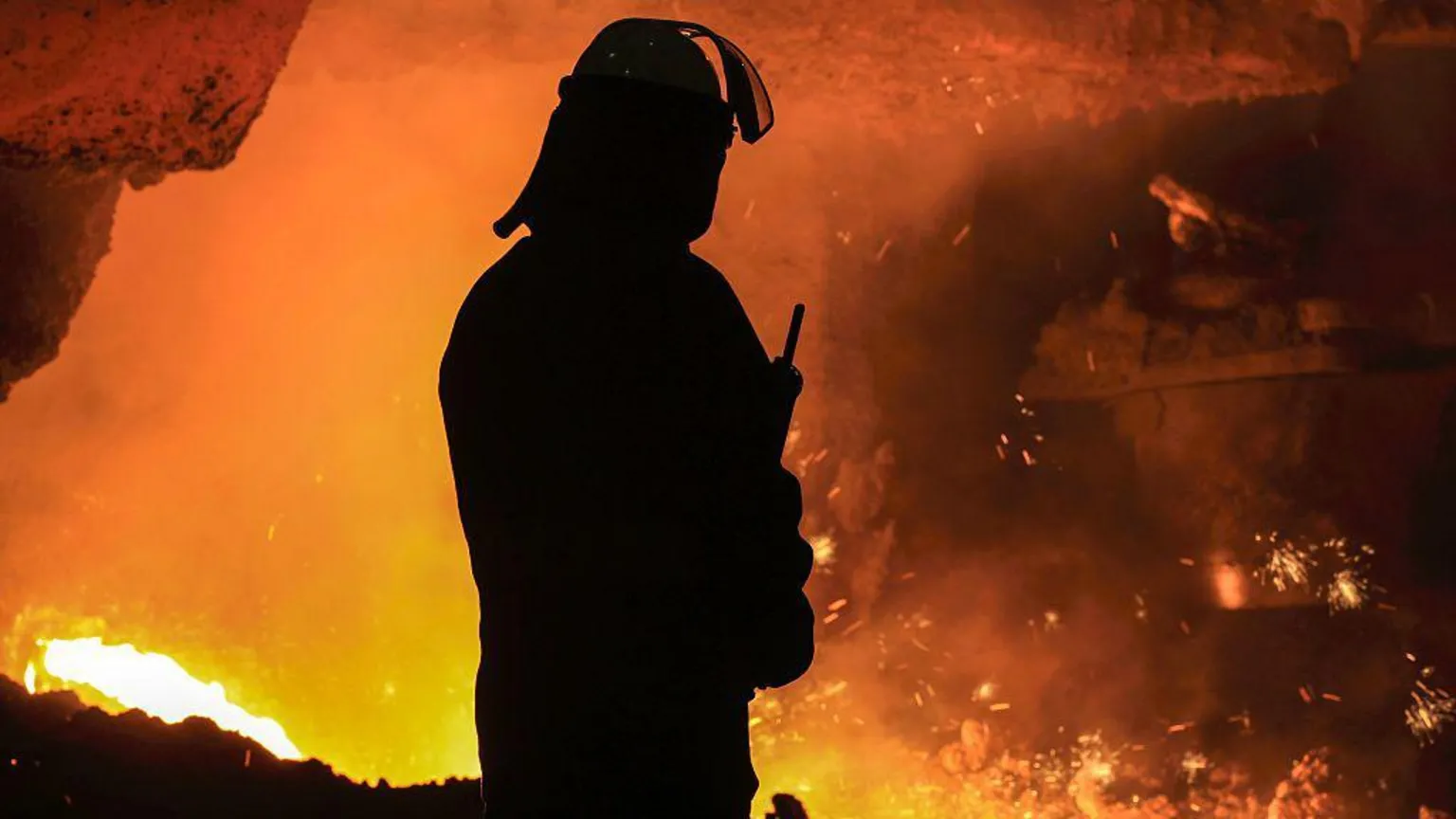
The British government has taken control of British Steel in a move aimed at protecting jobs and safeguarding a vital national capability. The nationalisation of the steelworks, which employs approximately 2,700 people in Scunthorpe, comes after years of uncertainty over the company's future.
The UK government's decision to take control of British Steel follows a period of turmoil, during which the company was owned by China's Jingye Group and was facing significant financial challenges. The government had previously taken control of the company's operations in Scunthorpe last year, but this move allows it to decide on the future strategy of the plant.
Background & Context
The British steel industry has faced significant challenges in recent years, including declining demand, increased competition from cheaper imports, and rising production costs. The Scunthorpe steelworks, which is the UK's last remaining source of 'virgin' steel directly produced from iron ore, has been particularly vulnerable to these pressures.
The plant's blast furnaces, which are designed to run continuously, require extensive work to restart if they are allowed to cool. Restarting the furnaces would have been financially prohibitive for a company that was already losing a significant amount of money. The government's decision to nationalise the plant aims to prevent its closure and preserve the UK's ability to produce virgin steel.
Key Findings
The nationalisation of British Steel has been welcomed by unions and industry experts, who argue that it gives the government the freedom to decide on the future of the plant and prevent its closure. The government's decision to keep the plant open until alternatives are available is seen as a pragmatic response to the challenges facing the industry.
The Scunthorpe steelworks is a vital part of the UK's supply chain, supporting thousands of jobs in the industry and providing materials for critical infrastructure projects such as Network Rail and the construction industry.
Broader Implications
The nationalisation of British Steel has significant implications for the UK's steel industry and its supply chain. The government's decision to keep the plant open until alternatives are available acknowledges the importance of preserving the UK's ability to produce virgin steel, which is essential for critical infrastructure projects.
The nationalisation also highlights the need for investment in the UK's steel industry to make it more competitive and sustainable. The government's long-term strategy for the industry is to transition to electric arc furnaces, which recycle scrap metal into new products and are cheaper and less carbon-intensive to run.
Looking Ahead
The nationalisation of British Steel provides a short-term solution to the challenges facing the industry, but it also highlights the need for long-term investment and planning to ensure the UK's steel industry remains competitive and sustainable. The government's decision to keep the plant open until alternatives are available is a pragmatic response to the challenges facing the industry, but it also acknowledges the importance of preserving the UK's ability to produce virgin steel.
The future of the Scunthorpe steelworks and the UK's steel industry will depend on the government's ability to invest in the industry and make it more competitive and sustainable. The nationalisation of British Steel provides a critical opportunity for the government to take a long-term view and ensure the UK's steel industry remains a vital part of the country's economy.





0 Comments
Leave a Comment
No comments yet. Be the first to share your thoughts!