
Key Takeaways
- Gomoa Central District Assembly allocated 10% of its 2025 Common Fund to health infrastructure.
- Two health centres in Gomoa Ekwamkrom and Gomoa Aseibu were expanded under the fund.
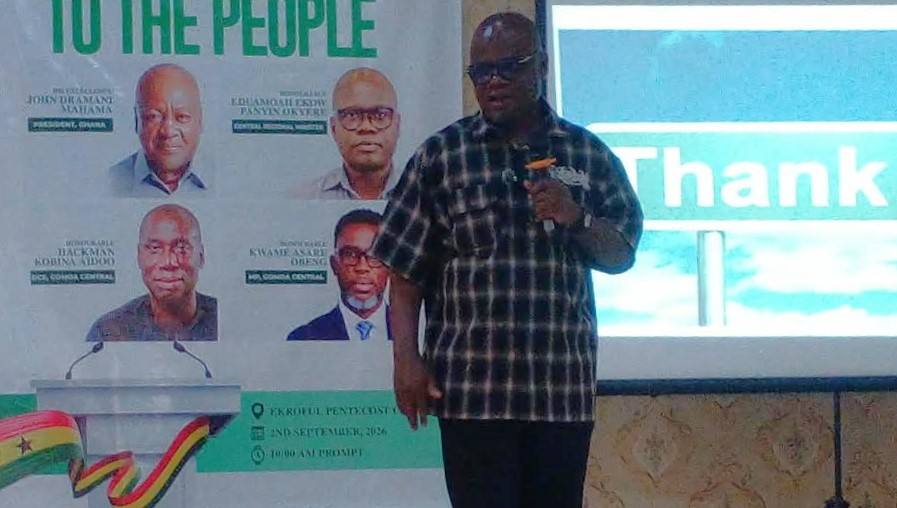
- Regional Minister Ekow Panyin Okyere Eduamoah highlighted compliance with fund guidelines.
- Funds for 2026 quarters have been released to support broader development projects.
Gomoa Central District Assembly has demonstrated measurable progress in deploying its share of the national Common Fund, focusing on health service expansion and essential infrastructure. The initiative aligns with Ghana’s broader decentralisation agenda aimed at improving service delivery at the local level.
Regional Minister Ekow Panyin Okyere Eduamoah praised the assembly’s adherence to fiscal protocols and its capacity to translate allocations into tangible outcomes. The statement follows the release of first‑ and second‑quarter 2026 disbursements to Metropolitan, Municipal and District Assemblies across the country.
Background & Context
The Common Fund, established under Ghana’s Local Governance Act, channels a fixed percentage of national revenue to Metropolitan, Municipal and District Assemblies (MMDAs). Its purpose is to equalise development opportunities and empower local authorities to address priority needs in health, education, water, and road networks.
In the 2025 fiscal cycle, Gomoa Central received its entitlement and earmarked a portion for health infrastructure, reflecting a strategic shift toward strengthening primary care in rural districts. Historical under‑investment in the region has contributed to disparities in health outcomes, making the recent projects particularly salient.
Project Implementation and Impact
The district assembly allocated ten percent of its 2025 Common Fund to expand two health facilities: Gomoa Ekwamkrom Clinic and Gomoa Aseibu Health Centre. Construction included additional consultation rooms, maternity wards, and upgraded medical equipment, thereby increasing service capacity by an estimated 30 percent.
Independent health analysts estimate that improved facility capacity can reduce patient travel time to tertiary hospitals by up to 45 minutes, a critical factor in emergency care outcomes. The projects also generated short‑term employment for local contractors, contributing to the district’s economic activity.
Beyond health, the upcoming 2026 disbursements are earmarked for road rehabilitation, borehole drilling, and school refurbishment, suggesting a multi‑sectoral approach to development.
Broader Implications
Effective utilization of the Common Fund in Gomoa Central serves as a benchmark for other districts navigating fiscal constraints and accountability pressures. It underscores the importance of transparent budgeting and community engagement in project selection.
Policy experts note that sustained success hinges on capacity building within MMDAs, including financial management training and robust monitoring mechanisms. The Ghanaian government’s continued emphasis on decentralisation may amplify such successes if complemented by technical support.
Looking Ahead
The 2026 quarters’ allocations will test the assembly’s ability to maintain momentum across sectors. Ongoing oversight by the Central Regional Ministry is expected to ensure that new projects meet the same standards of compliance and impact.
Long‑term, the cumulative effect of targeted health infrastructure and ancillary services could contribute to measurable improvements in district‑level health indicators, aligning with national objectives for universal health coverage.



0 Comments
Leave a Comment
No comments yet. Be the first to share your thoughts!