

Key Takeaways
- COPEC executive secretary argues night‑time commerce requires security and lighting before new market builds.
- He warns that cultural habits and safety concerns could render costly infrastructure ineffective.
- Suggested measures include police patrols, street illumination and price incentives for off‑peak sales.
- Policy shift toward an enabling environment could unlock growth for salons, pharmacies and small retailers after dark.
Duncan Amoah, executive secretary of the Chamber of Petroleum Consumers, challenged the government’s current emphasis on constructing markets as the primary vehicle for a 24‑hour economy. He contended that public spending should prioritize the conditions that make night‑time trade viable, rather than the physical edifices themselves.
The critique highlights a broader tension between infrastructure‑centric development models and the practical realities of security, cultural routines and consumer confidence in Ghana’s urban and rural communities.
Policy Context
The 24‑hour economy initiative aims to extend commercial activity beyond traditional daylight hours, promising increased revenue and job creation. Official statements have focused on building modern market complexes in underserved areas as a visible sign of progress. Such projects are often funded through state budgets and presented as milestones in national development plans.
Critics argue that without parallel investments in safety and public services, these structures risk becoming underutilized. The policy debate therefore centers on whether capital allocation should first address systemic barriers that deter nighttime patronage.
Challenges to Night‑time Commerce
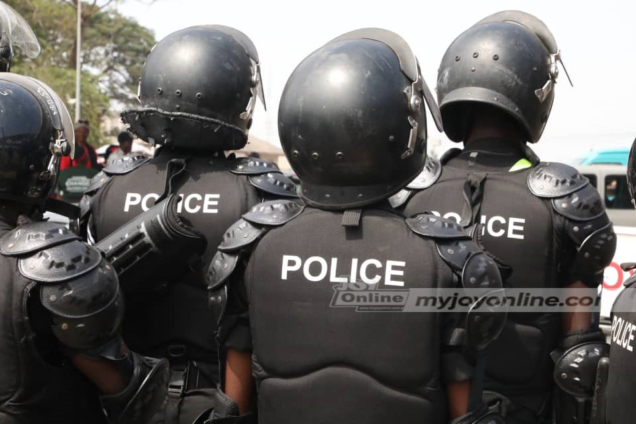
Security concerns dominate public perception of after‑dark activity. Reports of robbery and inadequate police visibility discourage both consumers and entrepreneurs from extending operating hours. Street lighting deficits compound the problem, creating environments where risk is perceived to outweigh potential earnings.
Cultural patterns also influence demand. In many Ghanaian locales, daily routines conclude early, with communities accustomed to a six‑pm curfew for informal gatherings. Introducing a market that operates when the majority is already at home may generate empty stalls and sunk costs.
Strategic Recommendations
Amoah proposes a multi‑pronged approach: augment police patrols during evening hours, install reliable streetlights along commercial corridors, and offer fiscal incentives for businesses that adjust pricing to attract night shoppers. Such measures would lower the perceived risk and increase the economic appeal of extended hours.
Targeted incentives could include tax credits for retailers that remain open past sunset or subsidies for energy costs associated with lighting. By aligning financial rewards with behavioral change, policymakers can stimulate demand without the need for immediate large‑scale construction.
Outlook
Reorienting the 24‑hour economy strategy toward an enabling environment may deliver quicker returns on investment and avoid the pitfalls of underused infrastructure. Successful implementation would require coordination between municipal authorities, law enforcement agencies and private sector stakeholders.
If the government adopts these recommendations, the night‑time market could evolve from a symbolic project into a sustainable component of Ghana’s broader economic landscape.



0 Comments
Leave a Comment
No comments yet. Be the first to share your thoughts!