
Key Takeaways
- Deputy Education Minister Clement Apaak criticised the delayed response to a sexual assault allegation involving a 14‑year‑old student with special needs at Bolgatanga Girls’ Senior High School.
- The school reduced a dismissal sanction to deboarding, citing the pupil’s medical condition, a decision the ministry says conflicts with inclusive‑education policy.
- The ministry has ordered an investigation and reaffirmed its commitment to protect students with disabilities.
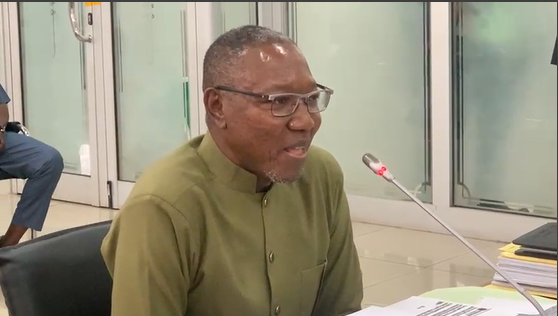
Deputy Education Minister Dr Clement Apaak publicly rebuked the handling of an alleged sexual assault case at Bolgatanga Girls’ Senior High School. The incident involves a 14‑year‑old student with special needs who reportedly faced abuse by two security personnel.
According to statements made on Citi FM, the school’s disciplinary process shifted from a standard dismissal to a lesser penalty described as “deboarding,” allegedly because of the victim’s medical condition. The minister argued that the adjustment undermines Ghana’s inclusive‑education agenda.
Background & Context
Ghana’s Education Act of 2008 mandates equal access and protection for learners with disabilities. Over the past decade, the government has introduced policies to integrate special‑needs students into mainstream schools, aiming to reduce segregation.
Incidents of sexual violence in educational settings have prompted periodic reviews of safeguarding protocols. However, enforcement gaps persist, especially in remote regions where resource constraints limit monitoring.
Government Response
Dr Apaak asserted that the school’s headmistress, the Municipal Director of Education, and the Regional Director failed to act promptly after the initial report. He emphasized that waiting for media attention contradicts the ministry’s duty to intervene.
The Education Minister, Haruna Iddrisu, has tasked the deputy minister with a formal inquiry. The ministry plans to coordinate with local authorities to reconstruct the timeline of complaints, disciplinary decisions, and parental communications.
Implications for Inclusive Education
The case tests the practical application of inclusive‑education principles. Using a student’s disability as a mitigating factor in disciplinary matters risks creating a precedent where protection is compromised.
Legal scholars note that Ghana’s Children’s Act and the Domestic Violence Act provide mechanisms for victim support, yet implementation relies on institutional willingness. The ministry’s stance may prompt revisions to school‑level policies, ensuring that disability status does not dilute accountability.
Looking Ahead
The upcoming investigation will likely shape future guidelines for handling assault allegations involving vulnerable students. Recommendations may include mandatory training for school staff on trauma‑informed care and clearer reporting channels.
Stakeholders anticipate that reinforced oversight could strengthen public confidence in Ghana’s education system and affirm the government’s commitment to safeguarding all learners.





0 Comments
Leave a Comment
No comments yet. Be the first to share your thoughts!