
Key Takeaways
- Dr Kwabena Donkor's lawyer says he is unsure whether his client has been contacted by Ghana's Office of the Special Prosecutor (OSP) or US authorities.
- The OSP has provided investigative and evidentiary assistance to the US Federal Bureau of Investigation (FBI) through Ghana's mutual legal assistance framework.
- Dr Donkor has denied any involvement in the alleged bribery scheme, claiming he never met the former TOR Managing Director, Asante Kwaku Berko.
Ghana's Office of the Special Prosecutor (OSP) has confirmed its involvement in the US investigation that led to the conviction of former Tema Oil Refinery (TOR) Managing Director, Asante Kwaku Berko. The OSP provided investigative and evidentiary assistance to the US Federal Bureau of Investigation (FBI) through Ghana's mutual legal assistance framework.
The US federal jury convicted Berko on charges linked to a scheme in which more than US$1 million in bribes were paid to Ghanaian officials in connection with the development and financing of a power plant involving Aksa Energy. The disclosure of the OSP's role has heightened interest in whether evidence gathered during the US investigation could lead to further action against individuals in Ghana.
Background & Context
The bribery scheme involved the payment of over US$1 million in bribes to Ghanaian officials in connection with the development and financing of a power plant involving Aksa Energy. The case highlights the need for strict adherence to anti-corruption laws and the importance of transparency in government dealings.
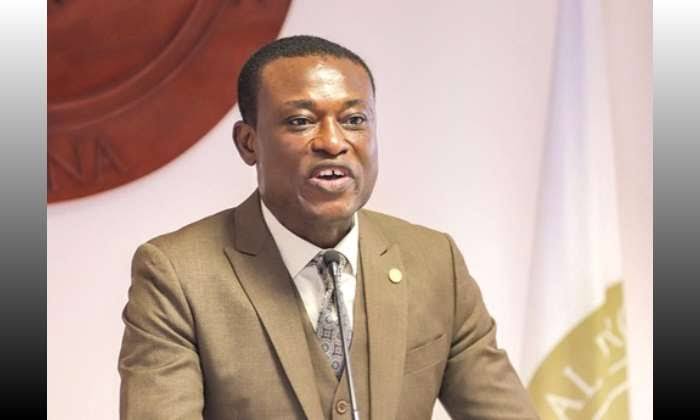
Dr Kwabena Donkor, who was Power Minister during the period of the transaction, has denied any involvement in the alleged bribery scheme. His lawyer has maintained that the former minister never met Berko, never negotiated with him and never demanded or received money from him in connection with the deal.
Key Findings
The OSP's involvement in the US investigation has shed light on the extent of Ghana's cooperation with international authorities in combating corruption. The mutual legal assistance framework has facilitated the exchange of information and evidence between Ghana and the US, paving the way for further action against individuals involved in the bribery scheme.
The Economic and Organised Crime Office (EOCO) has intensified its investigation into the Ghanaian dimension of the case, with asset tracing and recovery forming part of its investigative plan. The Attorney-General has also directed EOCO to escalate its investigations as relevant information and official records are obtained from US authorities.
Broader Implications
The bribery scheme has far-reaching implications for Ghana's energy sector, highlighting the need for robust anti-corruption measures and transparent governance practices. The OSP's involvement in the US investigation demonstrates Ghana's commitment to combating corruption and promoting good governance.
The case also underscores the importance of international cooperation in combating corruption, particularly in the energy sector. Ghana's cooperation with international authorities has facilitated the exchange of information and evidence, paving the way for further action against individuals involved in the bribery scheme.
Looking Ahead
The OSP's continued involvement in the investigation and EOCO's intensified probe into the Ghanaian dimension of the case will likely lead to further action against individuals involved in the bribery scheme. The Attorney-General's directive to EOCO to escalate its investigations ensures that relevant information and official records are obtained from US authorities.
The case serves as a reminder of the need for strict adherence to anti-corruption laws and the importance of transparency in government dealings. Ghana's continued commitment to combating corruption and promoting good governance will likely have a positive impact on the country's energy sector and economy as a whole.




0 Comments
Leave a Comment
No comments yet. Be the first to share your thoughts!