
Key Takeaways
- ECG will commence emergency maintenance on Aug 23, affecting Accra (East & West), Ashanti, Tema and Eastern regions.
- Outages are planned to last up to seven days, with rolling cuts to manage load.
- Maintenance targets aging transmission assets that have caused recent fault‑induced blackouts.
- Authorities advise households and businesses to prepare for reduced supply and consider backup solutions.
The Electricity Company of Ghana announced a series of emergency maintenance operations beginning on 23 August. The schedule covers residential and commercial customers in the eastern and western districts of Accra, the Ashanti Region, the port city of Tema and the Eastern Region.
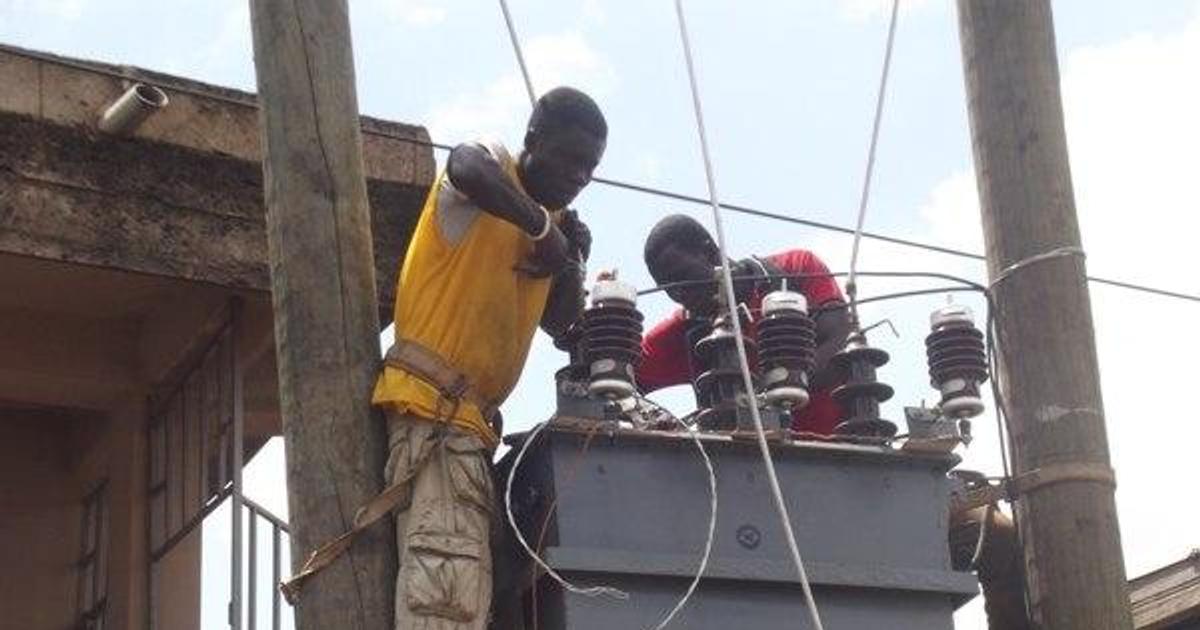
Repeated faults in the national grid over the past weeks have prompted the utility to intervene before the system reaches critical stress. Engineers attribute the disruptions to deteriorating transformers and overloaded distribution lines that require immediate refurbishment.
Background & Context
Ghana’s power sector has experienced intermittent supply challenges since the 2015 energy crisis, when insufficient generation capacity forced nationwide load‑shedding. Although recent investments have expanded generation, the distribution network has lagged, creating bottlenecks in densely populated urban corridors.
Accra’s rapid urbanisation has intensified demand on aging infrastructure. Historical under‑investment in transmission upgrades leaves key substations vulnerable to overload, a pattern evident in the faults that triggered the current outage plan.
Technical Scope of the Maintenance
ECG’s maintenance blueprint focuses on replacing aging transformers, re‑tensioning high‑voltage lines, and installing protective relays that isolate faults more efficiently. The work will be executed in phases, allowing limited supply to continue in unaffected sectors.
Field crews will also conduct thermal imaging surveys to identify hot spots, a preventive measure that aligns with international best practices for grid reliability. The seven‑day window provides sufficient time to test new equipment and verify system stability before full restoration.
Implications for Consumers and the Economy
Scheduled outages are expected to affect small‑scale enterprises that rely on continuous electricity for production and refrigeration. Anticipated revenue losses underscore the importance of backup generators, though fuel cost volatility may strain operating margins.
Households in the affected zones may face inconvenience, particularly during peak evening hours. Public health facilities have been exempted from cuts, but peripheral clinics could experience reduced lighting, prompting contingency planning by health authorities.
Looking Ahead
Successful completion of the maintenance window could extend the grid’s operational lifespan by several years, reducing the likelihood of unscheduled blackouts. Long‑term resilience will depend on coordinated investment in both generation and distribution assets.
Regulatory bodies have signaled intent to review the utility’s capital allocation framework, aiming to accelerate modernization across the national grid. Stakeholders will monitor post‑maintenance performance metrics to assess whether the emergency works translate into measurable service improvements.





0 Comments
Leave a Comment
No comments yet. Be the first to share your thoughts!