
Key Takeaways
- Climate resilience is being integrated into infrastructure development, urban planning, and investment strategies across Europe.
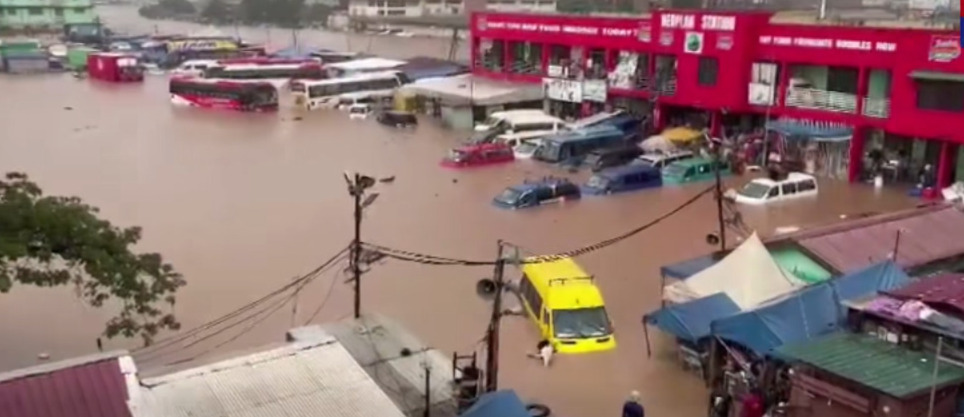
- The European Environment Agency reports an increase in climate-related risks, including more frequent and severe floods, droughts, heatwaves, and other extreme weather events.
- Effective climate resilience measures are crucial for reducing risks, strengthening long-term economic stability, and promoting sustainable economic development.
The importance of integrating climate resilience into public policy, infrastructure planning, and investment decisions has become increasingly evident in the face of evolving climate impacts. As global temperatures continue to rise, countries across Europe are taking proactive steps to reduce their vulnerability to climate-related risks and promote sustainable economic development.
Climate resilience refers to the ability of communities, infrastructure, and economies to withstand, adapt to, and recover from the impacts of climate-related disasters. Effective climate resilience measures are crucial for reducing risks, strengthening long-term economic stability, and promoting sustainable economic development. By integrating climate resilience into infrastructure development, urban planning, and investment strategies, European countries are positioning themselves for long-term competitiveness and economic growth.
Background & Context
The European Environment Agency (EEA) has reported a significant increase in climate-related risks across Europe, with more frequent and severe floods, droughts, heatwaves, and other extreme weather events affecting infrastructure, public health, and economic activity. These climate-related risks pose significant challenges to European countries, with potentially devastating consequences for their economies, communities, and environments.
The EEA's findings highlight the need for effective climate resilience measures to mitigate these risks and promote sustainable economic development. By investing in climate-resilient infrastructure, urban planning, and investment strategies, European countries can reduce their vulnerability to climate-related risks and create a foundation for long-term economic stability and growth.
Key Findings
The European Environment Agency's report highlights several key findings on the impact of climate-related risks on European countries. These include:
More frequent and severe floods, droughts, heatwaves, and other extreme weather events are increasing in frequency and severity across Europe.
Climate-related risks are affecting infrastructure, public health, and economic activity, with potentially devastating consequences for European countries.
Effective climate resilience measures are crucial for reducing risks, strengthening long-term economic stability, and promoting sustainable economic development.
Broader Implications
The integration of climate resilience into infrastructure development, urban planning, and investment strategies has broader implications for European countries. By reducing their vulnerability to climate-related risks, European countries can create a foundation for long-term economic stability and growth. This, in turn, can promote sustainable economic development, reduce poverty and inequality, and improve the overall well-being of their citizens.
The European Union's (EU) climate resilience efforts can serve as a model for other regions and countries around the world. By sharing best practices, technologies, and expertise, European countries can help other regions develop their own climate resilience strategies and reduce their vulnerability to climate-related risks.
Looking Ahead
As climate impacts continue to evolve, it is essential for European countries to remain committed to climate resilience efforts. By continuing to invest in climate-resilient infrastructure, urban planning, and investment strategies, European countries can ensure their long-term competitiveness and economic growth.
The European Environment Agency's report highlights the need for continued collaboration and coordination among European countries to address the challenges posed by climate-related risks. By working together, European countries can develop effective climate resilience strategies and promote sustainable economic development for the benefit of all their citizens.






0 Comments
Leave a Comment
No comments yet. Be the first to share your thoughts!