

Key Takeaways
- After the 2012 election loss, the former lawmaker faced immediate financial hardship.
- The episode highlights systemic vulnerabilities for public officials in Ghana.
- Economic strain following electoral defeat can affect personal security and community perception.
- Experts warn that inadequate post‑election support may erode democratic confidence.
In the early hours following her defeat in the 2012 parliamentary contest, the former representative described waking to an empty doorstep and an empty prepaid balance, a stark illustration of the sudden fiscal void that can accompany political loss.
Her account, given in a recent interview, underscores how electoral outcomes intersect with personal livelihoods, especially for office‑holders whose income streams are tied to public office.
Background & Context
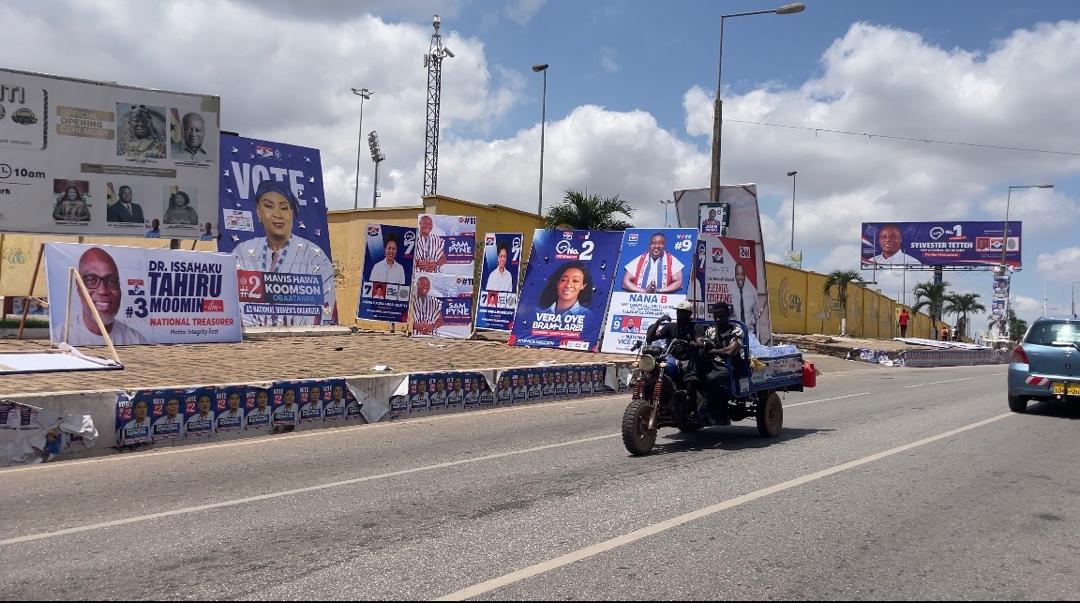
The 2012 general election in Ghana marked a competitive shift, with several incumbents unseated amid a climate of economic uncertainty. While the national budget addressed macro‑level concerns, individual legislators often relied on constituency allowances and personal networks to sustain household expenses.
Women in Ghanaian politics frequently confront additional financial pressures, balancing campaign costs with limited access to private sector sponsorship. The subject’s experience reflects a broader pattern where defeat translates into an abrupt cessation of state‑linked resources.
Immediate Consequences
Deprived of prepaid credit for basic communication, the former MP could not maintain contact with constituents or arrange essential services. The absence of visitors at her gate symbolized both a loss of political patronage and a tangible decline in personal security.
Such abrupt transitions can exacerbate stress, undermine public trust, and create a feedback loop where former officials become marginalized, limiting their ability to contribute constructively to civic discourse.
Broader Implications
Analysts note that the lack of a structured safety net for outgoing public servants may deter qualified candidates from seeking office, fearing financial instability after tenure. Institutional reforms that guarantee a modest post‑term stipend could mitigate these risks.
Furthermore, the episode raises questions about the ethical management of constituency funds, prompting calls for transparent accounting mechanisms that protect both officials and the communities they serve.
Looking Ahead
Policy proposals emerging from civil‑society groups suggest a phased compensation model, ensuring that former legislators retain basic utilities for a defined period after leaving office. Adoption of such measures could reinforce democratic resilience.
Continued monitoring of post‑election welfare will be essential to safeguard the integrity of Ghana’s parliamentary system and to assure that public service remains an attainable career path.




0 Comments
Leave a Comment
No comments yet. Be the first to share your thoughts!