
Key Takeaways
- President John Mahama warned that match‑fixing and poor refereeing are undermining Ghana football.
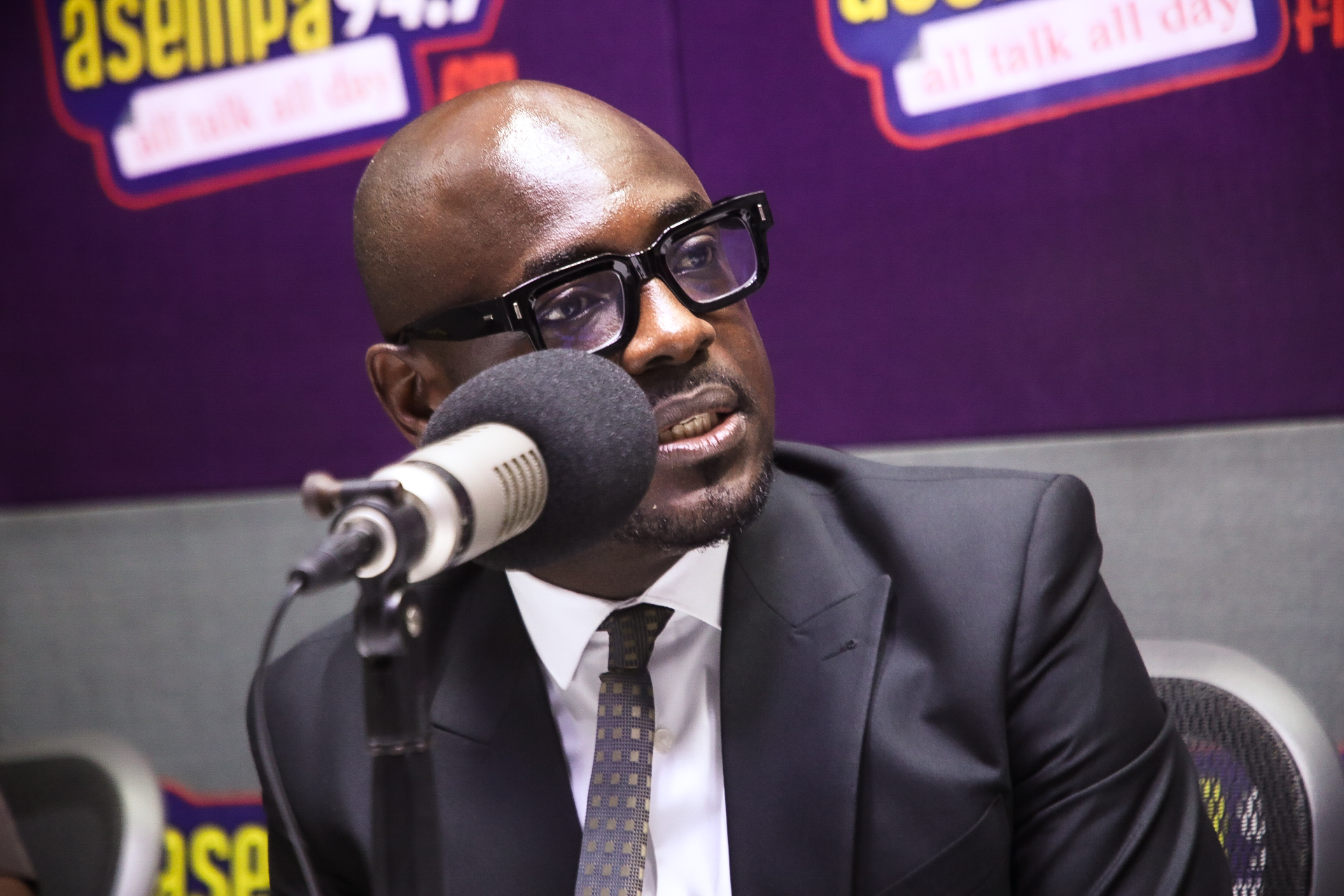
- GFA Director of Communication Henry Asante Twum praised the President’s engagement but said no single body can eradicate match‑fixing alone.
- The Ghana Football Association has invested five‑to‑six years in reforms, yet systemic challenges persist.
- Experts suggest coordinated action among clubs, officials, and law‑enforcement is essential for lasting change.
President John Mahama’s recent remarks on Luv FM highlighted a growing frustration with perceived manipulation of match outcomes and sub‑standard officiating in the Ghana Premier League. His comments have reignited a public debate that has simmered since several high‑profile scandals surfaced in recent seasons.
In response, Henry Asante Twum, the Ghana Football Association’s Director of Communication, acknowledged the President’s concerns while cautioning that eliminating match‑fixing exceeds the capacity of any single federation. The exchange underscores the tension between political oversight and sporting autonomy.
Background & Context
Match‑fixing has been a recurring menace in African football, with investigations in Kenya, Nigeria and South Africa revealing betting syndicates that exploit vulnerable players and officials. Ghana’s own history includes the 2018 investigative report that linked certain league fixtures to irregular betting patterns, prompting calls for stricter governance.
Refereeing standards have also attracted criticism, as inconsistent decisions often sway match results. International bodies such as FIFA have introduced referee development programs, yet implementation gaps remain at the domestic level, feeding public distrust.
FA Response and Challenges
Twum emphasized that the Ghana Football Association has undertaken a series of reforms over the past half‑decade, including the introduction of a referee mentorship scheme, enhanced disciplinary protocols, and partnerships with betting monitoring firms. Despite these measures, he noted that “in a human institution, there are always challenges,” reflecting the complex nature of institutional change.
The director reiterated that no football association worldwide can single‑handedly eradicate match‑fixing, pointing to collaborative models in Europe where leagues, clubs, and law‑enforcement agencies share intelligence. He framed the President’s involvement as a positive sign of political will, yet warned that sustainable solutions require a multi‑stakeholder framework.
Broader Implications for Ghana Football
If unchecked, match‑fixing threatens the commercial viability of the Ghana Premier League, deterring sponsors and diminishing fan engagement. Moreover, the integrity of national team selections could be compromised, affecting Ghana’s performance on continental and global stages.
The dialogue also raises questions about governance structures within the GFA. Transparency International’s recent report on sport governance recommends independent oversight committees and whistle‑blower protections—tools that could reinforce the association’s anti‑corruption arsenal.
Looking Ahead
Stakeholders are calling for a coordinated task force that includes the Ministry of Youth and Sports, the Ghana Police Service, betting regulators, and club representatives. Such a body could standardize reporting mechanisms, conduct regular audits, and launch educational campaigns targeting players and officials.
While President Mahama’s intervention has amplified public scrutiny, the path to restoring confidence will hinge on the GFA’s ability to translate rhetoric into actionable, transparent reforms that align with global best practices.


0 Comments
Leave a Comment
No comments yet. Be the first to share your thoughts!