
Key Takeaways
- GES urged to embed sustainability in secondary education reforms.
- Catholic Schools manager stresses ownership by teachers, students and officials.
- Boakye Tromo SHS headmaster highlights poor internet as a barrier to digital initiatives.
- Stakeholders demand policy continuity and infrastructure investment.
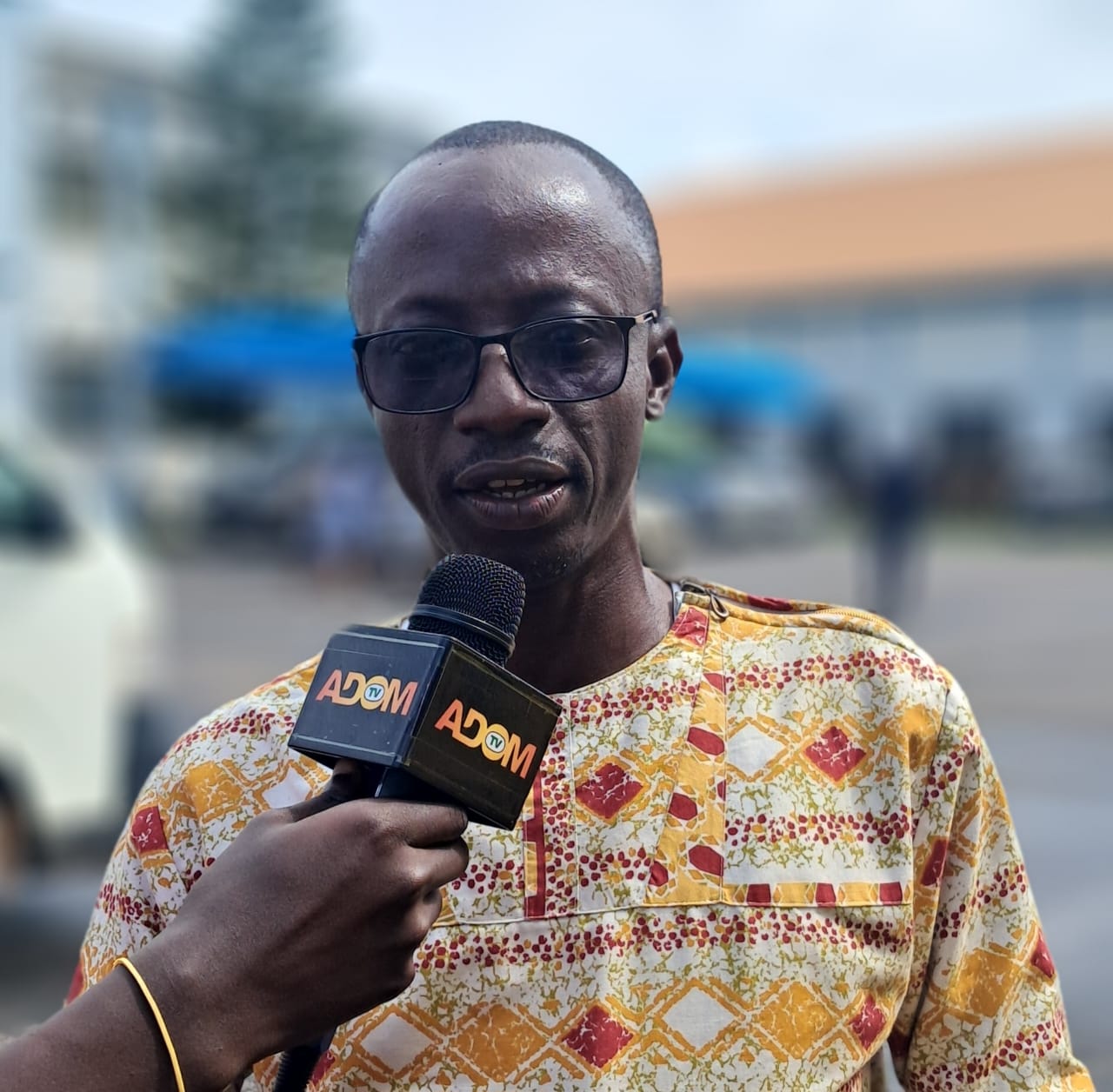
The Manager of Catholic Schools in the Ahafo Region, Boakye Baafi Williams, addressed a forum on the Secondary Education Reforms Programme in Acherensua, urging the Ghana Education Service to place lasting impact at the centre of its agenda.
Williams warned that reforms risk fading without collective responsibility from educators, learners and administrators, while Boakye Tromo Senior High Technical School’s headmaster, Kwarteng Benjamin, pinpointed inadequate internet connectivity as a critical obstacle to technology‑driven teaching.
Ownership and Policy Continuity
Williams emphasized that financial inputs alone cannot guarantee reform success. He called for a culture of ownership where teachers integrate new curricula into daily practice and students actively engage with revised assessment methods.
He also cautioned that frequent policy shifts erode confidence among stakeholders, making it harder to translate short‑term gains into enduring improvements.
Infrastructure Gaps and Digital Learning
Benjamin described unreliable internet as a daily hindrance for both teachers and pupils attempting to use digital resources mandated by recent reforms.
The headmaster appealed for accelerated government investment in broadband infrastructure, noting that without stable connectivity, initiatives such as e‑learning platforms and virtual labs cannot achieve their intended reach.
Implications for Ghana’s Education Trajectory
Combined, the calls for sustained commitment and upgraded connectivity signal a broader challenge: aligning policy ambition with on‑the‑ground capacity. Experts suggest that without these supports, Ghana may struggle to meet its goals for inclusive, technology‑enabled secondary education.
Policymakers are therefore urged to balance reform design with realistic implementation timelines and resource allocation, ensuring that reforms become embedded rather than episodic.
Looking Ahead
Stakeholders anticipate that the GES will integrate sustainability metrics into its monitoring framework and prioritize broadband projects in rural schools. Continued dialogue among educators, administrators and government officials will be essential to translate reform rhetoric into measurable outcomes.
Future assessments will likely focus on the degree to which schools can maintain reform gains despite fiscal pressures and evolving policy landscapes.





0 Comments
Leave a Comment
No comments yet. Be the first to share your thoughts!