
Key Takeaways
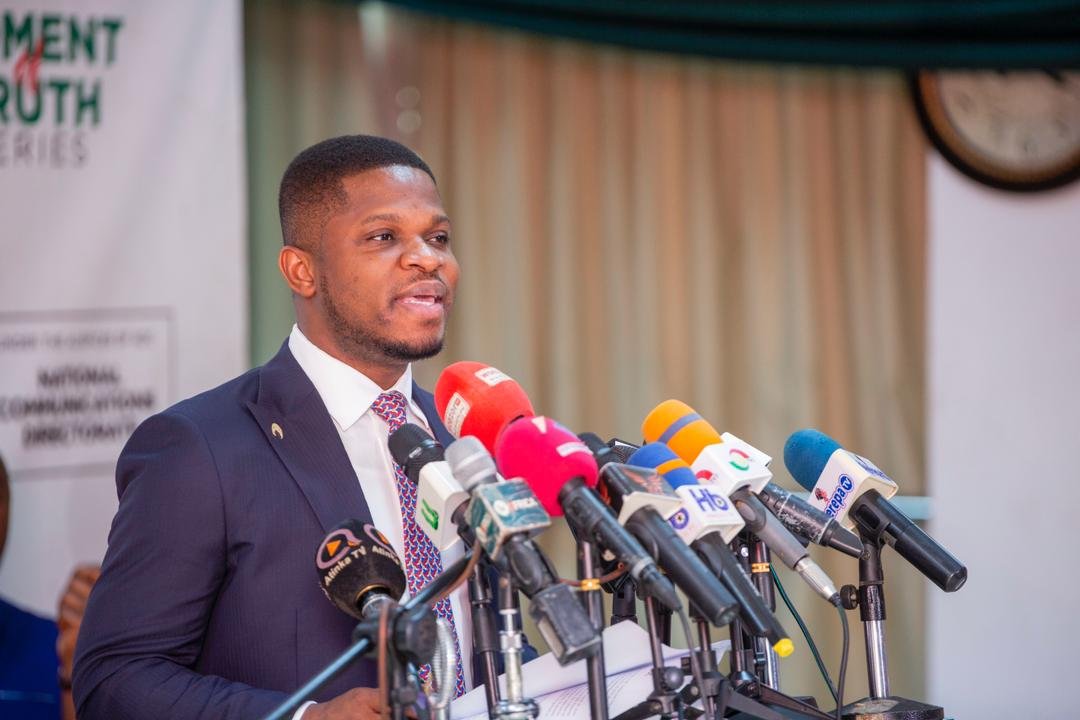
- CEO Sammy Gyamfi labeled the minority’s accusations as a deliberate smear campaign.
- Audited financial statements of GoldBod show no evidence of the alleged irregularities.
- The dispute follows a press conference on Aug 18 where Minority Leader Alexander Afenyo‑Markin questioned the board’s performance.
- The controversy may affect investor confidence in Ghana’s gold sector.
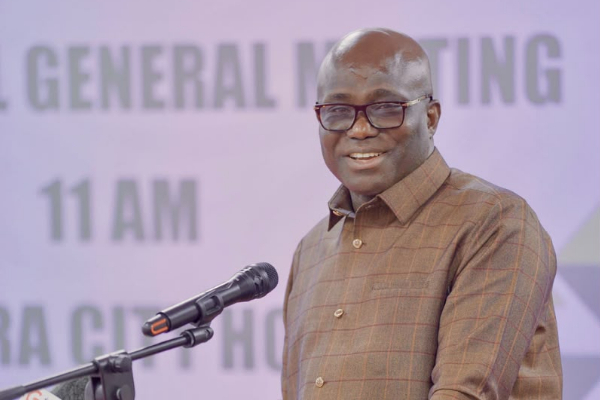
Sammy Gyamfi, chief executive of the Ghana Gold Board, rejected the Minority Leader’s claims that the institution’s finances are compromised. He described the accusations as a “desperate smear campaign” lacking documentary support.
The minority’s concerns were aired during a press conference on Tuesday, August 18, when Alexander Afenyo‑Markin highlighted perceived discrepancies in GoldBod’s financial reporting and suggested a link to a US$1 billion figure, a claim Gyamfi said the board’s audited accounts do not substantiate.
Background & Context
The Ghana Gold Board, established in 1989, regulates the nation’s gold mining industry, collects royalties, and distributes dividends to the state treasury. Its mandate includes ensuring transparency in revenue collection from a sector that contributes roughly 5 % of Ghana’s GDP.
Political oversight of the board intensified after the 2022 amendment to the Minerals and Mining Act, which expanded the board’s fiscal responsibilities. The amendment sparked debate over the balance between governmental scrutiny and operational autonomy.
Financial Allegations and Response
Afenyo‑Markin’s statements referenced an alleged shortfall of US$1 billion in GoldBod’s accounts, implying mismanagement or diversion of funds. The minority’s position rests on unpublished internal memos and media reports that have not been corroborated by independent auditors.
Gyamfi presented the most recent audited financial statements, which show a surplus of GH₵ 1.2 billion for the fiscal year ending June 2024 and compliance with International Financial Reporting Standards. He emphasized that the board’s internal controls have been reviewed by the Auditor-General’s office without reservation.
Implications for Ghana’s Mining Sector
The clash underscores the sensitivity of Ghana’s mining revenue stream, which underpins both public expenditure and foreign investment. Persistent allegations, even if unsubstantiated, can erode confidence among multinational mining firms that rely on stable regulatory environments.
Analysts note that the dispute may prompt parliamentary committees to request additional oversight mechanisms, potentially reshaping the board’s reporting framework and influencing future royalty negotiations.
Looking Ahead
The next parliamentary session is expected to feature a formal inquiry into GoldBod’s financial practices. Outcomes could range from reaffirming the board’s current governance model to instituting stricter audit requirements.
Stakeholders, including the Ministry of Finance and the Ghana Chamber of Mines, have called for a transparent dialogue that balances accountability with the operational efficiency needed to sustain the country’s gold production capacity.


0 Comments
Leave a Comment
No comments yet. Be the first to share your thoughts!