
Key Takeaways
- Gold Board (GoldBod) now operates with independent capital separate from the Bank of Ghana.
- The new structure isolates commercial gold‑trading risks from the central bank’s balance sheet.
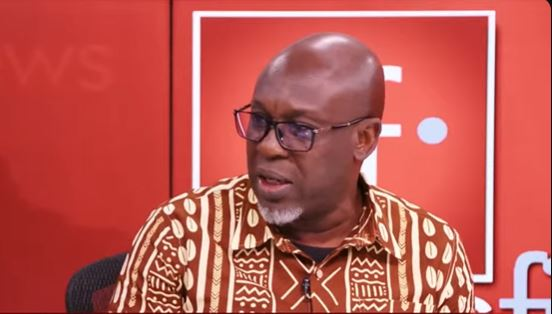
- Senior Vice‑President of IMANI Africa, Kofi Bentil, describes GoldBod as Ghana’s best approach to managing gold, while acknowledging room for improvement.
Ghana’s transition to a standalone gold‑trading entity marks a significant shift from a model in which the central bank directly handled gold transactions. The Ghana Gold Board, commonly referred to as GoldBod, is positioned to assume both the profits and losses of commercial gold activities.
Kofi Bentil, lawyer and senior vice‑president of the policy think‑tank IMANI Africa, defended the board’s establishment on JoyNews’ Newsfile, emphasizing its comparative advantage over the previous arrangement while warning that the institution remains a work in progress.
Background & Context
Historically, the Bank of Ghana managed gold purchases and sales through an internal unit that reported to the central bank. This configuration linked the nation’s monetary authority to the volatility of global gold markets, exposing the balance sheet to gains and losses unrelated to monetary policy.
Critics argued that the dual mandate strained the central bank’s core responsibilities of price stability and financial system oversight. The practice also limited transparency, as commercial trading decisions were embedded within a monetary institution.
Structural Reform
GoldBod’s current mandate grants it its own capital base, enabling autonomous buying, selling, and risk management. Under the revised model, any financial outcome from gold trading stays within GoldBod’s accounts, insulating the Bank of Ghana from direct exposure.
This separation aligns Ghana with international best practices, where commodity-specific agencies handle commercial operations while central banks focus on macro‑economic stability. The reform also creates a clearer governance framework for reporting and accountability.
Critiques and Opportunities
Bentil acknowledged that GoldBod has not yet reached operational perfection, citing the need for stronger internal controls and clearer policy direction. Stakeholders continue to call for enhanced oversight mechanisms to prevent mismanagement and to ensure that revenue streams contribute to national development.
At the same time, the board’s independence opens avenues for strategic partnerships, technology adoption, and capacity building within the mining sector. By concentrating expertise on gold markets, Ghana can better negotiate contracts, optimize pricing, and potentially diversify its mineral portfolio.
Looking Ahead
The ongoing transition suggests that Ghana will monitor GoldBod’s performance closely, adjusting regulatory parameters as experience accumulates. Success will depend on transparent reporting, robust risk assessment, and alignment of the board’s objectives with broader economic goals.
Future policy debates are likely to focus on refining the board’s mandate, enhancing stakeholder engagement, and leveraging gold revenues to fund infrastructure and social programs. The evolution of GoldBod will serve as a benchmark for other resource‑rich economies seeking to balance commercial ambition with fiscal prudence.




0 Comments
Leave a Comment
No comments yet. Be the first to share your thoughts!