
Key Takeaways
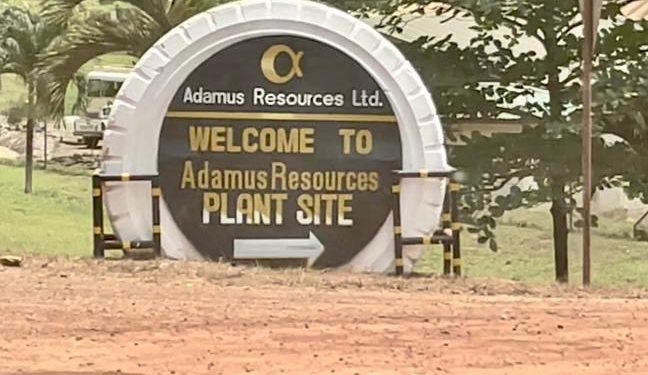
- Government and Adamus Resources will share a six‑member management team to oversee a 12‑month turnaround.
- The roadmap targets restoration of the Akango, Salman and Nkroful mines, Ghana’s few indigenous large‑scale operations.
- Both parties must address tax liabilities and explore new equity partners to inject capital.
The presidency announced on 21 August 2026 a joint oversight board comprising three officials from the Ministry of Lands and Natural Resources, the Minerals Commission and three executives from Adamus Resources. The board’s mandate is to implement a detailed twelve‑month plan that will bring the suspended mining sites back into production.
The agreement follows a protracted legal dispute after the government revoked three mining leases earlier in the year, citing alleged breaches of the Minerals and Mining Act and related regulations.
Background & Context
In April 2026 the Minerals Commission released findings that Adamus Resources had operated outside approved boundaries, failed to secure environmental clearances and involved foreign nationals contrary to statutory limits. The commission’s report prompted Lands Minister Emmanuel Armah‑Kofi Buah to uphold the revocation, transferring administrative control of the mines to the commission.
Adamus contested the decision, arguing procedural deficiencies and filing petitions that led to the formation of an Inter‑Ministerial Committee. The committee’s final recommendation reinforced the revocation, intensifying the standoff between the private operator and state authorities.
Joint Management Roadmap
The newly formed management team is tasked with delivering a comprehensive turnaround strategy within two weeks for presidential review. Core elements include resuming extraction activities, securing missing environmental and forestry permits, and rectifying the alleged unauthorized assignment of mineral rights.
Financial remediation forms a parallel pillar: Adamus must settle arrears to the Ghana Revenue Authority, the Minerals Income Investment Fund and creditors. Simultaneously, the roadmap envisions attracting additional equity partners, potentially diversifying ownership and reducing reliance on a single operator.
Implications for Ghana’s Mining Sector
Restoring the Akango, Salman and Nkroful mines would safeguard a modest but strategically important share of Ghana’s mineral output, reinforcing the country’s goal of sustaining indigenous large‑scale operations alongside multinational projects.
The collaborative model signals a shift in policy, suggesting that the government may prefer joint stewardship over outright nationalisation when disputes arise. Successful capital infusion could set a precedent for other stalled projects, encouraging private investment while preserving state oversight.
Looking Ahead
If the twelve‑month plan meets its milestones, the mines could resume production by mid‑2027, generating employment and revenue streams critical to regional development. Ongoing monitoring will determine whether additional equity partners are secured and how swiftly outstanding liabilities are cleared.
The outcome will likely influence future regulatory enforcement, as mining firms assess the balance between compliance obligations and the prospect of cooperative remediation with the Ghanaian state.



0 Comments
Leave a Comment
No comments yet. Be the first to share your thoughts!