
Key Takeaways
- Government and Adamus Resources agree on a 12‑month turnaround plan for the Akango‑Salman‑Nkroful mine.
- Six‑person joint management team will oversee operations, half appointed by each side.
- Company must address tax, revenue fund and supplier liabilities while seeking new equity partners.
The Presidency announced on 21 August that the Ministry of Lands and Natural Resources, the Minerals Commission and Adamus Resources will cooperate to produce a twelve‑month roadmap aimed at reviving the troubled mining complex. The directive follows a recent court of public opinion that upheld the revocation of three key mining leases after an extensive audit by the Minerals Commission.
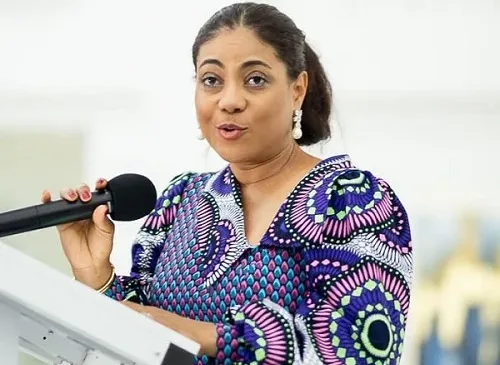
Adamus Resources, led by CEO Angela List, has contested the revocation, claiming procedural irregularities. The latest agreement replaces the earlier decision to place the mine under direct administrative control with a joint‑management framework intended to protect jobs and preserve Ghana’s indigenous mining capacity.
Background and Regulatory Context
The three leases—Akango, Salman and Nkroful—were annulled in April 2026 after investigators identified alleged breaches of the Minerals and Mining Act, 2006. Reported violations included unauthorized assignment of mineral rights, mining beyond approved boundaries, missing environmental permits and the participation of foreign nationals in activities reserved for Ghanaian entities.
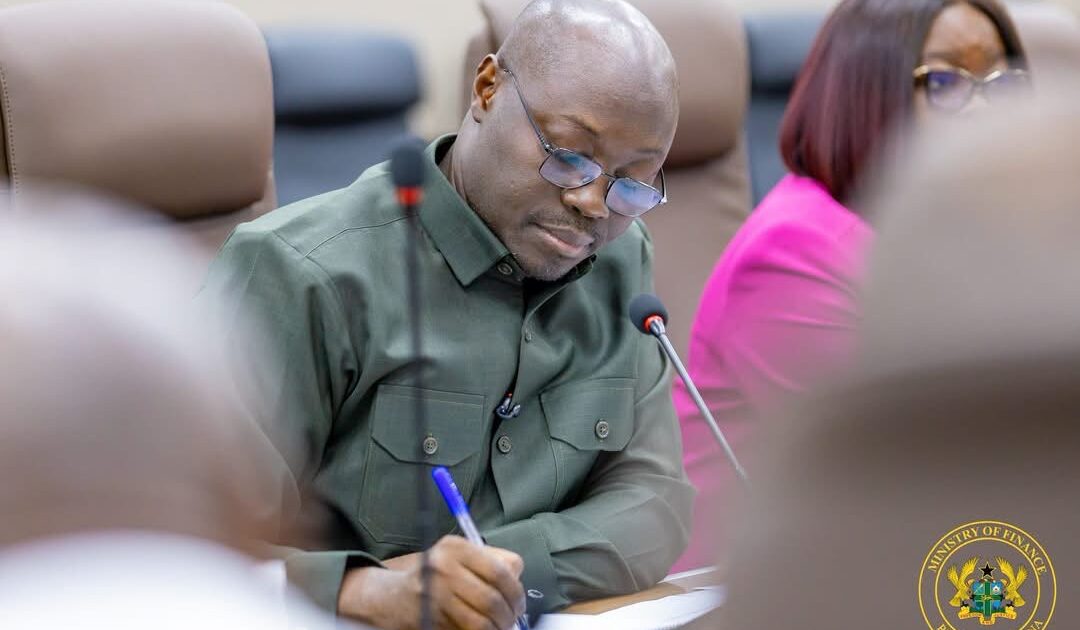
Minister Emmanuel Armah‑Kofi Buah affirmed the revocations in early August after an inter‑ministerial committee reviewed Adamus’s petition. The decision signaled a firm regulatory stance but also raised concerns about the socioeconomic impact on the mine’s workforce.
The New Turnaround Roadmap
The roadmap mandates a six‑member management board, equally split between the company and the state, to steer operational recovery. Responsibilities include auditing financial obligations to the Ghana Revenue Authority, the Minerals Income Investment Fund and private creditors, then formulating a repayment schedule.
In parallel, the government will explore equity injections by courting additional partners, a move designed to bolster capital without compromising Ghanaian ownership. The joint team is tasked with delivering a detailed plan to the Presidency within two weeks.
Implications for Ghana’s Mining Sector
If successful, the collaborative model could become a template for resolving disputes involving other indigenous mines, balancing regulatory enforcement with economic continuity. The approach also underscores the Ministry’s willingness to retain local ownership while inviting strategic investment.
Conversely, failure to meet the roadmap’s milestones could reinforce perceptions of regulatory overreach and deter future private investment in the sector. Stakeholders are watching closely to gauge whether the plan can reconcile compliance requirements with operational viability.
Looking Ahead
The next fortnight will determine whether the joint management board can produce a viable turnaround strategy. Subsequent phases will depend on the ability to secure new equity, settle outstanding liabilities and restore production levels that sustain local employment.
Long‑term monitoring by the Minerals Commission will ensure adherence to environmental and legal standards, offering a potential pathway for other contested mining operations to re‑enter the market under stricter oversight.



0 Comments
Leave a Comment
No comments yet. Be the first to share your thoughts!