
Key Takeaways
- Foreign Affairs Minister Samuel Ablakwa says Africa seeks policy support, not direct cash, to address slavery’s legacy.
- UN General Assembly adopted resolution A/RES/80/250, labeling the trans‑Atlantic slave trade the gravest crime against humanity.
- Ghana’s Accra conference produced the Next Steps Commitments, targeting cultural restitution, education, economic transformation and climate justice.
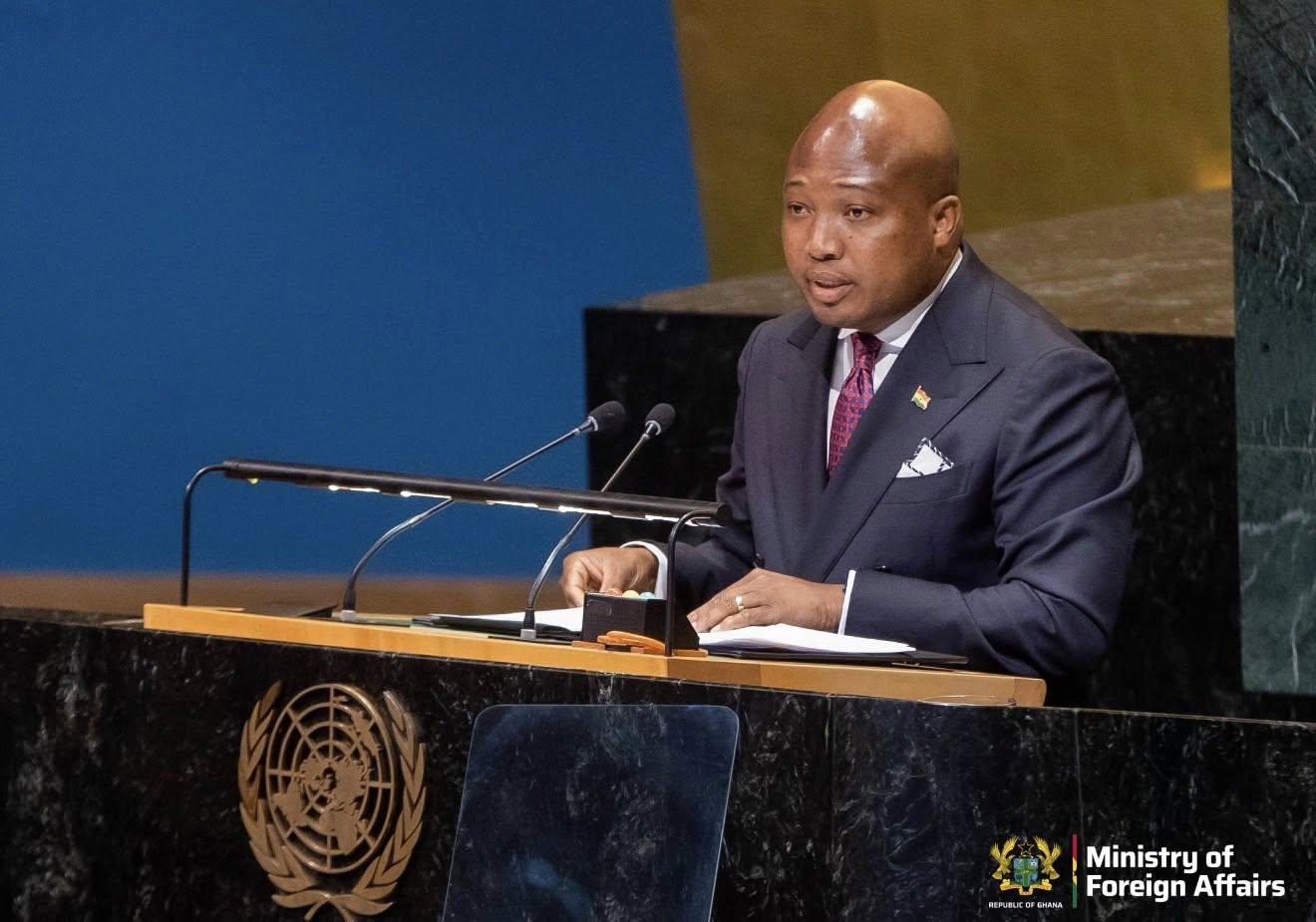
On August 23, Ghanaian officials reiterated that reparatory justice must move past monetary compensation toward systemic investment in the continent’s future. Minister Samuel Okudzeto Ablakwa, speaking to an international press corps in Moscow, framed the demand as a call for concrete programmes that empower African youth and rectify entrenched inequities.
The remarks followed the United Nations’ adoption of a landmark resolution condemning the trans‑Atlantic slave trade as a crime against humanity. The resolution, championed by Ghana and backed by 123 member states, opened a diplomatic pathway for African nations to negotiate reparations that extend into education, cultural heritage and sustainable development.
Background & Context
The trans‑Atlantic slave trade, which displaced an estimated 12 million Africans between the 16th and 19th centuries, left a legacy of demographic disruption, economic underdevelopment and cultural loss. Previous reparations proposals—most notably the 2001 UN‑backed “Caribbean Community” claim for reparative aid—stalled amid disagreements over methodology and the scope of compensation.
Ghana’s role as a diplomatic catalyst dates to its 2019 “Year of Return,” which marked the 400th anniversary of the first enslaved Africans arriving in North America. That initiative re‑energized diaspora engagement and set a precedent for leveraging historical memory into contemporary policy agendas.
Ghana's Diplomatic Initiative
In March 2026, Ghana secured the passage of Resolution A/RES/80/250, a first‑of‑its‑kind UN declaration that categorises the slave trade as the gravest crime against humanity. The vote saw the United States, Israel and Argentina dissent, while a majority of nations signalled support, underscoring the geopolitical divide over reparations.
The subsequent High‑Level Consultative Conference in Accra (June 17‑19, 2026) produced the “Accra Next Steps Commitments.” Those commitments outline a multi‑track framework covering cultural restitution, debt relief, climate justice, technology transfer and diaspora‑led entrepreneurship, reflecting a holistic approach to reparatory justice.
Reparatory Justice Beyond Money
Ablakwa’s statement in Moscow stressed that African leaders are “not interested in the money of the West” but in “supporting causes” that generate lasting impact. He cited the Archbishop of Canterbury’s £100 million pledge for young African entrepreneurs as a model of targeted, capacity‑building assistance.
By foregrounding youth‑focused investment, Ghana seeks to convert historical redress into a catalyst for economic diversification, digital innovation and climate resilience. Such an approach aligns with the UN’s Sustainable Development Goals and addresses the structural deficits that slavery entrenched across the continent.
Looking Ahead
The next phase will test the durability of the Accra commitments as African states negotiate bilateral and multilateral agreements with former colonial powers. Monitoring mechanisms, including advisory legal bodies and cultural restitution registries, are expected to operationalise the UN resolution’s intent.
If successful, the model could reshape global reparatory discourse, establishing a precedent where historical accountability translates into concrete development pathways rather than symbolic cash payments alone.




0 Comments
Leave a Comment
No comments yet. Be the first to share your thoughts!