
Key Takeaways
- The Ministry of Sports and the Ghana Football Association have created a five‑member Technical Search Committee to identify a new Black Stars head coach.
- The committee must deliver its recommendation by 9 October 2026 and the appointed coach will be required to reside in Ghana and monitor the domestic league.
- A new technical structure will coordinate U15, U17 and U20 pathways, while U18 and U19 competitions are placed on hold.
- A Public Interest Committee will supervise the rollout of reforms, including a reduced management team and a FIFA‑standard cooperation agreement.
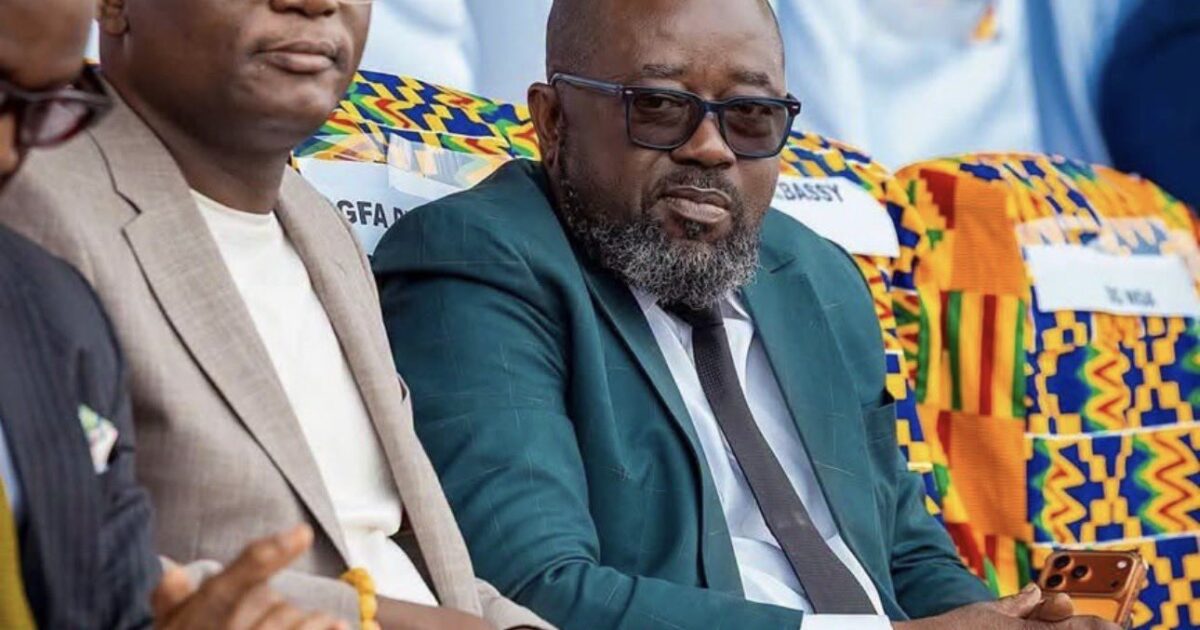
The Ghanaian government and the national football federation convened on Friday to confront a wave of public criticism over the Black Stars’ recent results. Their joint statement outlined a series of institutional reforms aimed at restoring competitive credibility and fostering a sustainable talent pipeline.
Central to the plan is the formation of a Technical Search Committee tasked with recommending a new head coach, alongside a broader restructuring of youth development, league oversight, and governance mechanisms.
Background & Context
Ghana’s senior national team, historically a powerhouse in African football, has struggled to replicate past successes in recent tournaments. Declining World Cup qualifiers and early exits from regional competitions have intensified scrutiny from fans, sponsors, and policymakers.
The Ministry of Sports and the GFA have responded by aligning their strategic objectives, acknowledging the public’s demand for decisive action and heightened accountability. Their collaboration reflects a growing trend in African football governance where state ministries assume a more active role in sport administration.
Technical Search Committee and Coaching Criteria
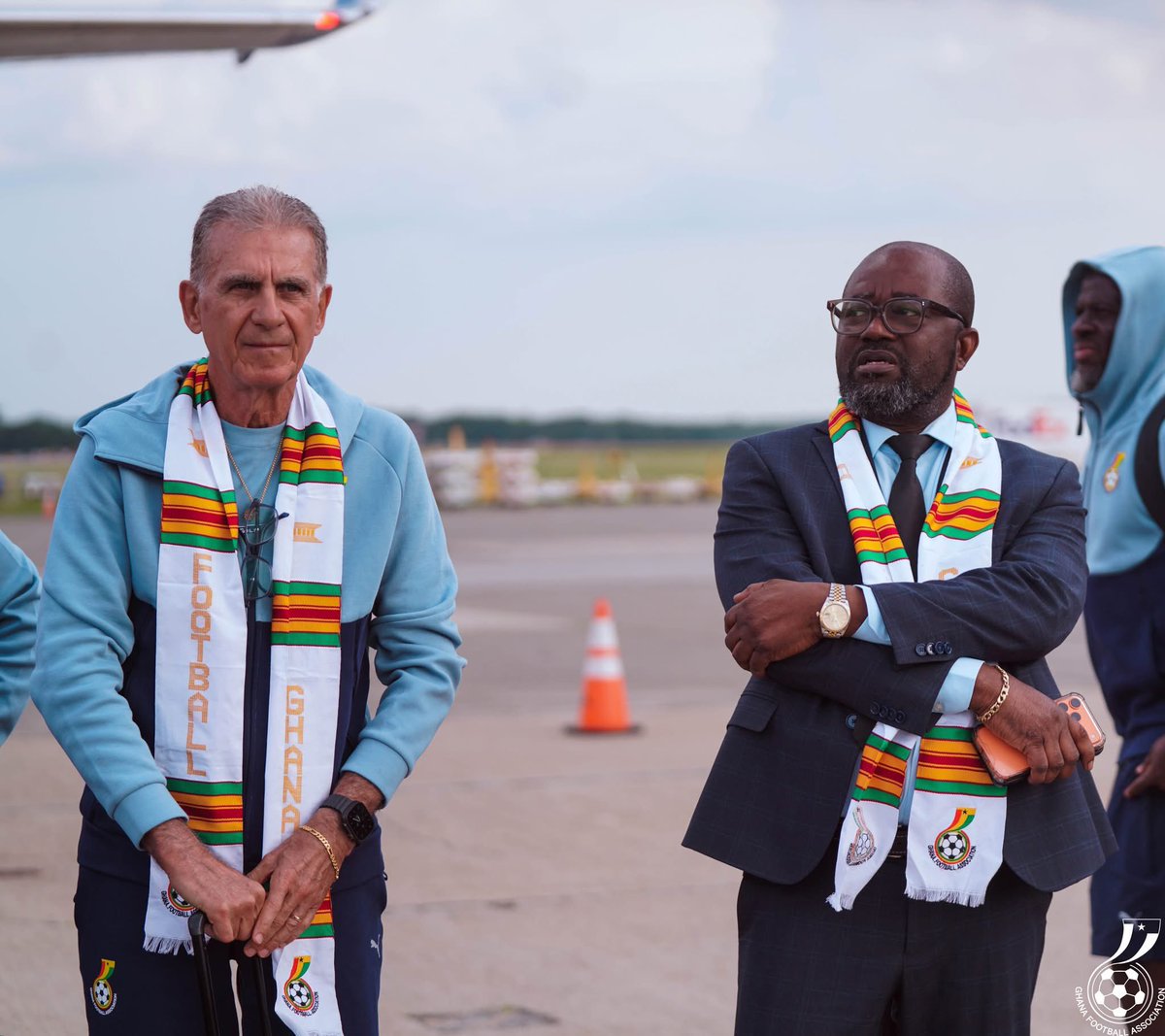
The newly constituted five‑member committee will scout both domestic and international candidates, with a mandate to submit its report by 9 October 2026. Unlike previous appointments, the forthcoming coach must live in Ghana and maintain a continuous presence in the local league, ensuring direct oversight of player development.
Requiring residency addresses longstanding concerns that overseas coaches are detached from the domestic talent pool, a factor critics argue has limited the national team’s ability to integrate emerging players. The residency clause also promises better coordination with the GFA’s technical directorate and the upcoming youth pathways.
Youth Development Overhaul
A dedicated technical head will now oversee the U15, U17 and U20 squads, each supported by its own technical team. This hierarchical model seeks to create a seamless progression for players, with systematic tracking of performance metrics across age groups.
By suspending U18 and U19 competitions until the new structure is fully operational, the GFA aims to avoid overlapping schedules and to concentrate resources on the defined pathways. Partnerships with the National Schools and Grassroots Sports programme and private academies are expected to broaden the scouting net and raise the overall standard of youth football.
Public Oversight and Governance
The establishment of a Public Interest Committee introduces an external oversight layer intended to monitor reform implementation, budgetary discipline, and compliance with a forthcoming FIFA‑standard cooperation agreement. Such mechanisms are designed to curb administrative inefficiencies that have historically plagued Ghanaian football.
Additionally, the proposal to trim national team management committees from five to three members reflects a drive toward leaner decision‑making and clearer accountability. Relocating the technical hub to the Ghanaman Soccer Centre of Excellence in Prampram further centralises training resources.
Looking Ahead
If the Technical Search Committee identifies a coach who can blend international expertise with a grassroots‑focused philosophy, Ghana could see a resurgence in tactical cohesion and player morale ahead of upcoming AFCON qualifiers.
The success of the reforms will ultimately be measured by the national team’s performance on the pitch and the depth of talent emerging from the restructured youth system, both of which remain under close observation by the public and stakeholders.


0 Comments
Leave a Comment
No comments yet. Be the first to share your thoughts!