
Key Takeaways
- Ghana’s diaspora‑linked celebrities generate sustained global exposure without direct payment.
- Past campaigns such as the 2019 Year of Return proved that celebrity‑driven storytelling can boost arrivals, yet conversion mechanisms remain weak.
- A coordinated “celebrity tourism network” could transform episodic publicity into measurable tourism revenue.
- Policy‑level integration of digital retargeting, curated itineraries and ambassador contracts is essential for long‑term impact.
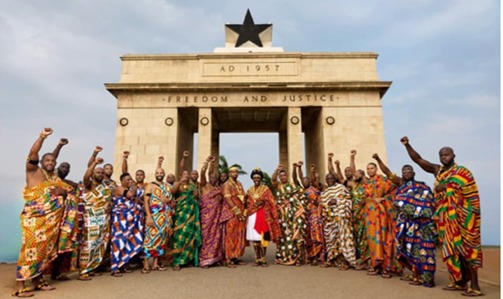
Ghana has become a magnet for internationally recognised personalities who trace their ancestry to the nation, celebrate milestones on its soil and share the experience with millions of followers. The recent traditional wedding of Bozoma Saint John and Keely Watson, filmed for a major reality‑television series, illustrates how organic celebrity presence can generate a cascade of global media coverage.
Despite the clear visibility, the Ghanaian tourism sector has yet to translate that attention into a systematic revenue engine. Analysts argue that the country’s current approach treats each celebrity visit as a one‑off event rather than a reusable marketing asset.
Background & Context
The 2019 Year of Return marked a deliberate effort to invite the African diaspora back to Ghana, resulting in a marked increase in international arrivals. High‑profile figures such as Idris Elba, Naomi Campbell and Steve Harvey visited heritage sites, posted on social platforms and appeared in news reports. Academic assessments linked the surge in interest to the emotional resonance of personal narratives rather than conventional advertising.
Subsequent initiatives, including the Beyond the Return program, expanded the focus to investment, cultural exchange and innovation. While these campaigns maintained a high level of visibility, scholarly work published in 2025 highlighted a persistent reliance on event‑centric planning and a shortfall in converting interest into bookings, investments or long‑term partnerships.
Celebrity Influence as a Marketing Asset
When a celebrity chooses Ghana as a backdrop for a personal celebration, the destination becomes part of the storyline rather than a backdrop for a scripted advertisement. The Bozoma Saint John wedding, broadcast to a global audience, provided exposure comparable to an extended advertising campaign, yet without any direct financial outlay from the tourism authority.
Research on Steve Harvey’s visit to Cape Coast Castle demonstrated that a single video clip amassed nearly 700,000 views, reaching multiple generations of Black Americans. The impact derived from the authenticity of the experience, which conveyed themes of identity, belonging and heritage—elements that traditional tourism messaging often struggles to capture.
Strategic Gaps and Recommendations
Current practice emphasizes immediate publicity: photographs, press releases and social‑media spikes. What is missing are mechanisms to capture that attention and guide it toward concrete actions. Effective destination marketing would include curated travel itineraries linked to the celebrity’s itinerary, landing pages optimized for search, retargeted advertising to viewers and formal ambassador agreements that outline measurable deliverables.
Establishing a “Ghana Celebrity Tourism Network” could institutionalise the process. The network would comprise 30–50 influential individuals with Ghanaian heritage or strong emotional ties. Membership would involve collaborative content creation, periodic visits, and shared promotion of specific tourism products such as heritage tours, luxury accommodations and diaspora investment opportunities.
Looking Ahead
Embedding celebrity visits within a data‑driven ecosystem offers Ghana the chance to convert episodic visibility into sustained economic benefit. By aligning digital analytics, partnership contracts and targeted promotional assets, the tourism authority can quantify the return on each high‑profile appearance.
Future policy should prioritize the development of a centralized platform that tracks media impressions, monitors search trends and measures booking conversions linked to celebrity content. Such an infrastructure would enable Ghana to move from sporadic publicity to a scalable, evidence‑based tourism strategy.






0 Comments
Leave a Comment
No comments yet. Be the first to share your thoughts!