
Key Takeaways
- Ghana has seen a surge in debt financing for critical investments, less than a year after exiting the IMF programme.
- The Finance Ministry is criticized for failing to raise necessary revenue, leading to increased borrowing.
- Experts warn of the risks associated with rapid debt accumulation.
- The government's reliance on debt financing is a departure from its commitment to fiscal consolidation.
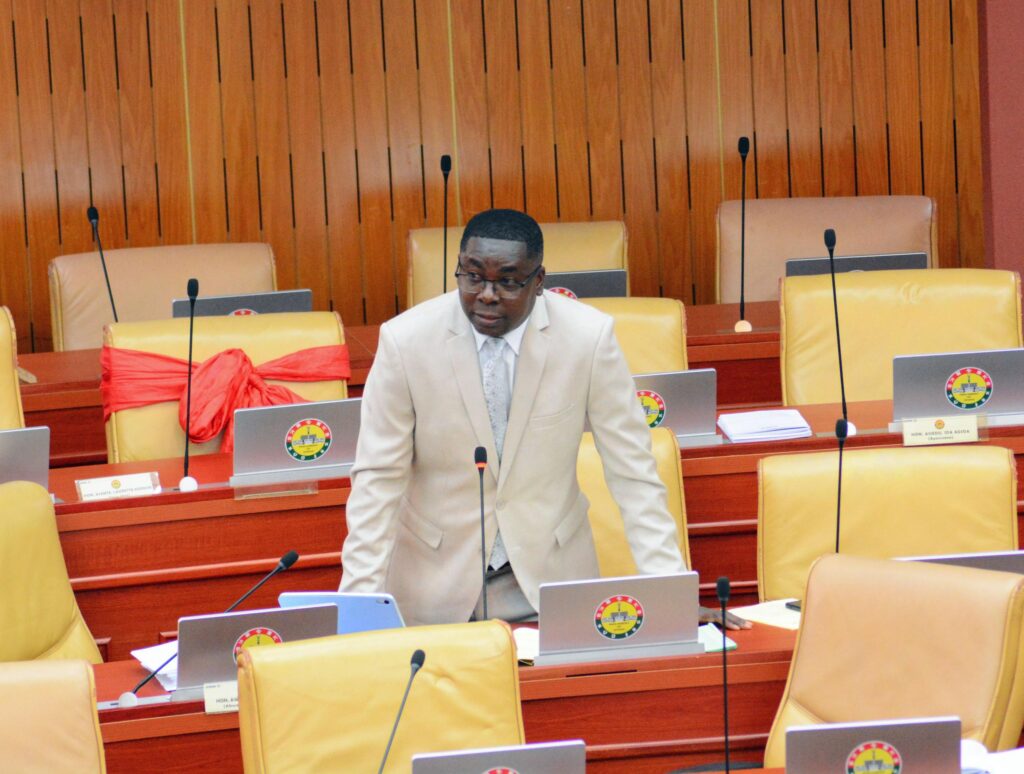
The Ghanaian government's decision to tap into the debt market for financing critical investments has raised concerns among experts, who argue that the country is resorting to borrowing too quickly. According to Dr. Gideon Boako, Deputy Ranking Member on Parliament's Finance Committee, the Finance Ministry has failed to ensure adequate revenue mobilization, leading to increased borrowing.
Dr. Boako's comments come as the country navigates the aftermath of its exit from the International Monetary Fund (IMF) programme. The IMF programme, which aimed to stabilize Ghana's economy, was completed in 2022. However, just a year later, the government has returned to the debt market, sparking concerns about the country's fiscal management.
Background & Context
The IMF programme was designed to address Ghana's fiscal challenges, including a large budget deficit and high debt levels. The programme aimed to stabilize the economy, promote economic growth, and improve the business environment. However, despite the programme's completion, Ghana's fiscal challenges persist, with the government struggling to raise necessary revenue to finance critical investments.
The government's reliance on debt financing is a departure from its commitment to fiscal consolidation. In 2020, the government announced plans to reduce its debt-to-GDP ratio, but the recent surge in borrowing has raised concerns about the country's ability to achieve this goal.
Key Findings
Dr. Boako's comments highlight the need for the Finance Ministry to prioritize revenue mobilization. The Ministry has been criticized for failing to implement effective tax policies, leading to revenue shortfalls. According to the Ministry of Finance, Ghana's tax-to-GDP ratio is one of the lowest in the sub-region, highlighting the need for urgent reforms.
The government's reliance on debt financing is also a concern, given the country's high debt levels. Ghana's debt-to-GDP ratio has been increasing steadily, reaching 77.8% in 2022. The IMF has warned that the country's debt levels are unsustainable and require urgent attention.
Broad Implications
The implications of Ghana's debt reliance are far-reaching. The country's high debt levels pose a risk to its credit rating, making it more expensive to borrow in the future. Additionally, the government's reliance on debt financing may divert resources away from critical sectors, such as education and healthcare.
The crisis also raises concerns about the country's ability to respond to future economic shocks. Ghana's economy is highly susceptible to external shocks, including changes in global commodity prices and interest rates. The country's high debt levels may limit its ability to respond to such shocks, exacerbating the economic crisis.
Looking Ahead
The government's decision to tap into the debt market for financing critical investments has sparked concerns about the country's fiscal management. Experts warn that the rapid accumulation of debt poses significant risks to the country's economic stability. To mitigate these risks, the Finance Ministry must prioritize revenue mobilization and implement effective tax policies. The government must also ensure that debt financing is used judiciously, with a focus on critical investments that promote economic growth and development.
In conclusion, Ghana's debt reliance raises concerns about the country's fiscal management and its ability to respond to future economic shocks. The government must take urgent action to address these concerns, prioritizing revenue mobilization and implementing effective tax policies to reduce its reliance on debt financing.





0 Comments
Leave a Comment
No comments yet. Be the first to share your thoughts!