
Key Takeaways
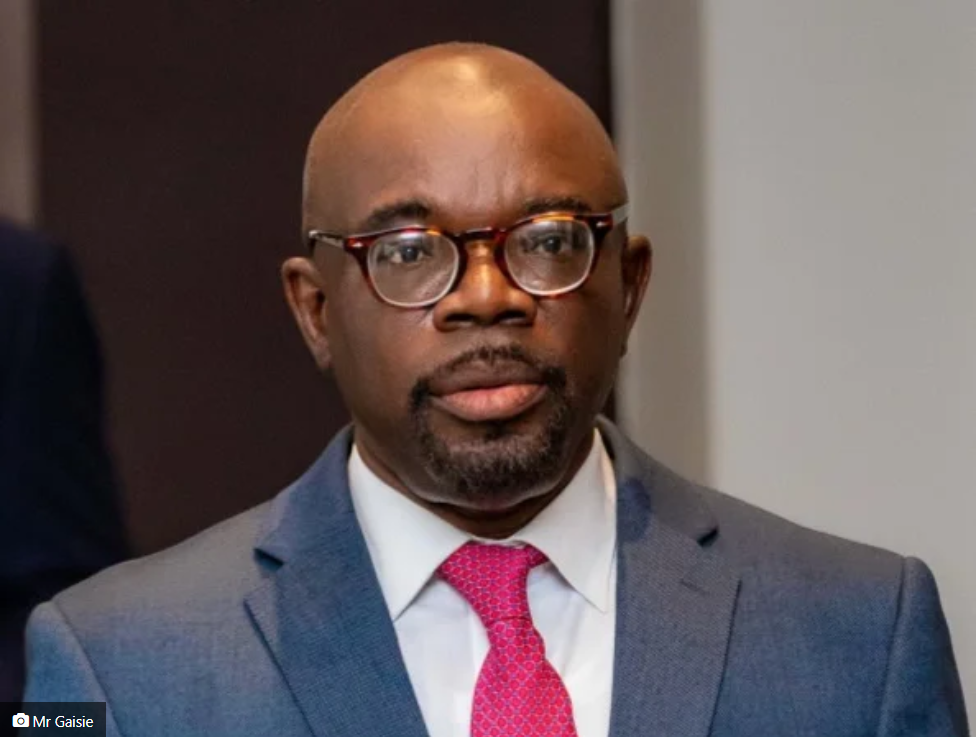
- The Entrepreneurs Foundation of Ghana's Chairman, Sam Ato Gaisie, advocates for a shift in investment from Accra to other regions.
- He believes balanced regional development is crucial for the success of Ghana's 24-Hour Economy policy.
- Gaisie suggests directing more public and private investment to regional capitals to spur industrialization and job creation.
Ghana's economic growth depends heavily on the development of its regional economies, according to Sam Ato Gaisie, the founder and chairman of the Entrepreneurs Foundation of Ghana. In a keynote address at the Made in Ghana Business Summit 2026, Gaisie emphasized the need for a shift in investment focus from Accra to other regions, arguing that the country's future prosperity depends on decentralizing investment and business activities across all regional capitals and emerging cities.
While Accra remains the country's commercial hub, the heavy concentration of economic activity in the capital has created growing challenges, including traffic congestion, housing shortages, environmental degradation, and recurrent flooding. Gaisie noted that these challenges highlight the need to decentralize investment and business activities to other regional capitals and emerging cities.
Background & Context
Ghana has made significant strides in recent years, with the country's economy growing steadily. However, the benefits of this growth have been largely concentrated in Accra, with many rural areas remaining underdeveloped. The country's regional economies have significant potential for growth, with vast agricultural land, mineral resources, tourist attractions, and talented young people.
The 24-Hour Economy policy, launched by the government, aims to transform Ghana into a hub for economic activity. However, for this policy to be successful, it is essential to balance regional development and ensure that economic activities are spread across the country.
Regional Investment
Gaisie emphasized the need for regional investment to spur industrialization and job creation. He suggested that directing more public and private investment to regional capitals would help businesses access new markets, reduce operational costs, strengthen local supply chains, and support balanced national development.
Every region in Ghana has unique economic strengths, which, if fully developed, would transform regional capitals into vibrant business hubs capable of attracting both local and foreign investment. Gaisie encouraged investors to consider the regions as viable options for business growth, rather than solely focusing on Accra.
Broader Implications
The benefits of regional investment extend beyond economic growth. By creating employment opportunities in the regions, rural-urban migration can be reduced, and inclusive economic growth can be promoted. Additionally, regional investment can help to reduce poverty and inequality, contributing to a more prosperous and stable country.
The private sector, government, development partners, financial institutions, and international investors must work together to accelerate regional industrialization. This can be achieved by improving infrastructure, expanding access to finance, and introducing policies that encourage businesses to invest beyond the capital.
Looking Ahead
The vision of the Entrepreneurs Foundation of Ghana is simple: a Ghana where every region contributes significantly to national development, where young people can succeed without leaving their hometowns, where businesses flourish across the country, and where 'Made in Ghana' products become globally competitive.
By working together, stakeholders can unlock the full economic potential of the regions, create sustainable jobs, and build a stronger and more prosperous country. Gaisie's call for regional investment and balanced development is a timely reminder of the importance of inclusive economic growth and the need for a more equitable distribution of opportunities across the country.




0 Comments
Leave a Comment
No comments yet. Be the first to share your thoughts!