
Key Takeaways
- Ghana has seen a significant increase in arrests over insulting comments to public officials under the Mahama administration.
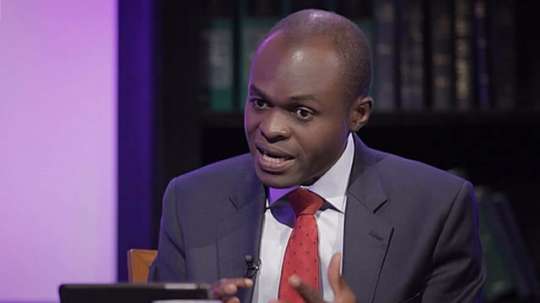
- Private legal practitioner Martin Kpebu criticizes the government's approach, urging a reconsideration of arrests in dealing with offensive public commentary.
- Kpebu suggests alternative measures, such as fines or public naming and shaming, to address insulting remarks without resorting to arrest.
Ghana's democratic history is replete with instances of politicians making harsh or offensive remarks about those in power without facing arrest. However, the current Mahama administration has recorded a worrying trend of arrests over insulting comments to public officials.
According to Martin Kpebu, a private legal practitioner, the government's approach is a poor record for President John Dramani Mahama and poses a threat to freedom of speech in the country.
Background & Context
The issue of freedom of speech in Ghana has been a contentious topic, particularly in the wake of the opposition New Patriotic Party's "Democracy Under Attack" demonstration on August 6. The party accused the government of political persecution, selective justice, and the misuse of state institutions against opponents and critics.
The government has rejected these allegations, but the debate has sparked renewed concerns over the use of state institutions and the balance between protecting public officials and upholding freedom of speech.
Key Findings
Kpebu's claims are based on his analysis of the number of arrests made over insulting comments to public officials under the current administration. He argues that this approach is not only a poor record for the government but also sets a dangerous precedent for the erosion of goodwill and the stifling of public discourse.
Furthermore, Kpebu points out that Ghana's democratic history is filled with instances of politicians making harsh or offensive remarks about those in power without facing arrest. He cites examples of the late former President Jerry John Rawlings, who made strong accusations against former President John Agyekum Kufuor while he was in office without being arrested.
Broader Implications
The implications of the government's approach to arresting individuals over insulting comments are far-reaching. Kpebu argues that this approach could gradually erode the goodwill enjoyed by the government and stifle public discourse, ultimately undermining Ghana's democratic progress.
It is also worth noting that the use of arrests as a means of responding to insulting comments is not only impractical but also undesirable in a democracy. Instead, Kpebu suggests alternative measures, such as fines or public naming and shaming, to address insulting remarks without resorting to arrest.
Looking Ahead
The debate over freedom of speech and the use of state institutions is unlikely to subside anytime soon. As the government continues to face criticism over its approach, it is essential that it takes a nuanced and balanced approach to addressing insulting comments and upholding freedom of speech.
Kpebu's comments serve as a timely reminder of the importance of protecting freedom of speech and promoting a culture of constructive criticism and public discourse in Ghana.





0 Comments
Leave a Comment
No comments yet. Be the first to share your thoughts!