
Key Takeaways
- President John Mahama expressed disappointment over the United States’ opposition to the UN resolution condemning the transatlantic slave trade as a crime against humanity.
- Mahama argued that European colonial powers, not the United States, bear primary responsibility for the historic trafficking of enslaved Africans.
- The resolution, championed by Ghana, passed with 123 votes in favor, while the US, Israel and Argentina voted against and 52 nations abstained.
- Ghana intends to translate the UN declaration into concrete reparatory actions and cultural restitution.
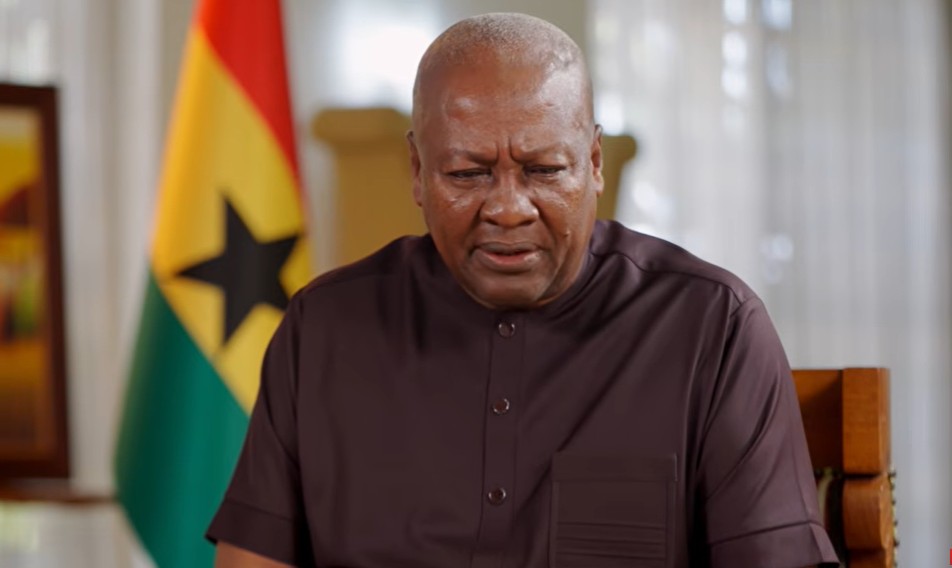
In an interview with TRT World on August 21, President John Dramani Mahama voiced surprise at the United States’ vote against a landmark United Nations resolution that labels the transatlantic slave trade and racialised chattel enslavement as the gravest crime against humanity. The resolution, driven by Ghana’s diplomatic campaign, secured a decisive majority in the General Assembly earlier this year.
Mahama’s remarks underscore a broader diplomatic narrative that seeks to shift historical accountability toward European powers that organized the slave voyages, while acknowledging the United States’ post‑independence involvement in slavery and its economic legacy.
Historical Context of the Vote
The UN resolution emerged from a multi‑year effort led by Ghana, which positioned itself as the African Union’s champion for reparatory justice. On March 25, 2026, 123 member states voted in favour, marking the first time a global body formally recognized the transatlantic slave trade as a crime against humanity. The United States, Israel and Argentina cast dissenting votes; a bloc of 52 countries, including several European Union members, abstained.
European abstentions were explained by concerns over the resolution’s legal phrasing and the prospect of reparations claims extending to historical events. The vote therefore reflects a diplomatic divide between nations willing to endorse moral condemnation and those cautious about legal ramifications.
Mahama’s Assessment of US Responsibility
Mahama contended that the United States should not be singled out as the principal architect of the transatlantic slave trade because the majority of enslaved Africans arrived on American soil aboard ships operated by European colonial powers during the colonial era. He acknowledged that slavery persisted in the United States after independence and was only abolished following the Civil War, yet he argued that the primary economic benefits derived from the trade accrued to European merchants and investors.
The president emphasized that assigning collective guilt to the United States would overlook the historical role of Britain, Portugal, Spain, France, the Netherlands and other colonial actors. He suggested that the moral weight of the resolution should press European nations to confront their own legacies.
Implications for Ghana’s Reparations Strategy
Ghana’s diplomatic victory at the UN is intended to catalyze concrete measures beyond symbolic recognition. Mahama has repeatedly stated that the reparations agenda aims to foster truth, healing and practical interventions, such as the restitution of cultural artifacts and targeted development programs for descendant communities.
The president’s critique of the US vote reinforces Ghana’s strategy of leveraging moral consensus to pressure reluctant states. By highlighting European accountability, Ghana hopes to create a diplomatic environment where restitution claims gain traction in bilateral negotiations and multilateral forums.
Looking Ahead
Future diplomatic engagements are likely to focus on translating the resolution’s language into actionable policies. Ghana plans to convene additional consultative conferences with African and diaspora partners, seeking commitments for cultural repatriation, educational initiatives and economic reparations.
The United States’ dissent may prompt renewed debate within its own legislative and civil‑society circles, while European abstentions could evolve into more assertive positions as the moral momentum of the resolution continues to build.


0 Comments
Leave a Comment
No comments yet. Be the first to share your thoughts!