
Key Takeaways
- 96% of surveyed pensioners want to keep working after the statutory retirement age.
- More than half favour extending the retirement age to 65 or beyond.
- Retirees are ready to mentor, advise and volunteer if coordination mechanisms exist.
- Financial gain ranks low; purpose and national development drive post‑retirement engagement.
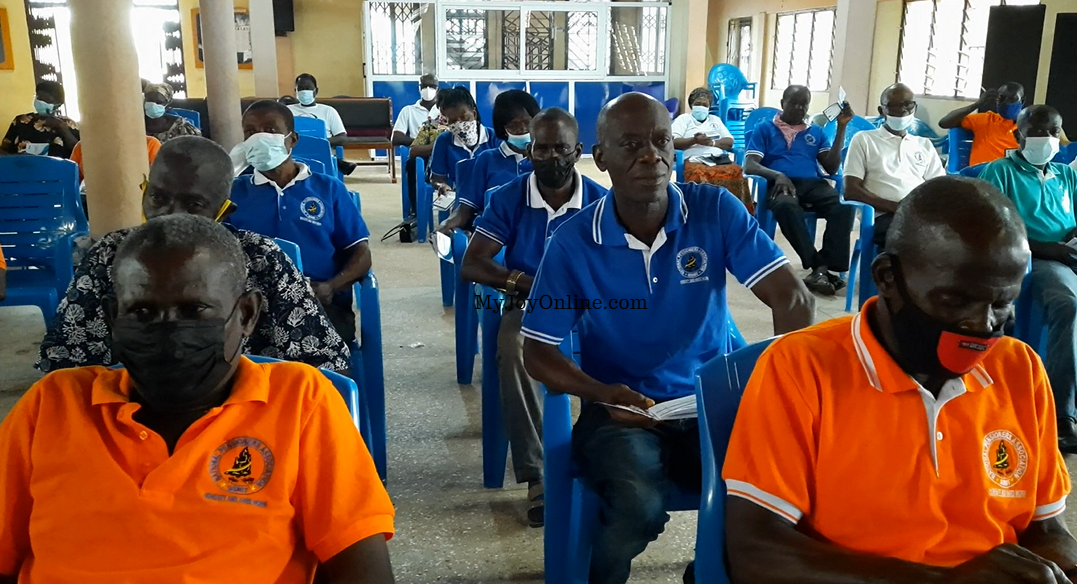
The Centre for Retired Experts (CREX) surveyed 559 Ghanaian pensioners in February 2026. The data reveal a stark mismatch between the willingness of older workers to remain productive and the absence of institutional pathways to harness their expertise.
Findings were presented at the University of Professional Studies, Accra, where researchers highlighted that coordination, not desire, limits the deployment of senior talent across governance, business and education sectors.
Background & Context
Ghana’s statutory retirement age of 60 has been in place for decades, yet demographic trends show an expanding pool of experienced professionals. Historical retirement models in the country treated the phase as a final disengagement from the labor market, contrasting with global shifts toward “active ageing” policies. The CREX study provides empirical evidence that Ghanaian retirees still perceive themselves as valuable contributors to national development.
Survey respondents reported stable physical and mental health, a prerequisite for sustained engagement. However, only one in five remained professionally active, indicating that structural barriers, rather than personal capacity, curtail participation.
Key Findings
Mentorship emerged as the most popular post‑retirement role, with 90% willing to guide younger professionals. Advisory and board‑member positions attracted 88% of respondents, while 98% expressed readiness to register on a dedicated platform—an option that currently does not exist for the majority.
Sectoral preferences clustered around governance and development (21% each), followed by business and education. Agriculture and health lagged, a pattern the researchers attribute to labor intensity and sample composition. Availability metrics showed that 84% could allocate one to four hours daily, and over 90% could commit to a similar weekly schedule, provided logistical support such as transport and meals.
Broader Implications
The untapped human capital represents a strategic asset for Ghana’s development agenda. Integrating retirees into public‑private initiatives could alleviate skill shortages, particularly in policy formulation and institutional oversight. Moreover, extending the retirement age aligns with international best practices that link longer working lives to economic resilience.
Financial incentives rank low among motivations; the dominant drivers are intellectual stimulation and societal contribution. This suggests that policy frameworks emphasizing purpose, rather than remuneration, may achieve higher uptake among senior workers.
Looking Ahead
Policymakers face a clear mandate to construct coordination mechanisms—digital registries, partnership models with NGOs, and incentives for private firms to engage senior advisors. Pilot programs in rural development and community governance could test scalable models.
If Ghana establishes a robust platform for retiree engagement, the nation could convert a demographic challenge into a competitive advantage, reinforcing both economic productivity and social cohesion.






0 Comments
Leave a Comment
No comments yet. Be the first to share your thoughts!