
Key Takeaways
- Open waste burning caused over 32,000 deaths in Ghana in 2023, making it the country's second leading cause of death.
- Household pollution from solid fuels and waste accounted for about two-thirds of the deaths linked to open waste burning.
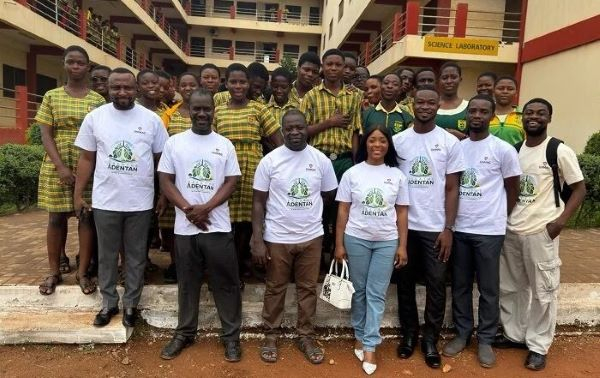
- Students are being sensitized as future leaders to champion clean air through the campaign theme: 'The 'borla' you burn, your family breathes.
The 2025 State of Global Air report revealed a stark reality for Ghana: open waste burning has become the country's second leading cause of death, claiming over 32,000 lives in 2023. This alarming statistic surpasses high blood pressure as the leading cause of mortality in the country. The report attributed this to household pollution from solid fuels and waste, which accounted for approximately two-thirds of the deaths linked to open waste burning.
The impact of open waste burning on public health is a pressing concern that requires immediate attention. The practice not only contributes to respiratory problems and other health issues but also perpetuates a cycle of pollution that affects not only individuals but also the environment. It is essential to recognize the severity of this issue and work towards finding sustainable solutions to mitigate its effects.
Background & Context
The State of Global Air report provides a comprehensive analysis of air quality and its impact on human health worldwide. The report highlights the devastating effects of air pollution, which is responsible for an estimated 7 million premature deaths globally each year. In Ghana, the situation is particularly dire, with open waste burning exacerbating the problem.
Household pollution from solid fuels and waste is a significant contributor to air pollution in Ghana. The use of biomass fuels, such as wood and charcoal, releases toxic emissions that can cause respiratory problems and other health issues. Additionally, the open burning of waste contributes to the formation of particulate matter, which can exacerbate existing health conditions.
Key Findings
The 2025 State of Global Air report emphasizes the need for urgent action to address the issue of open waste burning. The report highlights the importance of transitioning to cleaner energy sources and implementing effective waste management practices. This can be achieved through a combination of government policies, community engagement, and individual actions.
Student engagement is a crucial aspect of addressing this issue. By educating future leaders about the importance of clean air and the devastating effects of open waste burning, we can create a culture of sustainability and environmental stewardship. The campaign theme 'The 'borla' you burn, your family breathes' effectively conveys the personal connection between individual actions and public health.
Looking Ahead
As Ghana continues to grapple with the issue of open waste burning, it is essential to adopt a comprehensive approach that involves government, community, and individual actions. This requires a commitment to cleaner energy sources, effective waste management practices, and education and awareness campaigns.
The engagement of students as future leaders is a critical step towards creating a culture of sustainability and environmental stewardship. By empowering students with knowledge and skills, we can create a generation of leaders who are equipped to tackle the complex challenges of air pollution and promote a healthier environment for all.






0 Comments
Leave a Comment
No comments yet. Be the first to share your thoughts!