
Key Takeaways
- Minister stresses a purposeful, systematic route for nurturing young football talent in Ghana.
- Success hinges on joint effort from federations, clubs, coaches, media and the broader football community.
- Modern practices such as data‑driven scouting, sports science and robust domestic competitions are essential.
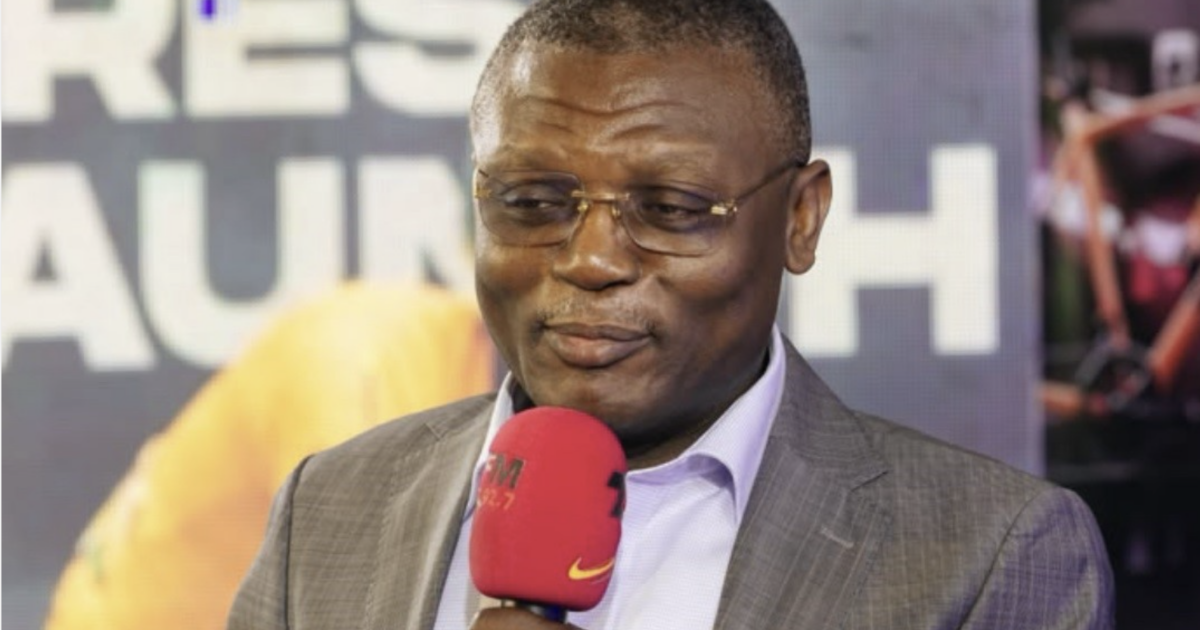
The Ghanaian sports portfolio announced a sweeping call to overhaul the nation’s youth football architecture during the Ghana Football Association’s 32nd Ordinary Congress. Speaking from the Ghanaman Soccer Centre of Excellence, the minister outlined a vision that moves beyond ad‑hoc selections toward a holistic development pipeline.
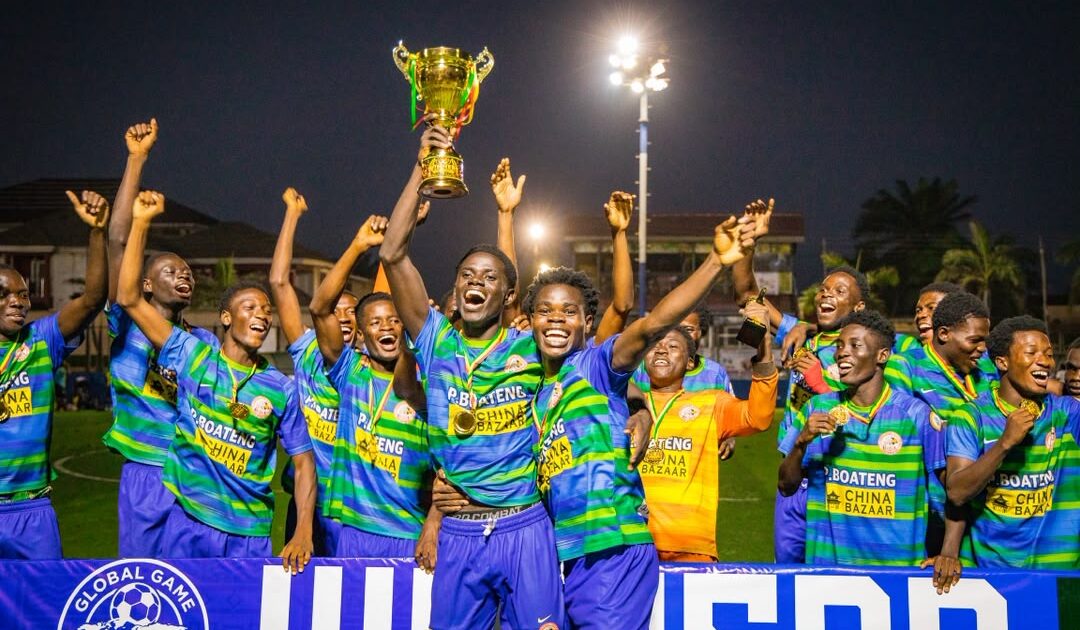
According to the minister, past generations benefited from a clear progression through age‑group teams—Starlets, Satellites, Meteors—culminating in senior national squads. Reinstating a comparable framework, he argued, is vital for restoring Ghana’s competitive edge on the global stage.
Background & Context
Historically, Ghana produced clusters of talent that advanced through well‑defined pathways, feeding the Black Stars and women’s senior teams. That continuity eroded as scouting became sporadic and domestic leagues weakened, leaving a gap between raw ability and elite performance.
The minister highlighted that contemporary football ecosystems worldwide rely on coordinated talent identification, scientific coaching, and continuous competition exposure. Ghana’s current model, he warned, resembles a selection‑only approach that neglects long‑term player growth.
Proposed Development Framework
Central to the proposal is a multi‑tiered system that integrates early scouting, structured coaching curricula, and systematic data collection. The plan calls for dedicated resources to train coaches in sports science, establish regular inter‑age tournaments, and create transparent criteria for moving players between the Starlets, Satellites and Meteors.
Additionally, the minister urged the media to play an active role in promoting grassroots initiatives and holding stakeholders accountable. By aligning clubs, the Ghana Football Association and educational institutions, the framework aims to generate a steady flow of talent ready for senior national duties.
Implications for Ghanaian Football
If executed, the roadmap could revitalize domestic leagues, offering young athletes competitive platforms at home rather than relying on overseas opportunities. Stronger local competitions are expected to raise the overall standard of play, which in turn would enhance the performance of national squads in continental and global tournaments.
The emphasis on deliberate planning also positions Ghana to compete with nations that have institutionalized youth development, reducing the reliance on occasional “miracle” talents and fostering a sustainable pipeline of professional players.
Looking Ahead
Implementation will require coordinated financing, policy support and continuous monitoring. Stakeholders have been invited to convene working groups that will translate the minister’s vision into actionable programs over the next two years.
Success will be measured by the emergence of home‑grown players in senior squads and the competitiveness of Ghanaian clubs in regional competitions, signaling a restored foundation for the nation’s football future.



0 Comments
Leave a Comment
No comments yet. Be the first to share your thoughts!