
Key Takeaways
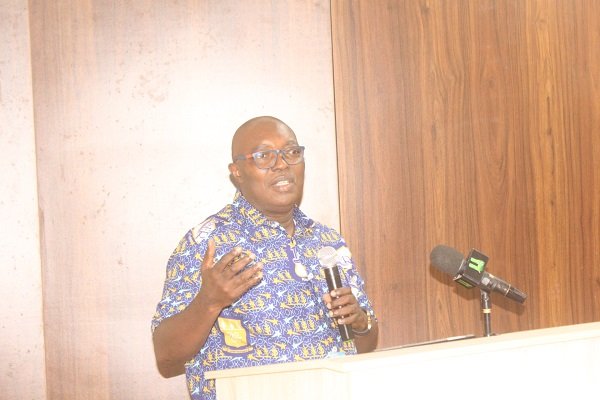
- The Director of the Institute of Statistical and Economic Research (ISSER) has called on the government to place employment-led growth at the centre of its economic policies.
- Strong macroeconomic indicators may have little impact if they do not translate into decent and sustainable jobs for Ghanaians.
- Policymakers are urged to align fiscal and development strategies with job creation and long-term economic transformation.
The Institute of Statistical and Economic Research (ISSER) has emphasized the need for the government to adopt an employment-led growth strategy in its economic policies. This approach prioritizes creating decent and sustainable jobs for Ghanaians, rather than solely focusing on strong macroeconomic indicators.
According to ISSER, recent economic data suggests an improvement in growth across key sectors, but the quality of that growth and its ability to create employment remains a crucial measure of success. The director noted that while the industrial sector has rebounded strongly, with a growth of 6.9% in the first half of 2026, significant challenges persist, particularly in mining and quarrying.
Background & Context
The push for employment-led growth is not a new concept, but it has gained momentum in recent years. The idea is rooted in the understanding that economic growth, while essential, is not the only indicator of a country's success. The quality of jobs created, their sustainability, and the impact on poverty reduction and income inequality are also critical factors to consider.
Ghana's economic growth has been driven primarily by the services sector, with the information and publication sub-sector being a significant contributor. However, ISSER's review of the 2026 Mid-Year Budget Review and Economic Policy of Government highlights the need for policymakers to pay closer attention to the quality of jobs being created.
Key Findings
The ISSER review points to a strong rebound in the industrial sector, driven by mining and quarrying. However, the director cautions that significant challenges persist, including the environmental impact of mining activities. ISSER urges policymakers to incorporate environmental costs into national economic accounting through a "green GDP" framework.
The construction sector, on the other hand, has shown below-expectation growth of 1.3% in the first half of 2026. ISSER attributes this to the contraction of quarrying, partly due to the effects of illegal mining. The director stresses that policymakers must address these challenges to improve economic performance and promote sustainable development.
Broader Implications
The call for employment-led growth has far-reaching implications for Ghana's economic development. It requires policymakers to rethink their approach to job creation, focusing on sustainable and decent work that promotes poverty reduction and income equality. This approach also emphasizes the need for investment in infrastructure, equipment, and student support in the tertiary education sector.
The implementation of a "green GDP" framework would also have significant implications for Ghana's economic policies. It would require policymakers to consider the environmental costs of economic activities and incorporate these costs into national economic accounting. This approach would provide a more accurate picture of Ghana's economic performance and inform policy decisions.
Looking Ahead
The government's response to ISSER's call for employment-led growth will be crucial in determining the country's economic trajectory. Policymakers must prioritize job creation and sustainable economic development, aligning fiscal and development strategies with these goals. This requires a comprehensive review of tertiary education financing and investment in infrastructure, equipment, and student support.
The implementation of a "green GDP" framework would also be an important step towards promoting sustainable economic development. It would require policymakers to consider the environmental costs of economic activities and incorporate these costs into national economic accounting. This approach would provide a more accurate picture of Ghana's economic performance and inform policy decisions.





0 Comments
Leave a Comment
No comments yet. Be the first to share your thoughts!