

Key Takeaways
- Adequate human capability is identified as the critical bottleneck in Africa’s renewable‑energy rollout.
- Policy assessments that include skill‑development, local job creation and knowledge transfer can reshape investment decisions.
- Cross‑border collaboration and integrated markets are positioned as the catalyst for scalable, sustainable projects.
- The transition is framed as an industrialisation opportunity rather than a pure environmental initiative.
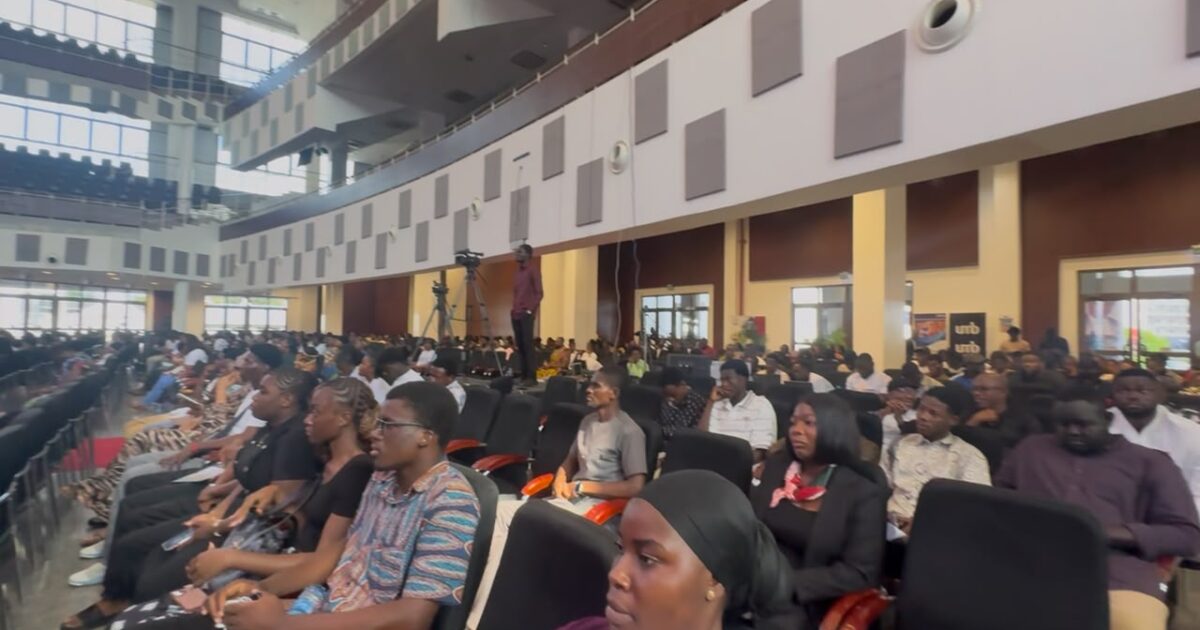
The 2026 Anglophone Africa Extractive Industries Knowledge Hub Summer School in Accra underscored that billions earmarked for solar farms and transmission networks will not deliver lasting impact without a parallel surge in human capital. Participants from twelve countries examined how the continent’s renewable‑energy ambition must move beyond capital, technology and policy to include engineers, regulators, educators and entrepreneurs capable of operating, maintaining and innovating the systems.
Energy projects rely on a chain of expertise that begins with design, continues through installation, and persists throughout operation and de‑commissioning. In the absence of locally trained engineers and technicians, imported equipment remains dependent on external service contracts, inflating long‑term costs and exposing projects to supply‑chain disruptions. Developing this expertise requires coordinated investment in vocational training, university curricula and on‑the‑job apprenticeship programmes. Countries that have embedded such pathways—such as South Africa’s renewable‑energy apprenticeship scheme—demonstrate higher rates of equipment uptime and lower reliance on foreign consultants.
Human Infrastructure as a Strategic Asset
Traditional project metrics focus on installed capacity, capital outlay and emissions avoided. The Summer School proposed additional indicators: number of local technicians certified, proportion of maintenance contracts awarded to domestic firms, and volume of research conducted by African institutions on emerging storage technologies.
When these criteria are applied, a 500‑MW solar farm in Ghana, for example, could be evaluated not only on its power output but also on the creation of a regional training hub that supplies skilled labor to neighboring countries. Such an approach aligns financial returns with capacity‑building outcomes.
From Megawatts to Skills: Rethinking Project Success
Fragmented national strategies limit economies of scale. Integrated grids and shared investment platforms enable pooled resources, risk mitigation and the emergence of continent‑wide value chains for components such as inverters, battery modules and smart‑grid software.
By leveraging the abundant mineral deposits that feed clean‑technology supply chains, African states can transition from raw‑material exporters to manufacturers of high‑value components. This shift requires coordinated industrial policies, harmonised standards and access to regional capital markets.
Regional Integration and Industrialisation
Future energy policies are likely to embed capacity‑building clauses within procurement contracts, mandating knowledge‑transfer milestones and local‑content thresholds. Monitoring bodies will need to track these qualitative outcomes alongside quantitative power metrics.
If the continent succeeds in aligning investment with human‑infrastructure development, the energy transition could become a catalyst for broader industrial growth, job creation and technological sovereignty.
Looking Ahead
Future energy policies are likely to embed capacity‑building clauses within procurement contracts, mandating knowledge‑transfer milestones and local‑content thresholds. Monitoring bodies will need to track these qualitative outcomes alongside quantitative power metrics.
If the continent succeeds in aligning investment with human‑infrastructure development, the energy transition could become a catalyst for broader industrial growth, job creation and technological sovereignty.





0 Comments
Leave a Comment
No comments yet. Be the first to share your thoughts!