
Key Takeaways
- Kwadwo Bempah secured almost 90% of votes to become Assistant General Superintendent of Holy Hill Chapel.
- The 32nd Biennial General Council convened in Gomoa Fetteh, Central Region, electing a full leadership slate for the next four years.
- The election reflects broader trends of institutional consolidation within Ghana’s Pentecostal networks.
- Rev. Wengam was reaffirmed for a second term, ensuring continuity in the church’s strategic direction.
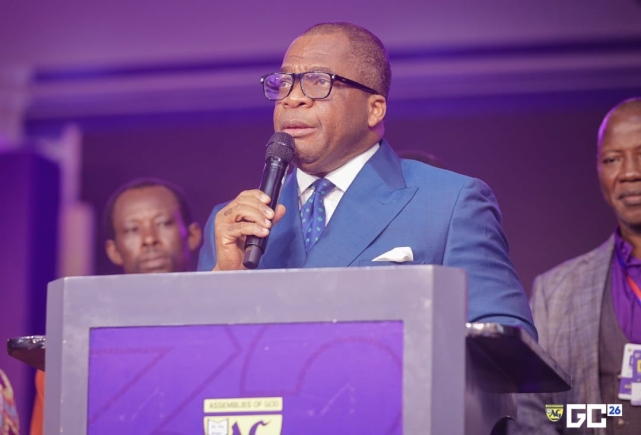
The Holy Hill Chapel, a prominent congregation in Accra’s Adabraka district, concluded its 32nd Biennial General Council on August 21, 2026. Delegates gathered at Gomoa Fetteh in the Central Region to cast ballots for the church’s senior leadership.
Among the outcomes, Kwadwo Bempah emerged as Assistant General Superintendent with nearly nine‑tenths of the votes, while Rev. Wengam secured a renewed four‑year term as General Superintendent. The session also appointed a new General Secretary and General Treasurer, completing the executive roster.
Background & Context
Holy Hill Chapel traces its origins to the early 1990s, when a modest prayer group expanded into a multi‑site megachurch. Over three decades, the organization has positioned itself as a hub for urban ministry, youth outreach, and social services in Accra. Its governance model mirrors that of larger Pentecostal denominations, emphasizing periodic elections to legitimize authority.
The biennial council serves as the highest decision‑making forum, convening representatives from regional branches, ministry leaders, and lay delegates. Historically, these gatherings have addressed doctrinal alignment, financial stewardship, and strategic expansion, making the election of officers a pivotal moment for the denomination’s trajectory.
Election Results and Immediate Impact
Kwadwo Bempah’s vote share—approximately 90%—signals broad consensus among council members. As Assistant General Superintendent, his portfolio includes oversight of discipleship programs, regional planting initiatives, and coordination of charitable outreach. The margin also suggests limited opposition, reflecting either strong internal alignment or a streamlined candidate field.
Rev. Wengam’s re‑election for a second term reinforces continuity in vision. His tenure has been marked by the launch of a community health clinic and a digital evangelism platform that reached over 200,000 online viewers during the pandemic. The newly appointed General Secretary and Treasurer are tasked with enhancing administrative transparency and fiscal accountability.
Broader Implications for Ghanaian Pentecostalism
The election underscores a pattern of professionalized leadership within Ghana’s rapidly growing Pentecostal sector. Churches are increasingly adopting corporate‑style governance, integrating strategic planning, and leveraging data‑driven ministry metrics. Such structures aim to sustain growth while navigating regulatory scrutiny from the Ministry of Information and the Ghana Revenue Authority.
Analysts note that the consolidation of power in seasoned leaders can both stabilize operations and risk marginalizing emerging voices. The Holy Hill Chapel’s approach—pairing seasoned oversight with youth‑focused initiatives—may serve as a model for balancing institutional memory with generational renewal.
Looking Ahead
The forthcoming four years will test the council’s capacity to translate electoral mandates into measurable community impact. Priorities identified at the meeting include expanding vocational training programs, scaling the health clinic’s services, and deepening digital engagement across rural districts.
Monitoring mechanisms, such as quarterly financial disclosures and independent audit committees, are slated for implementation. These steps aim to bolster donor confidence and align the church’s growth with broader national development goals.



0 Comments
Leave a Comment
No comments yet. Be the first to share your thoughts!