
Key Takeaways
- Thirteen of the eighteen clubs (72%) will be managed by Ghanaian coaches for the 2026/27 season.
- Five clubs (28%) have retained foreign technical directors, reflecting a minority presence.
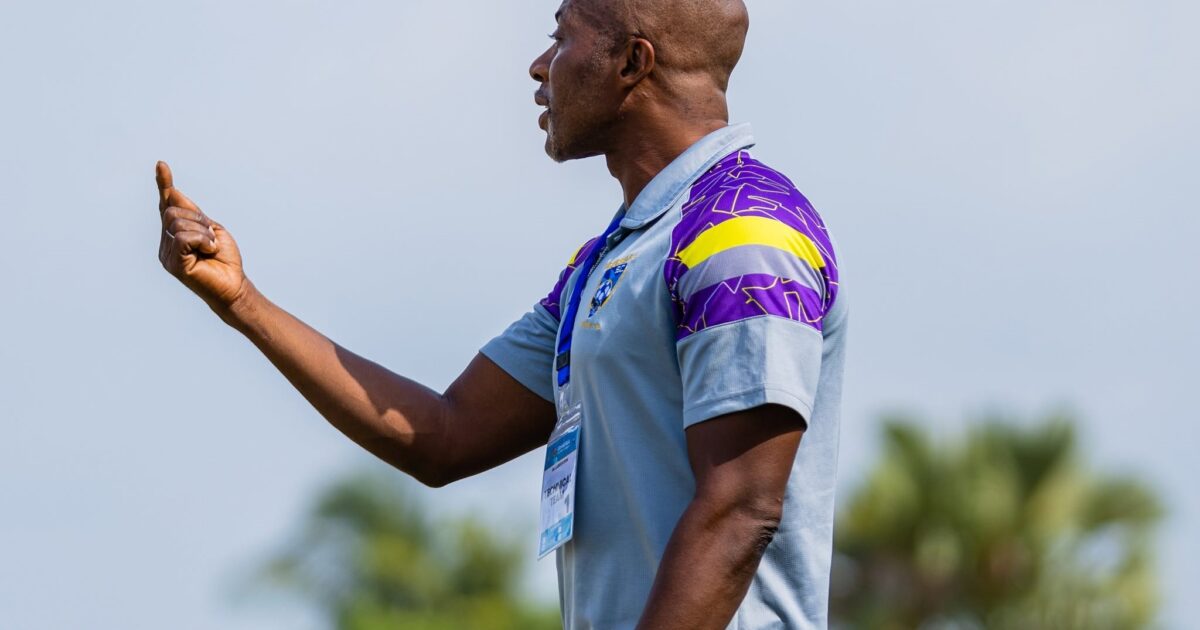
- Veteran locals such as Ibrahim Tanko (Medeama SC) and Samuel Boadu (Aduana FC) anchor the homegrown cohort.
The upcoming Ghana Premier League season marks a decisive shift toward indigenous leadership on the touchline. A majority of clubs have placed trust in domestic tacticians, signaling confidence in homegrown strategic acumen.
This trend arrives amid broader discussions about talent development, resource allocation, and the competitive trajectory of Ghanaian football.
Background & Context
Historically, the GPL has oscillated between local and foreign coaching appointments. In the early 2000s, foreign expertise was frequently sought to import tactical innovations and raise league standards. Over the past decade, however, a concerted effort by the Ghana Football Association and club executives has emphasized the cultivation of native coaching pipelines.
The current composition reflects the outcomes of targeted coaching certification programs, mentorship schemes, and increased investment in local football academies. As a result, a new generation of Ghanaian coaches now possesses UEFA‑B equivalents, CAF licensing, and exposure to modern analytical tools.
Local Coaching Landscape
Among the Ghanaian cohort, Ibrahim Tanko brings experience from both playing abroad and serving as assistant coach for the national team. Samuel Boadu, known for his data‑driven approach at Aduana FC, has pioneered youth integration strategies that have yielded multiple league titles. Other notable figures include Kobina Amissah at Swedru All Blacks and Kwaku Danso at Berekum Chelsea, each credited with stabilizing club performances amid financial constraints.
The depth of the local roster extends beyond headline names. Coaches such as Abdulai Gazale (Basake Holy Stars) and Christopher Annin (Port City) illustrate the spread of qualified leadership across smaller market clubs, suggesting a democratization of tactical knowledge throughout the league hierarchy.
Foreign Appointments and Their Significance
Five clubs have opted for expatriate managers: Bibiani Gold Stars under Greek coach Petros Koukouras, Asante Kotoko led by South African Eric Tinkler, Hearts of Oak with Bosnian Nebojša Kapor, Vision FC guided by Montenegrin Predrag Jeredić, and Heart of Lions under Turkish Kasım Gökyıldız. Their presence introduces alternative tactical philosophies and may serve as comparative benchmarks for domestic peers.
These appointments also highlight the market dynamics of coaching contracts in West Africa, where foreign coaches often command higher remuneration but bring distinct scouting networks and exposure to continental competitions.
Broader Implications
The predominance of Ghanaian coaches could accelerate the development of a distinct national playing style, blending physicality with emerging analytical frameworks. Successes achieved under local stewardship may inspire further investment in coaching education, potentially reducing reliance on imported expertise.
Conversely, the limited foreign representation may constrain cross‑cultural exchange, a factor that could affect the league’s ability to adapt to evolving global trends. Balancing indigenous growth with strategic foreign inputs will likely shape the GPL’s competitive edge in the next decade.
Looking Ahead
As the season unfolds, performance metrics will test the hypothesis that domestic coaches can match or exceed the results historically associated with foreign leadership. Clubs will monitor player development trajectories, tactical adaptability, and league standings to assess the efficacy of their coaching choices.
Stakeholders—including sponsors, media, and the Ghana Football Association—will watch closely, recognizing that coaching composition may influence everything from fan engagement to international scouting interest.


0 Comments
Leave a Comment
No comments yet. Be the first to share your thoughts!