
Key Takeaways
- The President has pledged to end the double-track system in senior high schools by 2027.
- A $500 million World Bank agreement aims to improve feeder roads across the country, with the Volta Region set to benefit.
- The government's goal is to have all senior high school students attend classes under a single academic calendar.
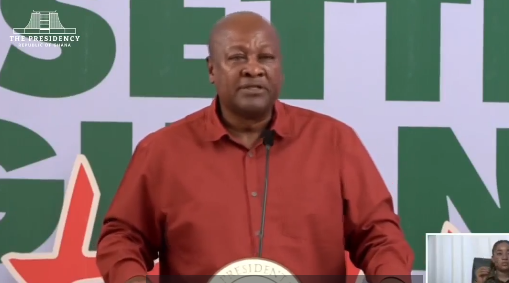
The President of Ghana, John Dramani Mahama, has announced plans to implement a single academic calendar for senior high schools across the country. Speaking during his 'Resetting Ghana Tour' in the Volta Region, the President emphasized the government's commitment to ensuring all students attend classes under a unified schedule, effectively ending the double-track system.
The double-track system, introduced in 2018, involves the division of students into two groups to share school facilities, resulting in a staggered academic calendar. However, this system has been widely criticized for its inefficiencies and challenges in providing quality education.
Background & Context
The decision to reform the education sector is part of the government's broader efforts to improve the country's human development index. Ghana has made significant strides in increasing access to education, but the quality of education remains a concern. The introduction of the single academic calendar is expected to address issues related to resource allocation and student performance.
According to the President, the government's target is to have all senior high school students attend classes under a single academic calendar by 2027. To achieve this goal, the government plans to construct new schools and expand existing educational facilities. This initiative is seen as a crucial step towards improving the country's education sector and ensuring that students receive a quality education.
Key Findings
The President also announced a $500 million World Bank agreement aimed at improving feeder roads across the country. The Volta Region is set to benefit from this project, which is expected to enhance transportation infrastructure and promote economic development in the region.
The President emphasized the importance of investing in education and infrastructure to drive economic growth and development. The government's commitment to improving the education sector is expected to have a positive impact on the country's human development index and overall economic performance.
Broader Implications
The implementation of a single academic calendar has the potential to improve the quality of education in Ghana. By addressing the challenges associated with the double-track system, the government can ensure that students receive a consistent and quality education. This, in turn, can lead to improved student outcomes and a more skilled workforce.
The government's efforts to improve education and infrastructure are also expected to have a positive impact on the country's economic development. By investing in human capital and infrastructure, the government can create a more conducive environment for businesses to operate and for economic growth to occur.
Looking Ahead
The government's commitment to implementing a single academic calendar by 2027 is a significant step towards improving the education sector in Ghana. However, the success of this initiative will depend on the effective implementation of the plan and the allocation of sufficient resources to support it.
The government will need to work closely with stakeholders, including teachers, students, and parents, to ensure that the transition to a single academic calendar is smooth and effective. With careful planning and execution, the government can achieve its goal of providing a quality education to all senior high school students in Ghana.





1 Comment
Leave a Comment
Prince
Jul 17, 09:34 PMWe are back 👍