
Key Takeaways
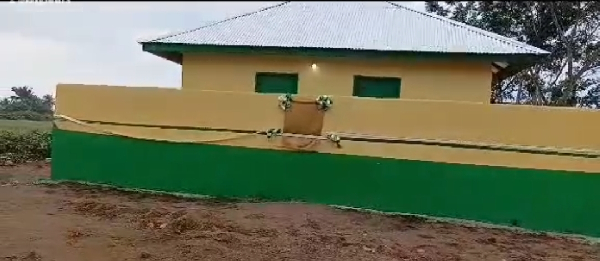
- Teacher Nyamekye Moses constructed a modern six‑seat toilet for Uthman Bun Affan Islamic Senior High School.
- The facility targets improved sanitation for female students in the Ellembelle District.
- School officials described the intervention as timely and life‑saving.
- The handover ceremony took place on the school compound with community leaders present.
In Kamgbunli, Ellembelle District, a newly built six‑seat water closet has been installed at Uthman Bun Affan Islamic Senior High School, addressing longstanding sanitation gaps for its student body.
The project, financed and constructed by professional teacher Nyamekye Moses, was formally transferred to headmaster Alhaji Osman Abubakari in a brief ceremony attended by school officials and parents.
Background & Context
Rural secondary schools in Ghana have historically struggled with inadequate sanitation infrastructure, a challenge amplified for female students who often face privacy and safety concerns during menstruation. National surveys indicate that over 30 % of Ghanaian schools lack gender‑separate toilet facilities, contributing to absenteeism and health risks.
Islamic senior high schools, such as Uthman Bun Affan, operate within a dual framework of religious education and national curriculum, yet they receive comparable funding constraints as public institutions. The Western Region, while economically vibrant due to mining and agriculture, still exhibits disparities in school amenities between urban centers and peripheral communities.
Impact on Student Health and Attendance
Access to a functional, gender‑appropriate toilet directly influences female students’ ability to attend classes regularly. Studies by the Ghana Education Service link improved sanitation to a 12 % reduction in dropout rates among adolescent girls. The six‑seat design allows multiple users simultaneously, reducing wait times and enhancing privacy.
Beyond attendance, the facility supports menstrual hygiene management, a critical yet under‑addressed aspect of adolescent health. By providing a clean environment, the school can integrate health education programs that align with the Ministry of Health’s guidelines on reproductive health.
Community and Institutional Response
Alhaji Abubakari, speaking on behalf of the school’s board, management, staff, students, and parents, praised the intervention as "timely and life‑saving," underscoring the collective relief felt by the community. Local leaders view the project as a model for public‑private partnership in education infrastructure.
The involvement of a single educator highlights a growing trend of individual stakeholders stepping in where governmental resources lag. Such initiatives are increasingly documented in Ghana’s development discourse as complementary to formal budget allocations.
Looking Ahead
Stakeholders anticipate that the new toilet will serve as a catalyst for additional improvements, including water supply upgrades and hygiene education workshops. The school’s administration plans to monitor usage patterns and health outcomes to inform future investments.
Policy analysts suggest that scaling similar projects across the Western Region could accelerate progress toward Sustainable Development Goal 6, which targets universal access to safe water and sanitation by 2030. Collaborative funding models may become essential to replicate this success nationwide.






0 Comments
Leave a Comment
No comments yet. Be the first to share your thoughts!