

Key Takeaways
- NPP’s Mike Oquaye Jr. says Alexander Afenyo‑Markin’s comments on potential bail conditions for Sammy Gyamfi are political talk.
- The exchange reflects a broader pattern of Ghanaian politicians framing legal matters as partisan leverage.
- References to past accusations, such as the 2016 gold‑reserve claim, illustrate the longevity of this rhetorical strategy.
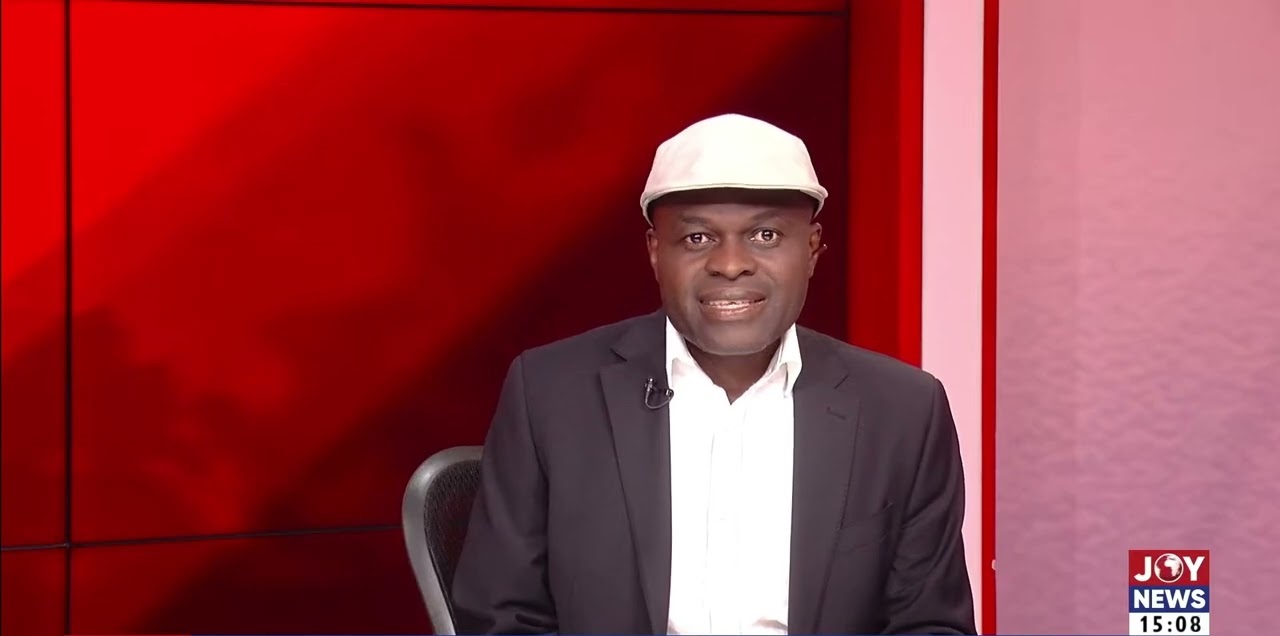
Mike Oquaye Jr., the former New Patriotic Party parliamentary candidate for Dome‑Kwabenya, rejected recent statements by Minority Leader Alexander Afenyo‑Markin regarding possible future bail restrictions on opposition lawyer Sammy Gyamfi. Oquaye framed the remarks as partisan discourse rather than a substantive legal development.
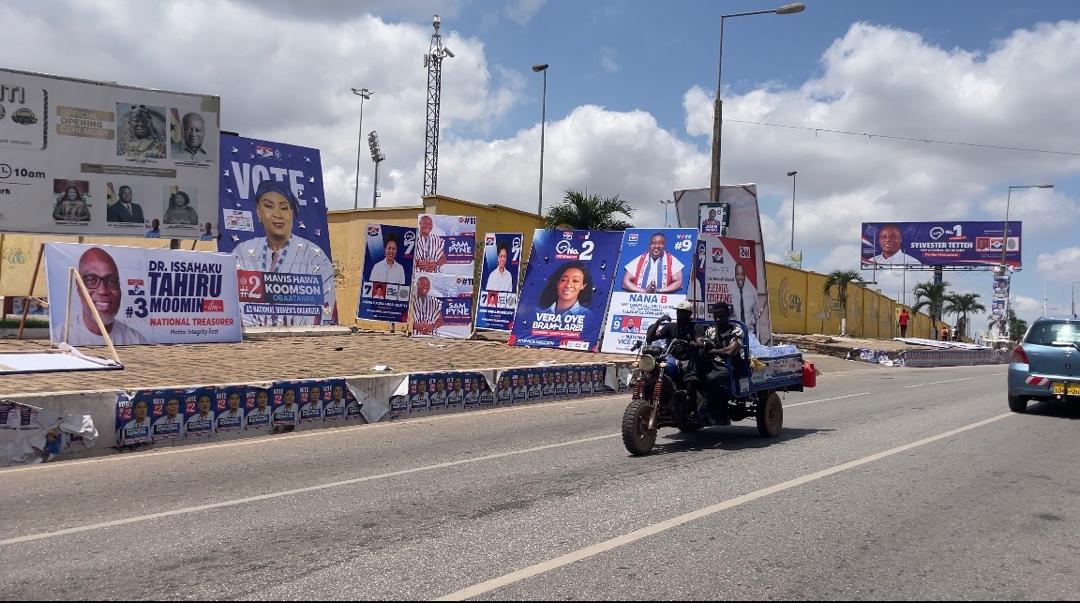
The episode emerged amid heightened political tension ahead of the upcoming elections, prompting observers to examine how legal narratives are deployed as tools of political contestation.
Political Context of Bail Discussions
Ghanaian law permits courts to impose bail conditions that reflect the seriousness of the alleged offence and the risk of flight. Calls for stricter bail on a high‑profile opposition figure can influence public perception of the judiciary’s independence. By suggesting that Gyamfi may face “onerous” bail, Afenyo‑Markin introduced a narrative that intertwines legal procedure with partisan strategy.
Legal analysts caution that politicising bail decisions risks eroding confidence in due‑process safeguards. The judiciary’s role as an impartial arbiter becomes vulnerable when political actors frame procedural outcomes as victories or defeats.
Historical Echoes of Partisan Rhetoric
Oquaye invoked the 2016 episode when former Minister Fiifi Kwetey alleged former President John Kufuor had removed national gold reserves to a private residence. Kwetey’s claim, later dismissed as political talk, illustrates a recurring tendency to weaponise accusations for electoral gain.
Such historical parallels underscore a pattern where Ghanaian politicians leverage sensational allegations to mobilise bases, often without substantive evidence. The recurrence of this tactic signals a deeper entanglement of political rivalry with national discourse.
Implications for Ghana’s Judicial Process
When legislative leaders publicly speculate on potential judicial outcomes, the separation of powers faces pressure. The judiciary may encounter heightened scrutiny, and defendants could experience prejudicial pre‑trial environments.
International observers note that perceived interference can affect foreign investment and diplomatic confidence. Maintaining a clear boundary between political commentary and judicial decision‑making remains essential for Ghana’s democratic stability.
Looking Ahead
As the electoral calendar advances, both major parties are likely to intensify rhetorical battles. Legal professionals tied to political factions may find themselves at the centre of these disputes, prompting calls for stricter ethical guidelines.
Future developments will hinge on whether political actors respect institutional autonomy or continue to blur the lines between advocacy and adjudication.



0 Comments
Leave a Comment
No comments yet. Be the first to share your thoughts!