
Key Takeaways
- 7,100 delegates will vote for 46 candidates across 12 national positions.
- The election is supervised by the Electoral Commission and takes place at Baba Yara Stadium.
- Former Vice President Mahamudu Bawumia leads the party into the 2028 presidential race.
- Security forces and a 31‑centre voting layout aim to ensure a smooth, night‑free process.
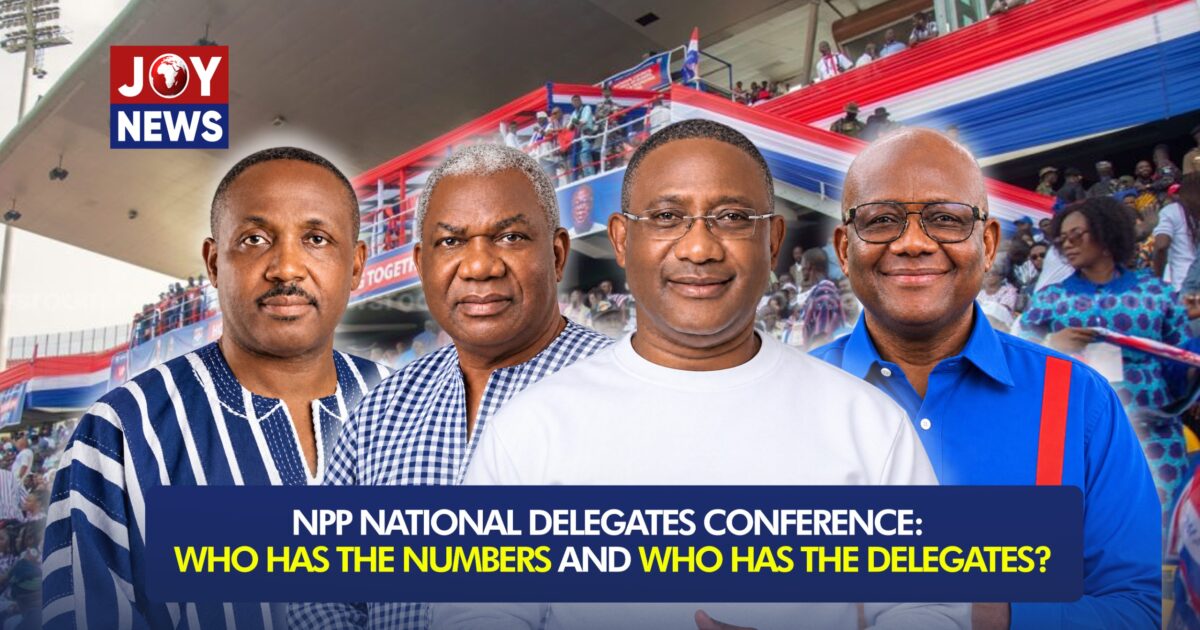
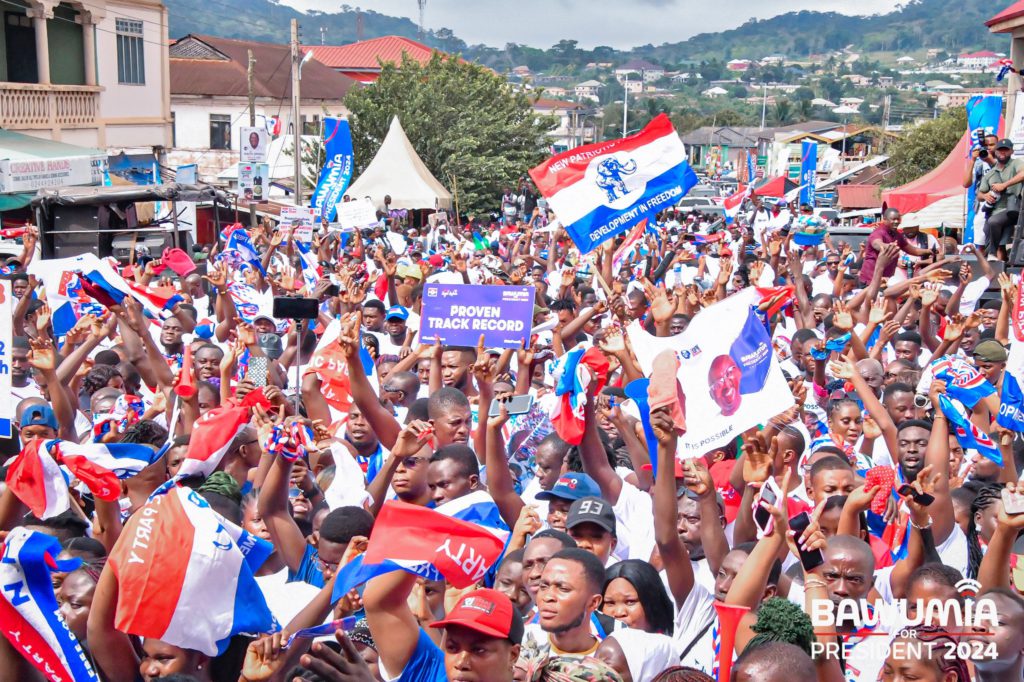
The New Patriotic Party (NPP) convened on Saturday, October 3, at Kumasi’s Baba Yara Sports Stadium to conduct a comprehensive leadership election. The gathering marks the culmination of a nationwide restructuring that began with constituency‑level contests earlier this year.
More than seven thousand delegates representing every region are expected to cast ballots for a slate of national officers who will steer the party through the next electoral cycle. The Electoral Commission, in partnership with the party’s National Officers Elections Committee, oversees the procedure to guarantee compliance with Ghanaian electoral law.
Background & Context
Since its formation in 1992, the NPP has periodically refreshed its internal hierarchy to align with shifting political landscapes. The current reorganisation follows the 2026 presidential primary that confirmed former Vice President Mahamudu Bawumia as the party’s flagbearer for the 2028 contest. Historically, internal elections have served as barometers for party cohesion and have often foreshadowed broader electoral performance.
The decision to host the conference in Kumasi reflects the Ashanti Region’s strategic importance to the NPP, both demographically and symbolically. Past conventions in the region have yielded decisive outcomes, reinforcing the party’s grassroots connections and mobilising its volunteer base.
Candidate Landscape
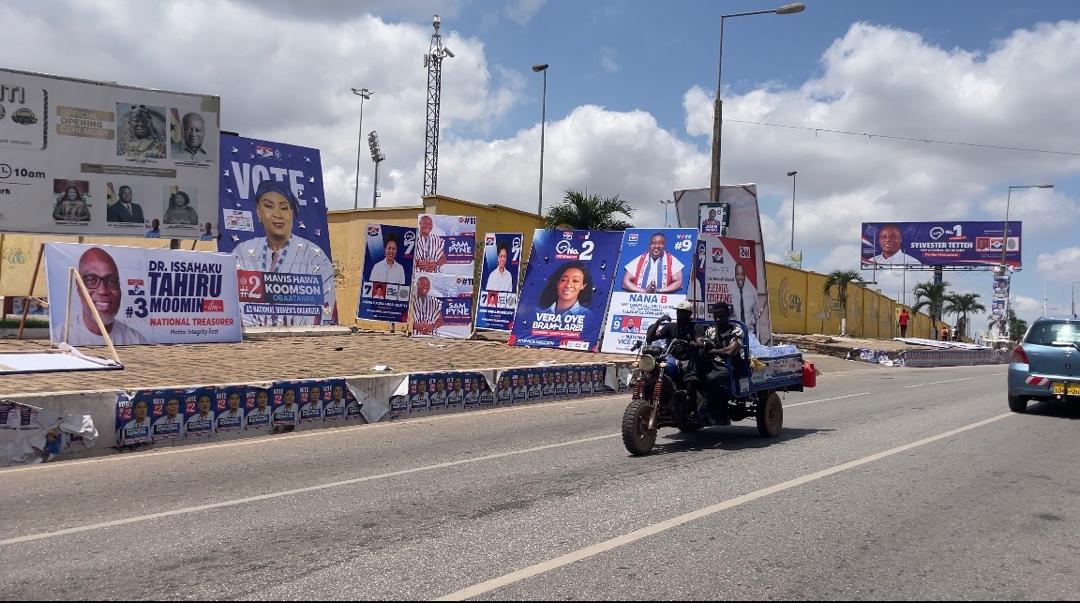
Forty‑six individuals are on the final ballot, contesting twelve national posts ranging from Chairperson to Women’s Organiser. Notable contests include the National Chairperson race, where former General Secretary John Boadu, former Chairman Sammy Crabbe, former MP Paul Afoko, and ex‑Energy Minister Boakye Agyarko vie for the top slot. The Vice‑Chairperson slate, the largest on the ballot, features thirteen aspirants competing for three ranked positions.
Several races are uncontested or have seen withdrawals, such as the National Communications Director role now held solely by Dennis Miracles Aboagye. These dynamics illustrate internal negotiations and strategic withdrawals that can shape the party’s operational focus in the lead‑up to national elections.
Election Mechanics
To expedite voting, the party established thirty‑one voting centres within the stadium, each limited to 400 delegates. Twenty‑one centres handle the primary executive contests, while the remaining ten manage the youth, women’s and Nasara organiser elections. A prior simulation involving police, the Electoral Commission and party officials tested the layout and identified bottlenecks.
Delegates must present a party membership card, voter ID or Ghana Card before receiving a ballot, and are prohibited from photographing marked papers. The Electoral Commission has warned that breaches constitute electoral offences, reinforcing the legal framework that underpins the internal process.
Looking Ahead
The newly elected executives will inherit a party poised for a high‑stakes campaign against the incumbent government in 2028. Their ability to integrate Bawumia’s presidential agenda with grassroots mobilisation will be pivotal in translating internal unity into electoral success.
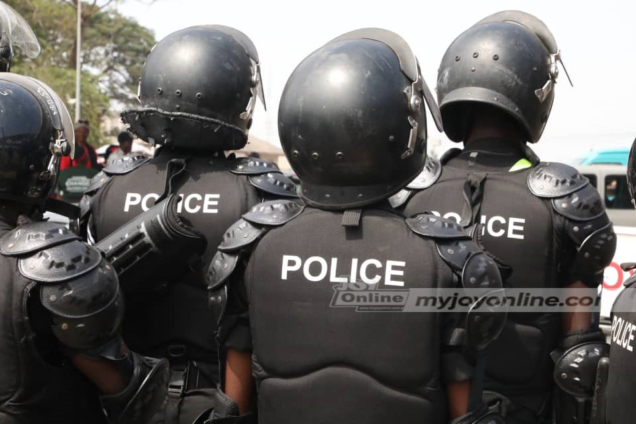
Enhanced security measures, including the deployment of up to four thousand police officers, aim to safeguard the proceedings and maintain public confidence. Successful execution of this election could set a benchmark for internal party democracy in Ghana, influencing how other political formations organise future contests.
0 Comments
Leave a Comment
No comments yet. Be the first to share your thoughts!