

Key Takeaways
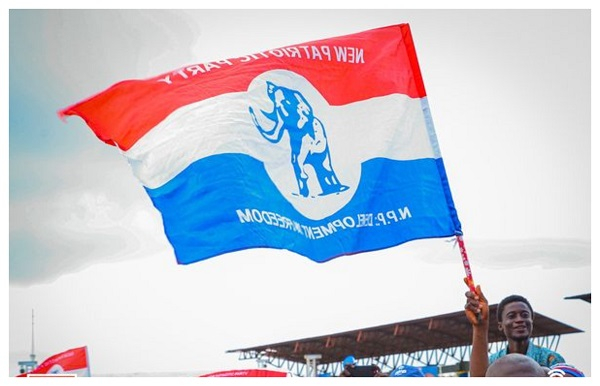
- Nana Agyei Baffuor Awuah, a member of Parliament's Constitutional and Legal Affairs Committee, has clarified the New Patriotic Party's stance on investigations.
- The party is not opposed to investigations but objects to the use of bail conditions to intimidate opposition figures.
- Awuah argued that many opposition members have been investigated without public objection, but concerns arise when bail conditions become contentious.
The New Patriotic Party's position on investigations has been the subject of public debate in recent times. Speaking on JoyFM's Top Story on Friday, July 17, Nana Agyei Baffuor Awuah, a member of Parliament's Constitutional and Legal Affairs Committee, sought to clarify the party's stance.
Awuah emphasized that the party is not opposed to investigations, but rather objects to the manner in which bail conditions are imposed on opposition figures. He argued that the opposition's concerns stem from how security agencies have handled bail conditions in several high-profile cases.
Background & Context
The debate surrounding investigations and bail conditions has been ongoing in Ghana for some time. Critics have accused the government of using investigations and bail conditions as tools to intimidate opposition figures and stifle dissent. The New Patriotic Party has been at the forefront of this debate, with many party members calling for greater transparency and accountability in the handling of investigations and bail conditions.
Awuah's comments on JoyFM's Top Story are the latest development in this ongoing debate. His clarification of the party's stance is expected to provide clarity on the issue and inform the public discourse on the matter.
Key Findings
Awuah's argument is that many opposition members have been investigated without public objection. However, concerns arise when bail conditions become contentious. He cited several high-profile cases where opposition members have been investigated and detained, only to be released on bail with conditions that are deemed unacceptable by the party.
The opposition's concerns, Awuah argued, are not about the investigations themselves, but about the manner in which bail conditions are imposed. He emphasized that the party is not opposed to investigations, but rather seeks greater transparency and accountability in the handling of bail conditions.
Broader Implications
The debate surrounding investigations and bail conditions has far-reaching implications for Ghana's democracy. The use of bail conditions to intimidate opposition figures and stifle dissent is a threat to the country's democratic values and principles. The opposition's concerns, therefore, are not merely about party politics, but about the very fabric of the country's democracy.
Awuah's comments on JoyFM's Top Story highlight the need for greater transparency and accountability in the handling of investigations and bail conditions. The opposition's concerns must be taken seriously, and the government must be held accountable for its actions.
Looking Ahead
The debate surrounding investigations and bail conditions is unlikely to subside anytime soon. The opposition will continue to push for greater transparency and accountability, while the government will likely maintain its stance on the issue. The outcome of this debate will have significant implications for Ghana's democracy and the country's future.
The opposition's concerns, therefore, must be taken seriously, and the government must be held accountable for its actions. The use of bail conditions to intimidate opposition figures and stifle dissent is a threat to the country's democratic values and principles, and must be addressed accordingly.





0 Comments
Leave a Comment
No comments yet. Be the first to share your thoughts!