

Key Takeaways
- Vetting of 2026 NPP national officer aspirants runs from Aug. 31 to Sept. 3.
- Fifty nomination forms were submitted for nine officer positions.
- Balloting date remains pending pending completion of filing, vetting and appeals.
- Party urges unity and adherence to constitutional procedures.
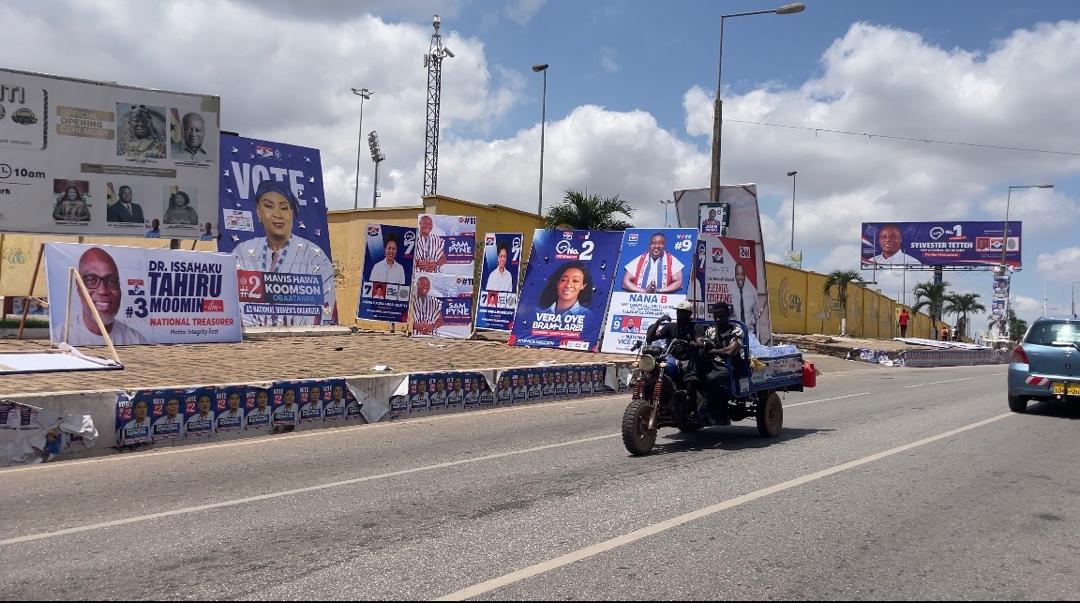
The New Patriotic Party (NPP) announced that the vetting of candidates for its 2026 National Officers Elections will take place over four days, beginning on Monday, August 31 and concluding on Thursday, September 3. The schedule follows the closure of nominations on August 22 and a filing window that ended on August 29.
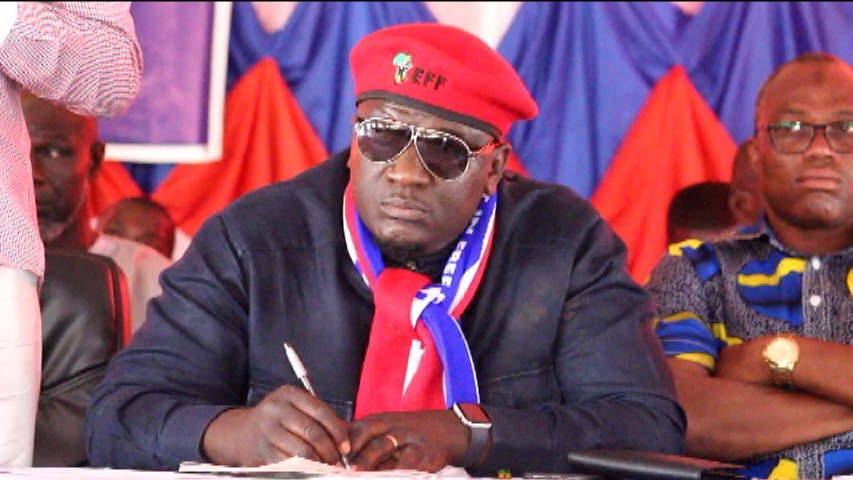
The National Officers Elections Committee, chaired by Frederick Opare‑Ansah, emphasized that purchase of a nomination form does not confer candidacy status; aspirants must submit complete documentation within the prescribed period. The committee also warned that the ballot date will be set only after the vetting and appeal processes are resolved.
Background & Context
The NPP’s internal elections have historically served as a barometer for party cohesion and leadership direction. Past cycles, such as the 2020 officer elections, witnessed intense competition for the chairmanship and secretariat, prompting reforms to the nomination and vetting procedures. The current timetable reflects lessons learned about the need for clear deadlines and transparent vetting to mitigate disputes.
Ghana’s multiparty system places considerable weight on the organizational strength of the ruling party. The NPP, having held the presidency since 2017, relies on a disciplined national executive to implement policy agendas and coordinate election campaigns. Consequently, the composition of its national officers influences both legislative strategy and grassroots mobilization.
Vetting Process Details
The committee allocated specific days for each cluster of positions: the chairperson, general secretary and treasurer on August 31; the vice‑chairperson on September 1; the national organiser and youth organiser on September 2; and the communications director, Nasara organiser and women organiser on September 3. Individual aspirants will receive precise times and procedural instructions through official channels.
Eligibility criteria are anchored in the party constitution, requiring candidates to meet age, membership tenure, and financial disclosure standards. The vetting stage includes verification of submitted documents, background checks, and an opportunity for appeals. This multilayered approach aims to preempt challenges that could disrupt the subsequent ballot.
Implications for Party Unity
By postponing the ballot until the field is definitively settled, the NPP seeks to avoid the procedural disruptions that have marred previous internal contests. The committee’s public call for mutual respect underscores an awareness that factionalism can erode public confidence and affect electoral performance in national polls.
Analysts note that a transparent vetting outcome could reinforce the party’s democratic credentials, enhancing its appeal to undecided voters ahead of the 2026 general election. Conversely, perceived opacity or unresolved appeals may fuel intra‑party dissent, potentially reshaping alliances within the party’s regional structures.
Looking Ahead
The final ballot date will be communicated once the appeals process concludes, allowing the party to schedule a voting window that accommodates all qualified aspirants. Timely resolution of disputes will be critical to maintaining momentum toward the 2026 national elections, where the NPP aims to retain executive power.
Stakeholders, including regional executives and affiliated bodies, will monitor the vetting outcomes closely, as the elected officers will shape candidate selection, campaign messaging, and policy formulation for the next electoral cycle.




0 Comments
Leave a Comment
No comments yet. Be the first to share your thoughts!