
Key Takeaways
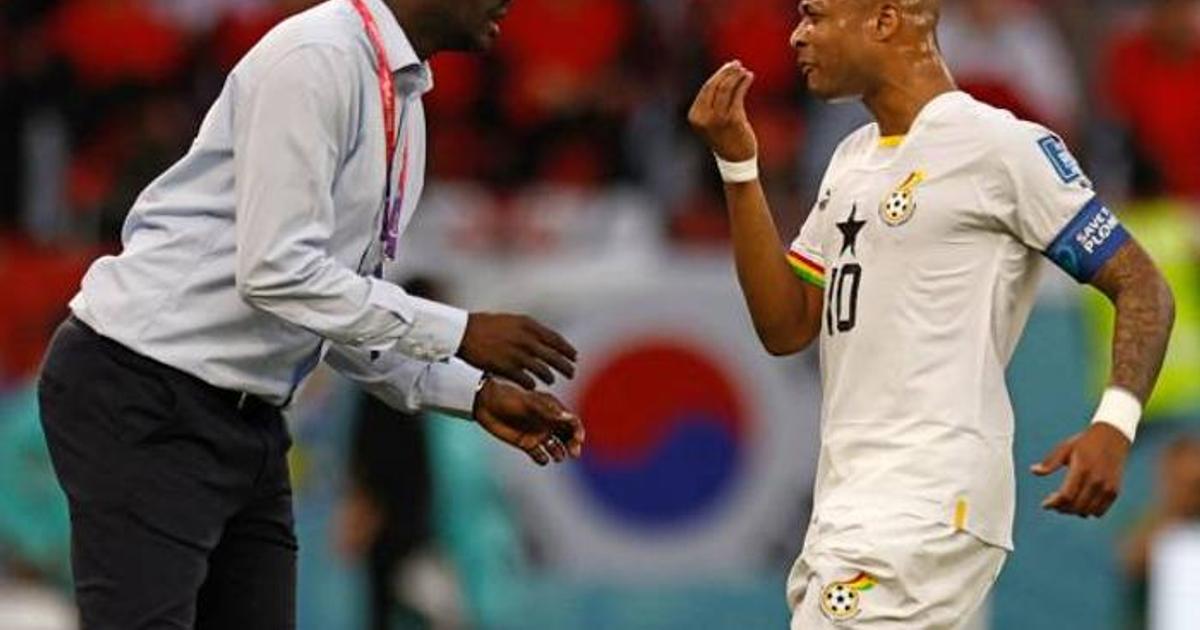
- Otto Addo guided Ghana to its first 2026 World Cup qualification.
- The Ghana Football Association terminated Addo’s contract before the tournament began.
- Former captain Andre Ayew contends the dismissal should have occurred after the 2025 AFCON failure.
- Recent friendly results have raised questions about the squad’s consistency.
Otto Addo secured Ghana’s historic entry into the 2026 FIFA World Cup, ending a 12‑year absence from the tournament. Within weeks of the achievement, the Ghana Football Association announced his dismissal, leaving the Black Stars without a permanent head coach as the competition approaches.
Former national team captain Andre Ayew publicly criticized the timing of the decision, arguing that Addo’s tenure should have ended after Ghana missed the 2025 Africa Cup of Nations. Ayew also highlighted a series of underwhelming friendly matches that followed the World Cup qualification, suggesting deeper systemic issues.
Background & Context
Ghana’s World Cup pedigree includes appearances in 2006, 2010 and 2014, but the team failed to qualify for the 2022 edition. Otto Add0, a former midfielder with European experience, was appointed in 2022 to restore the nation’s footballing stature. His early tenure focused on rebuilding the squad’s tactical discipline and integrating younger talent from the domestic league.
The 2025 AFCON qualification campaign exposed vulnerabilities. Ghana finished outside the top two in its group, missing the continental tournament for the first time since 2008. The failure intensified scrutiny of Addo’s strategic choices, particularly his reliance on a core of veteran players without sufficient rotation.
Ghanaian football governance has historically grappled with frequent coaching changes. The Ghana Football Association’s decision‑making process often reflects a blend of performance metrics, political pressure, and public sentiment, creating an environment where short‑term results can outweigh long‑term planning.
Performance Assessment
Addo’s qualification run hinged on a pragmatic defensive structure and effective counter‑attacking play. The Black Stars recorded decisive victories against lower‑ranked opponents, while securing a crucial away draw against a higher‑ranked side that clinched the final World Cup slot. Tactical flexibility, however, remained limited against stronger opposition.
Following qualification, Ghana engaged in a series of friendlies intended to fine‑tune the squad. The results were mixed: a narrow win against a regional rival, a goalless draw with a North African side, and a loss to a European B team. The inconsistency sparked concerns about player cohesion and the effectiveness of the training regimen.
Player morale appeared affected by the abrupt transition from celebratory qualification to uncertainty over coaching leadership. Several senior players publicly expressed frustration over tactical adjustments, while younger prospects received limited minutes, potentially stalling their development.
Implications for Ghanaian Football
The premature termination of Addo’s contract underscores the volatility of coaching appointments in Ghana. Frequent changes can disrupt continuity, hinder the implementation of long‑term development programs, and erode confidence among emerging talent.
Strategic implications extend to the upcoming World Cup. Without a settled coaching philosophy, the team risks entering the tournament with fragmented tactics and inadequate preparation time. The situation also places pressure on the Ghana Football Association to identify a successor capable of balancing immediate performance with sustainable growth.
Fan expectations remain high after the World Cup qualification, yet the recent friendly outcomes suggest a gap between potential and execution. Addressing this gap will require a coherent vision that aligns youth development pathways with senior team objectives.
Looking Ahead
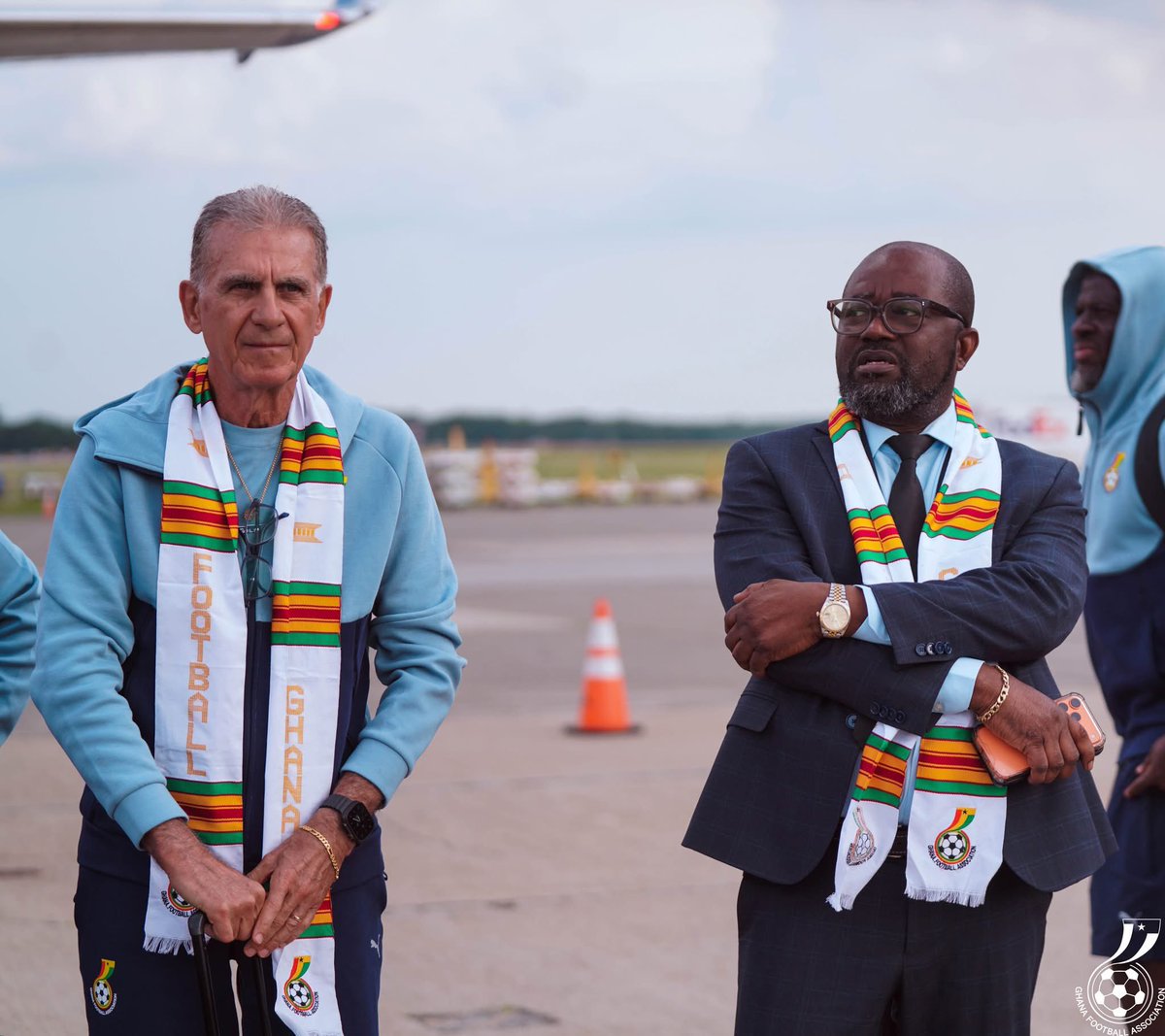
The Ghana Football Association has appointed an interim coach to oversee pre‑World Cup training camps while conducting a nationwide search for a permanent manager. The selection process is expected to prioritize candidates with experience in both African competitions and international tournament preparation.
Ghana’s prospects at the 2026 World Cup will depend on how quickly the new coaching staff can instill tactical clarity, restore player confidence, and integrate the squad’s emerging talents. Successful navigation of these challenges could reaffirm Ghana’s status as a continental powerhouse and set a precedent for more stable football governance.


0 Comments
Leave a Comment
No comments yet. Be the first to share your thoughts!