
Key Takeaways
- The Pan-African Parliament (PAP) has launched three Model Laws to support Member States in harmonizing national legislation.
- The Model Laws focus on gender equality and equity, labour migration, and sustainable soil management.
- The instruments aim to advance the implementation of Agenda 2063 and strengthen policy implementation.
- The Model Laws were developed through extensive consultations involving African Union organs, Member States, parliamentarians, academia, civil society organizations, and development partners.
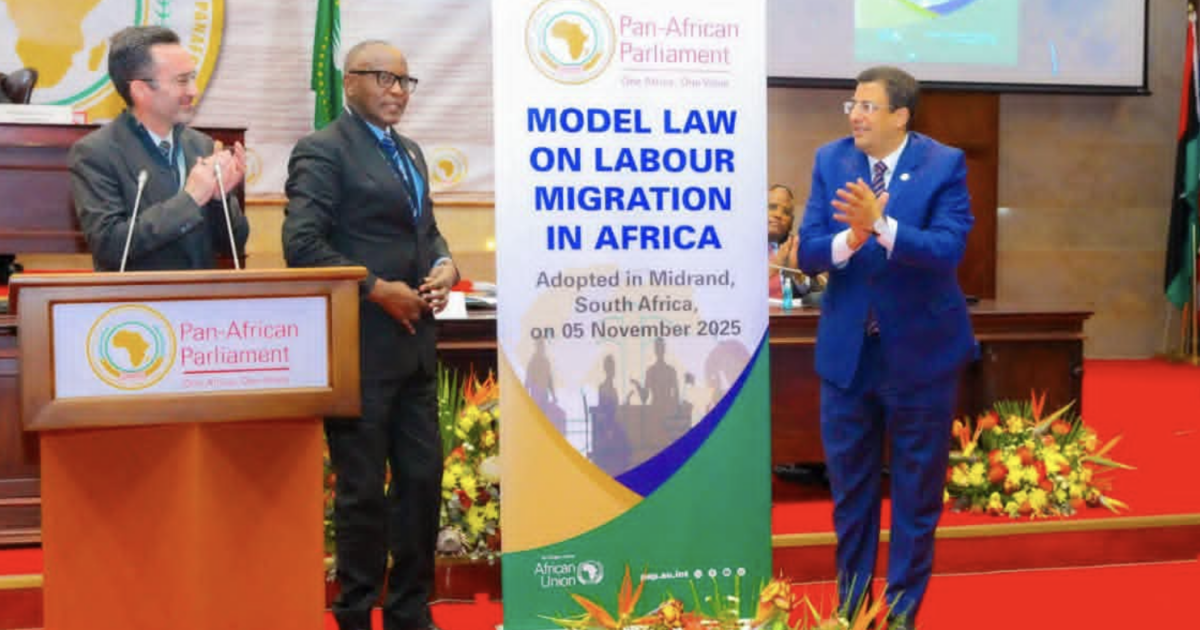
The Pan-African Parliament (PAP) has taken a significant step towards harmonizing national legislation across African Union Member States with the launch of three Model Laws. The instruments, unveiled during the two-day Conference of Speakers of African National and Regional Parliaments, cover gender equality and equity, labour migration, and sustainable soil management.
The Model Laws are designed to support Member States while respecting their sovereignty and diverse legal systems. According to Dr Fateh Boutbig, President of the PAP, the instruments are practical legislative tools that reflect the continent's priorities and aspirations.
Background & Context
The Pan-African Parliament was established in 2004 to promote the integration of African countries and to enhance the role of parliaments in promoting democracy and good governance. Agenda 2063, Africa's long-term framework for inclusive and sustainable growth, serves as a strategic plan to advance unity, self-determination, freedom, progress, and shared prosperity.
The Model Laws are a crucial component of the PAP's efforts to support Member States in aligning national legislation with continental commitments. By providing a harmonized legal framework, the instruments aim to strengthen policy implementation and advance the aspirations of Agenda 2063.
Key Findings
The Model Law on Gender Equality and Equity seeks to promote equal opportunities, increase women's participation in governance and economic empowerment, and address gender-based discrimination and violence. The framework also encourages the inclusion of young people and persons with disabilities in national development and decision-making through legislative reforms.
The Model Law on Labour Migration provides a harmonized legal framework for safe, orderly, and regular labour migration across Africa. The instrument promotes fair recruitment, equal treatment of migrant workers, social protection, labour mobility, and stronger regional cooperation in line with African Union priorities and international labour standards.
The Model Law on Sustainable Soil Management provides legislative guidance to address soil degradation, strengthen soil governance, improve food security, promote sustainable agriculture, and enhance climate resilience.
Broader Implications
The launch of the Model Laws has significant implications for African Union Member States. By adopting and implementing the frameworks, Member States can strengthen policy implementation, advance the aspirations of Agenda 2063, and promote inclusive and sustainable growth.
The Model Laws also reflect the PAP's commitment to promoting democracy and good governance across Africa. By providing a harmonized legal framework, the instruments aim to enhance the role of parliaments in promoting democracy and good governance.
Looking Ahead
The PAP has urged Member States to adopt and implement the Model Laws to support legislative reforms. The instruments are designed to improve the lives of Africans, and their successful implementation will be crucial in advancing the aspirations of Agenda 2063.
The launch of the Model Laws marks a significant step towards harmonizing national legislation across African Union Member States. The PAP's commitment to promoting democracy and good governance, as reflected in the Model Laws, will be crucial in advancing the integration of African countries.






0 Comments
Leave a Comment
No comments yet. Be the first to share your thoughts!