
Key Takeaways
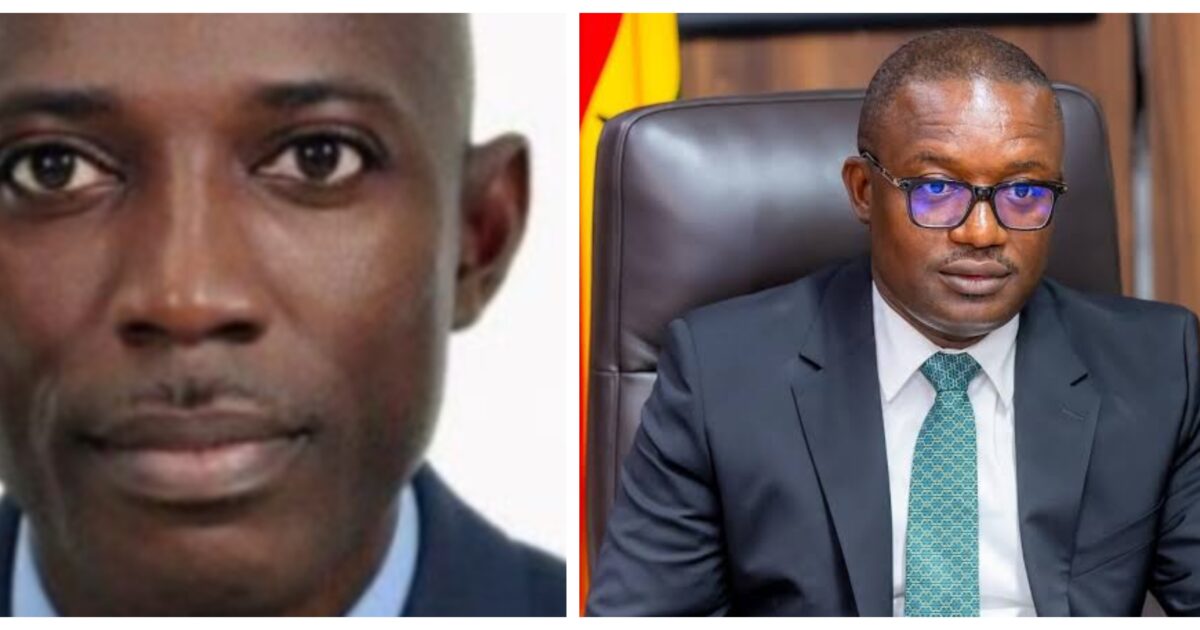
- Deputy Ranking Member Collins Adomako‑Mensah urges GRIDCo and the Energy Minister to testify before Parliament.
- Two major blackouts in less than a month have intensified scrutiny of Ghana’s transmission network.
- The Energy Committee has not received the full audit report on the earlier incident, limiting oversight.
- Parliament plans an emergency session to probe systemic weaknesses and enforce corrective measures.
On August 20, a nationwide blackout disrupted electricity supply across multiple regions, marking the second severe interruption within a month. The incident reignited debate over the reliability of Ghana’s power transmission infrastructure.
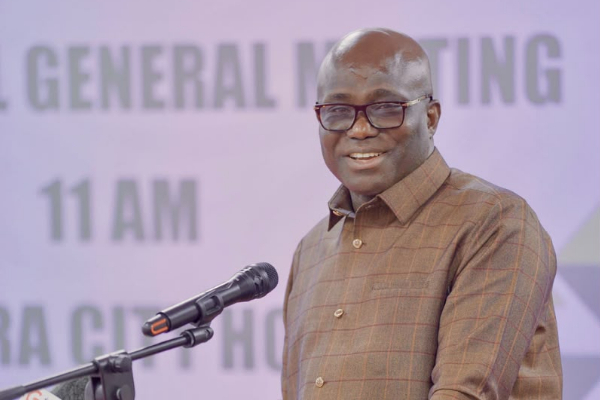
Collins Adomako‑Mensah, deputy ranking member of the Energy Committee, called for immediate parliamentary questioning of the Ghana Grid Company Limited (GRIDCo) and the Energy Minister, citing a pattern of unexplained outages.
Background & Context
Ghana’s electricity grid, managed by GRIDCo since 2011, has faced chronic challenges including aging equipment, funding shortfalls, and periodic demand‑supply mismatches. Historical data show that prolonged outages have previously strained industrial output and household consumption.
The August blackout followed a similar disruption in July, each lasting several hours before service restoration. Both events prompted public outcry and highlighted gaps in real‑time monitoring and contingency planning.
Parliamentary Oversight and Information Gaps
Adomako‑Mensah noted that the Energy Committee has only seen secondary commentary on the earlier incident’s audit report, not the primary document itself. Without the full findings, legislators cannot verify whether recommended infrastructure upgrades have been executed.
During a prior hearing, GRIDCo affirmed that the audit dismissed sabotage, yet the absence of the report hinders independent validation of that claim. The committee’s demand for direct testimony reflects a broader push for transparency in state‑linked utilities.
Broader Implications for Ghana’s Economy
Reliable electricity underpins manufacturing, services, and digital sectors. Recurrent outages elevate operational costs, deter foreign investment, and erode consumer confidence. The cumulative effect can depress GDP growth if systemic issues remain unresolved.
Energy security also intersects with national policy on renewable integration and grid modernization. Persistent transmission failures may delay Ghana’s commitments to expand solar and wind capacity, affecting long‑term sustainability goals.
Looking Ahead
The Energy Committee’s emergency session is slated for the upcoming Monday, where GRIDCo and the Energy Minister are expected to present a detailed account of the outages and the status of remedial actions. Legislative scrutiny may lead to tighter regulatory mandates or accelerated funding for grid upgrades.
Stakeholders anticipate that heightened accountability will catalyze a more resilient power system, essential for economic stability and public welfare.


0 Comments
Leave a Comment
No comments yet. Be the first to share your thoughts!