
Key Takeaways
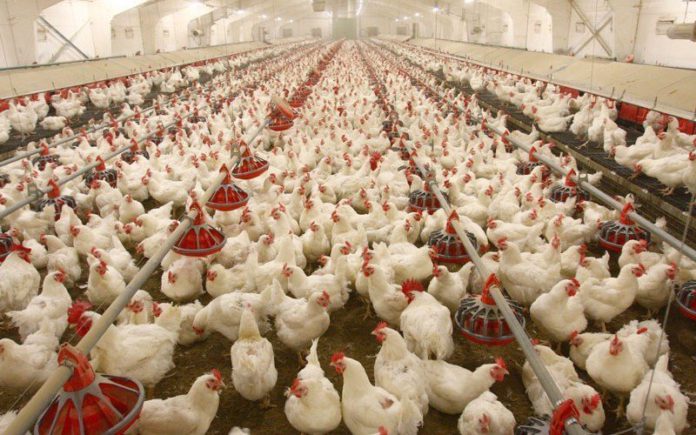
- Minority Leader Alexander Afenyo‑Markin labeled the Nkoko Nkitinkiti initiative a failure after beneficiaries reportedly ate the distributed chicks.
- The programme, launched in 2025 under the Feed Ghana agenda, intended to provide 50‑chick kits, feed and training to thousands of youths.
- Critics, including the Fourth Estate’s July 2026 assessment, note delays and limited uptake across the broader poultry revitalisation effort.
On August 23, 2024, Alexander Afenyo‑Markin, the minority leader in Parliament, accused the government of mismanaging its flagship poultry project. He cited video evidence of beneficiaries slaughtering and consuming the birds that were meant to seed household‑level poultry farms.
The Minister for Food and Agriculture, Eric Opoku, reportedly acknowledged the problem during a session before the Government Assurance Committee, confirming that some recipients had indeed used the chicks for food rather than for production.
Background & Context
The Nkoko Nkitinkiti Household and Backyard Poultry Production Initiative was introduced as a component of the broader Feed Ghana Programme. President John Dramani Mahama formally launched the scheme in Kumasi in November 2025, emphasizing its role in reducing Ghana’s reliance on imported poultry, improving food security, and generating income for young entrepreneurs.
Under the first phase, each beneficiary was to receive 50 day‑old chicks, a starter feed pack and technical guidance. The government projected the distribution of seven million birds by 2026, with an expansion that would include both household owners and commercial farmers.
Implementation Challenges
A July 2026 assessment by The Fourth Estate highlighted that while the backyard component had reached a limited number of households, several elements of the wider poultry revitalisation programme lagged behind schedule. Logistical bottlenecks, delayed training sessions and inconsistent monitoring were cited as primary obstacles.
Reports of beneficiaries consuming the supplied chicks suggest a shortfall in both awareness and enforcement of the programme’s objectives. Without sustained technical support, recipients may prioritize immediate consumption over long‑term business development.
Political and Economic Implications
The criticism arrives as the National Democratic Congress (NDC) prepares its platform for the 2024 general election. The party has pledged to revive the poultry sector through incentives, a “Poultry Farm to Table” project and closer collaboration with farmer associations, positioning the issue as a test of governmental competence.
If the scheme’s intended outcomes—job creation, income diversification and reduced import dependence—remain unrealised, the policy could erode public confidence in the current administration’s capacity to deliver on agrarian reforms.
Looking Ahead
Future success will depend on tighter oversight, reinforced training modules and a clear accountability framework for beneficiaries. Aligning distribution with market access and post‑production support could transform the initiative from a short‑term relief measure into a durable pillar of Ghana’s agricultural economy.
Stakeholders across parliament, the Ministry of Food and Agriculture and private sector partners are expected to convene in the coming months to redesign the programme’s delivery model ahead of the upcoming election cycle.





0 Comments
Leave a Comment
No comments yet. Be the first to share your thoughts!