
Key Takeaways
- Premier League will publish full KMI panel judgments for every major incident.
- RefCam will now broadcast referee‑player audio once or twice each round, though not live.
- The initiative seeks to improve transparency while IFAB continues to restrict live VAR dialogue.
The Premier League announced a suite of transparency measures designed to give supporters a clearer view of officiating decisions. For the first time, the full judgments of the Key Match Incidents (KMI) Panel will be released to the public.
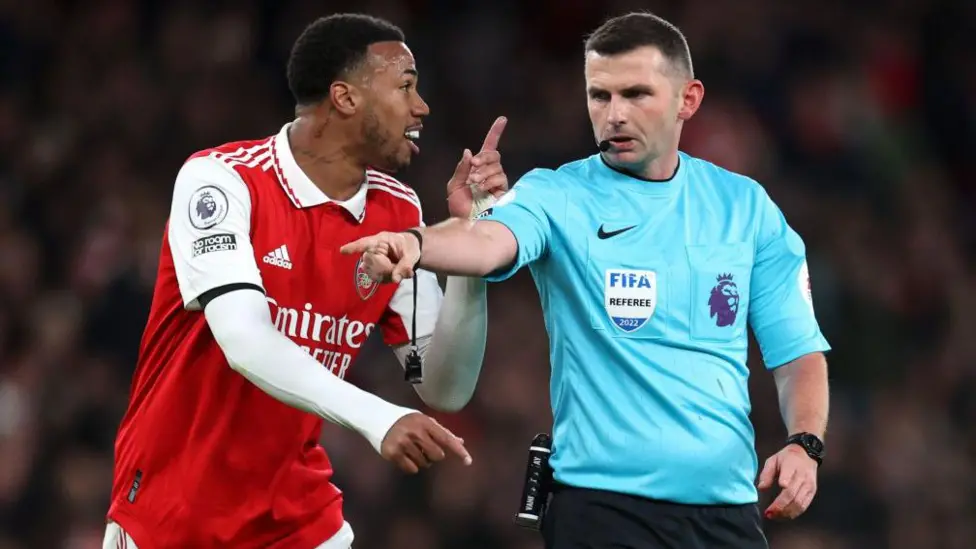
Alongside the expanded RefCam audio, the league will share selected referee and VAR comments on its official channels, aiming to demystify the rationale behind contentious calls.
Background & Context
The KMI Panel, created in 2022 by Premier League clubs, consists of three former players and coaches, a Premier League representative, and a Pro Ref official. Its mandate is to evaluate each significant incident against the laws of the game and the league’s officiating standards.
Historically, the panel’s detailed findings were confined to internal circulation, with occasional leaks to clubs. The decision to publish the full reports marks a shift toward greater openness, complementing existing initiatives such as post‑match official explanations.
How the KMI Panel Operates
Each week the panel reviews incidents ranging from goals and penalties to red cards and non‑reviewable actions like missed second yellows. Members vote by simple majority to determine whether the on‑field decision was correct, and they assess VAR interventions against the “clear and obvious” threshold.
The panel’s conclusions feed into performance‑related payments for referees and generate commentary that will now appear on the league’s Match Centre, website, and app. Data from the previous season showed a decline in VAR errors, dropping from 38 in 2022‑23 to 25 in the most recent campaign.
Broader Implications
By exposing the analytical process behind officiating, the league hopes to reduce speculation and foster informed debate among fans and pundits. Transparency may also pressure the International Football Association Board to revisit its stance on live VAR communication.
The limited use of RefCam audio—restricted to one or two moments per round and excluded from referee‑VAR exchanges—balances the desire for insight with the need to protect the integrity of the decision‑making process.
Looking Ahead
The Premier League has indicated ongoing talks with IFAB to expand permissible VAR disclosures. If successful, future seasons could see real‑time VAR dialogues reach the public sphere.
Continued monitoring of error rates and fan response will determine whether the transparency drive reshapes expectations of officiating across the sport.






0 Comments
Leave a Comment
No comments yet. Be the first to share your thoughts!