
Key Takeaways
- President Mahama denies any cabinet‑approved plan to add Arabic and Chinese to Ghana’s public school curriculum.
- He highlighted ongoing challenges in staffing French language teachers, arguing the timing is impractical.
- Arabic instruction in some schools traces back to a Rawlings‑era initiative aimed at Muslim enrolment, not a new nationwide directive.
- The president urged the public to treat circulating reports as misinformation.
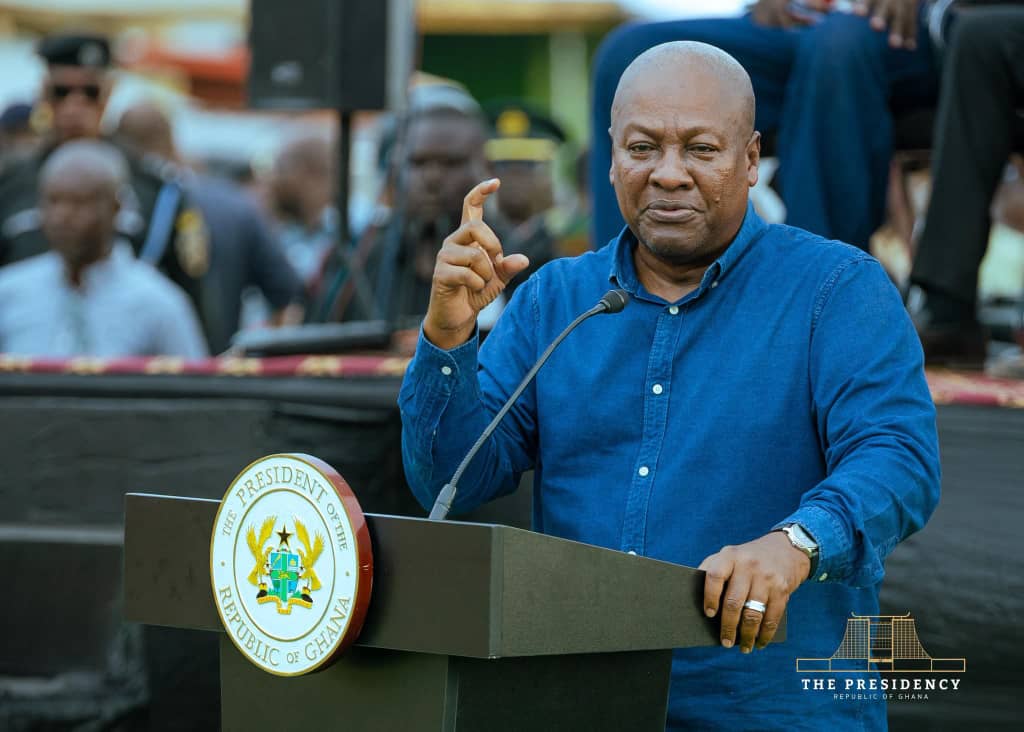
During a citizens’ engagement at the University of Business and Integrated Development Studies in the Upper West Region, President John Dramani Mahama addressed a wave of media speculation that his administration had sanctioned the introduction of Arabic and Chinese as compulsory subjects in public schools. The remarks formed part of his Resetting Ghana Tour, a series of town‑hall meetings intended to recalibrate public expectations ahead of upcoming elections.
Mahama categorically stated that no such policy had passed through the cabinet he chairs, and he called on Ghanaians to dismiss the reports as unfounded. His denial arrived at a moment when language education has become a flashpoint in broader debates about national identity, economic competitiveness, and regional integration.
Policy Rumors and Official Response
The rumor originated from a loosely sourced social‑media post that cited an alleged cabinet decision. Government spokespeople later confirmed the absence of any formal proposal. Mahama’s public clarification underscored the procedural rigor required for curriculum changes, which must pass through the Ministry of Education, the Ghana Education Service, and ultimately receive parliamentary endorsement.
By invoking the cabinet’s procedural gatekeeping, the president reinforced the principle of ministerial accountability. Analysts note that such swift rebuttal helps contain misinformation that could otherwise fuel partisan narratives or distract from pressing policy agendas.
Historical Roots of Arabic Instruction in Ghanaian Schools
Arabic teaching in Ghana predates the current controversy. In the late 1990s, the administration of former President Jerry John Rawlings endorsed the establishment of English‑Arabic schools in northern regions to assuage Muslim families’ concerns about religious conversion. The model paired secular curricula with Arabic language instruction, fostering both educational access and cultural preservation.
These schools have continued to operate under a specialized teacher‑training pipeline funded by the Ministry of Education and supported by Islamic charitable organisations. The limited scope of the program explains why Arabic appears in select institutions without constituting a nationwide mandate.
Language Education Challenges and Strategic Priorities
Ghana’s official language policy already mandates English as the medium of instruction, with French introduced as a compulsory second language from junior secondary level. Mahama highlighted a chronic shortage of qualified French teachers, a bottleneck that hampers Ghana’s ability to engage effectively with Francophone neighbours such as Côte d’Ivoire, Burkina Faso, and Togo.
Introducing Chinese at this juncture would demand a parallel investment in teacher training, curriculum development, and learning materials—resources that the education budget currently struggles to allocate. While China’s growing economic footprint in West Africa fuels interest in Mandarin, experts caution that premature rollout could dilute existing language programmes and exacerbate inequities.
Looking Ahead
The president’s clarification signals that any future expansion of language offerings will likely follow a phased, evidence‑based approach, prioritising capacity building over symbolic adoption. Stakeholders anticipate a consultative review that weighs labour market demands, regional diplomatic ties, and the logistical realities of teacher recruitment.
For now, Ghana’s education agenda remains centred on strengthening English proficiency, closing the French teacher gap, and ensuring that any new language initiative aligns with the country’s broader development strategy.





0 Comments
Leave a Comment
No comments yet. Be the first to share your thoughts!