
Key Takeaways
- Rome has imposed a red‑zone around the Colosseum, Termini station and major basilicas through December 24.
- Enhanced police and military patrols replace earlier security measures that proved insufficient.
- Officials link the surge in thefts and drug‑related offenses to the new metro station and urban decay.
- Tourists report continued pickpocketing despite the heightened presence, prompting advisories to avoid nighttime visits.
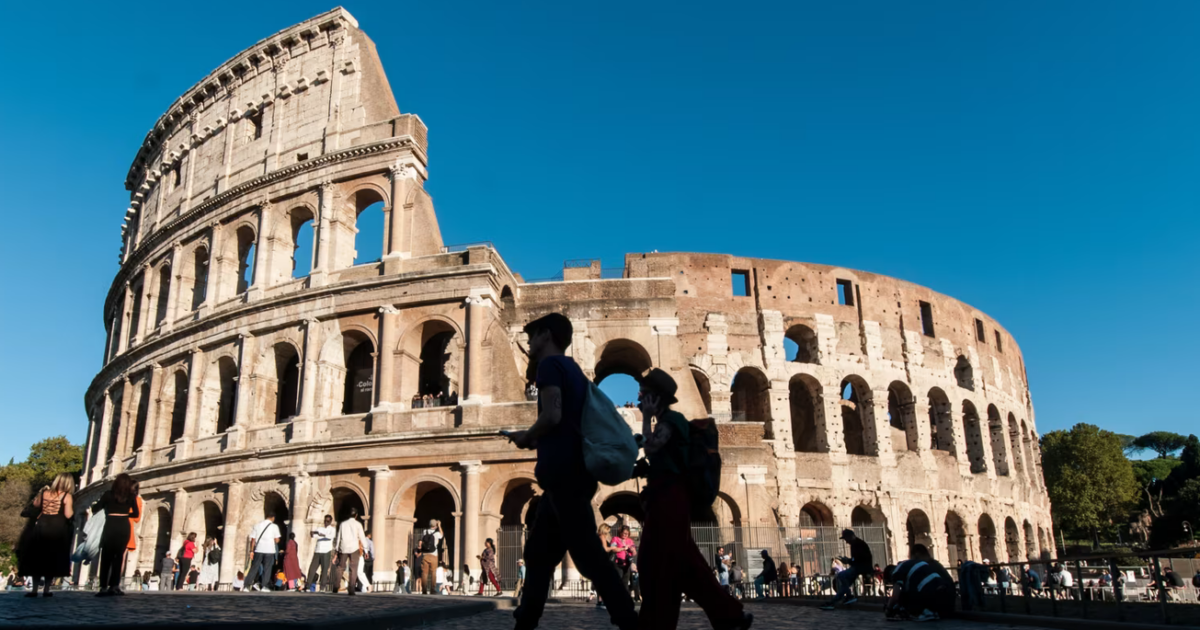
Rome’s ancient amphitheater, a symbol of imperial grandeur, has become the focus of a modern security experiment. In late August municipal authorities designated the area surrounding the Colosseum a “red zone,” granting police and military forces broader powers to intervene against crime.
The ordinance follows a July incident in which a group of roughly fifty youths fired fireworks, injuring several officers, and a series of pickpocketing reports that have unsettled both residents and visitors.
Background & Context
The Colosseum attracts millions of tourists annually, yet recent months have seen a spike in petty theft, drug dealing and confrontations near the site. Officials attribute the trend to “predatory crimes” amplified by the opening of a new metro station in December 2025, which includes an underground museum displaying artifacts uncovered during construction.
Security analyst Luca Bianchi notes that the station’s design inadvertently created a transit corridor for marginalized youths, who can move quickly between the subway and the historic centre, increasing opportunities for opportunistic crime.
Expanded Security Measures
Under the red‑zone decree, uniformed police now operate around the clock, supported by camouflage‑clad military personnel and mobile checkpoints. The decree also authorises officers to detain suspected offenders on sight or order them to vacate the designated perimeter.
Similar reinforced patrols have been deployed at Rome’s Termini train hub, St. Peter’s Basilica and the Basilica of Santa Maria Maggiore, reflecting a broader strategy to protect high‑traffic religious and transport sites that have experienced parallel upticks in criminal activity.
Community and Tourist Response
American visitor Janelle Triton, speaking to CNN, described witnessing a pickpocketing incident despite the visible security presence, underscoring the gap between enforcement and deterrence. Local hoteliers have issued night‑time advisories, urging guests to avoid the Colosseum area after dark.
City officials acknowledge that recent infrastructure investments—most notably an $8.3 billion subway expansion—may have unintentionally fueled the problem by increasing foot traffic without proportional social services for at‑risk populations.
Looking Ahead
The red‑zone status remains in effect until 24 December, after which a prefectural report is expected to evaluate its impact on crime statistics and visitor experience. Authorities have signalled a willingness to adjust tactics based on the findings, potentially integrating community outreach with law‑enforcement actions.
Long‑term resolution may hinge on balancing heritage preservation with socioeconomic interventions that address the root causes of urban decay, ensuring the Colosseum remains both a historic landmark and a safe public space.




0 Comments
Leave a Comment
No comments yet. Be the first to share your thoughts!