Key Takeaways
- Sarkodie nearly cancelled his Afro+ Fest 2026 set but performed after fans’ encouragement.
- The festival faced logistical disarray, exposing challenges in scaling Afro‑Caribbean events in the U.S.
- Audience response affirmed the demand for African hip‑hop on international stages.
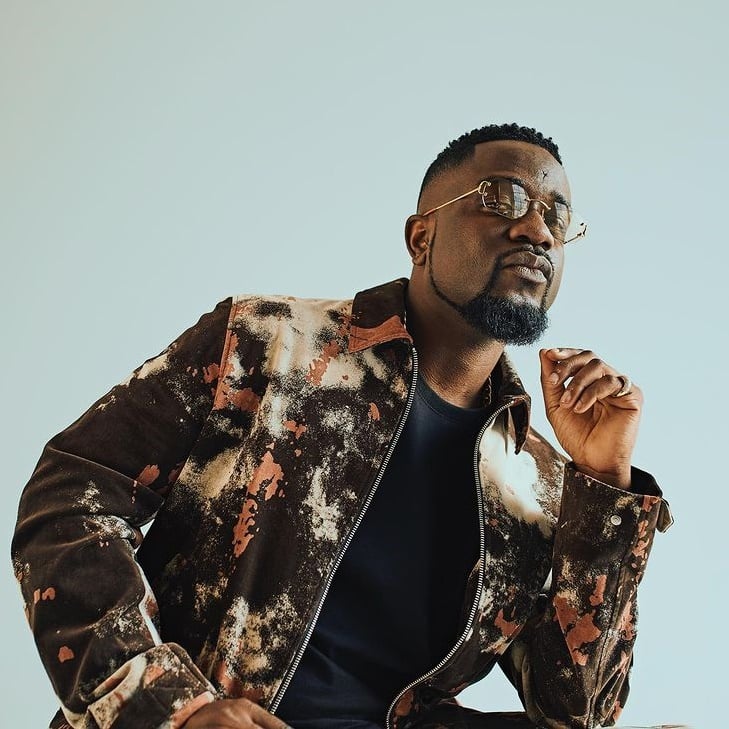
On September 6, 2026, the Northwest Stadium Complex in Landover, Maryland hosted the Afro+ Fest, a marquee gathering that showcases Afro‑Caribbean and hip‑hop talent. Ghanaian rapper Sarkodie, a central figure in the lineup, admitted moments before taking the stage that he contemplated walking away.
He later recounted that the fervor of the crowd compelled him to push past the hesitation, delivering a performance that resonated with fans despite the event’s operational shortcomings.
Background & Context
Afro+ Fest originated in 2015 as a platform for diaspora artists to connect with North American audiences. Over a decade it has expanded to multiple venues, drawing sponsors from major brands and positioning itself as a cultural bridge for African music. The 2026 edition marked the festival’s first appearance at the Northwest Stadium Complex, a venue traditionally reserved for large‑scale sporting events.
The shift to a larger arena introduced new logistical variables, including stage setup, sound engineering, and crowd flow management. Organizers aimed to accommodate a projected attendance of 30,000, a significant increase from prior years, but the rapid scaling revealed gaps in coordination.
Performance Dynamics
Sarkodie’s set began with a brief pause as he mentally prepared to step onto a stage that he described as “extremely disorganized.” His remarks on social media highlighted the tension between artistic intent and event execution. Nonetheless, once on stage, he delivered a repertoire spanning early hits and recent releases, maintaining a kinetic energy that aligned with the festival’s celebratory atmosphere.
The audience’s reaction was immediate; chants and applause sustained throughout the performance, indicating a strong connection between the artist and his supporters. This dynamic underscored the role of fan engagement in mitigating backstage uncertainties.
Broader Implications
The incident illustrates the growing pains of African‑centric festivals seeking mainstream footholds in the United States. While demand for Afro‑beat and hip‑hop continues to rise, the infrastructure supporting large‑scale events must adapt to meet heightened expectations for production quality and artist safety.
Moreover, Sarkodie’s willingness to perform despite personal doubts signals a broader commitment among African artists to maintain visibility on global stages, reinforcing the continent’s cultural export strategy.
Looking Ahead
Future editions of Afro+ Fest are likely to incorporate lessons from the 2026 experience, prioritizing logistical precision while preserving the grassroots energy that defines the brand. Stakeholders may invest in dedicated production teams and contingency planning to safeguard both performers and audiences.
For Sarkodie, the episode adds a narrative of resilience to his career, suggesting that his influence will extend beyond music into advocacy for better event standards within the African diaspora’s touring circuit.

0 Comments
Leave a Comment
No comments yet. Be the first to share your thoughts!