
Key Takeaways
- Shatta Wale’s scheduled KNUST concert was cancelled due to security concerns.
- The artist redirected his itinerary, performing at Stamford Lounge and meeting the Ashanti Regional Police Commander.
- Large crowds greeted him throughout Kumasi, underscoring his cultural influence.
- The police visit highlighted cooperation between entertainment figures and law enforcement in Ghana.
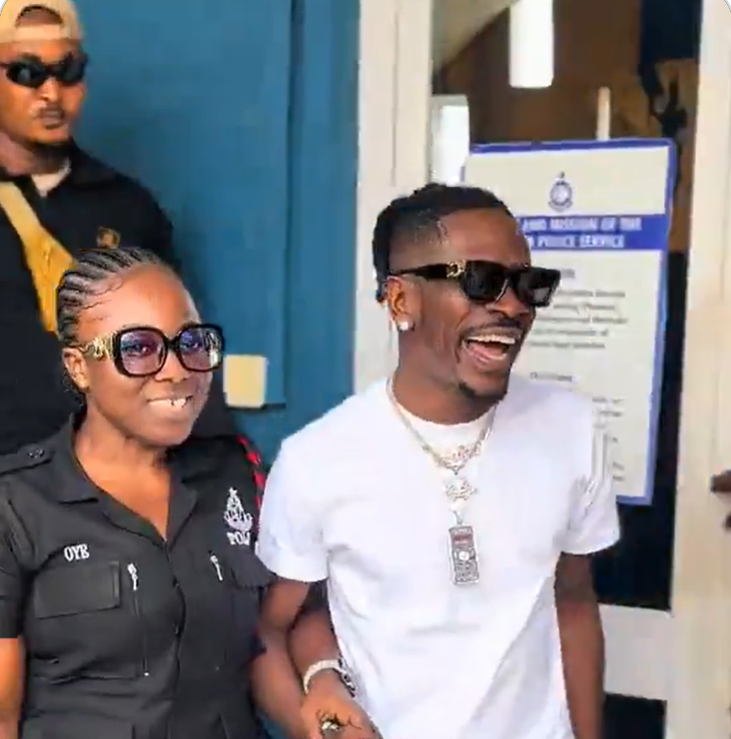
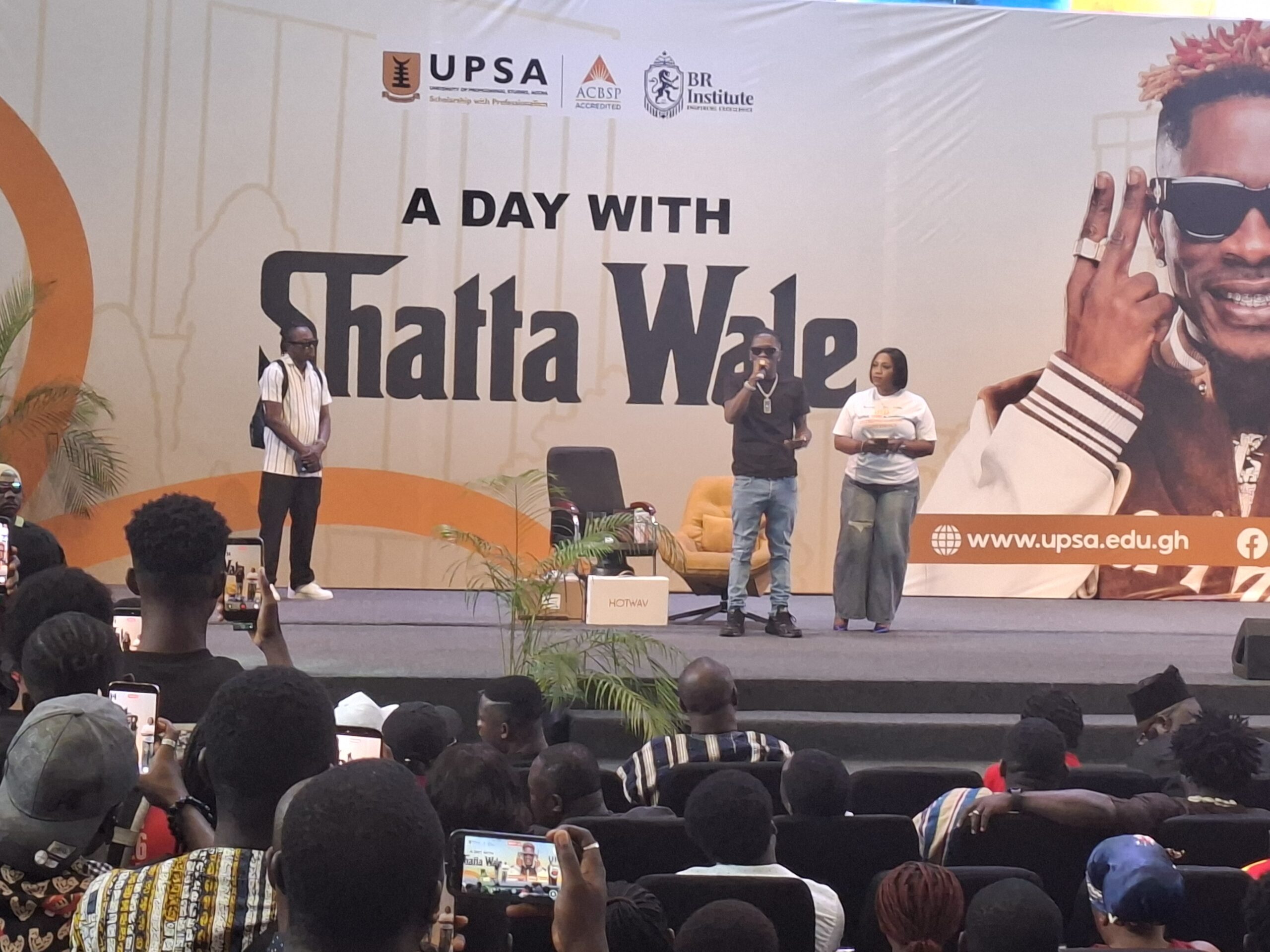
Ghanaian dancehall icon Shatta Wale concluded a multi‑day stay in Kumasi with a courtesy meeting at the Ashanti Regional Police Command. The appearance followed the abrupt cancellation of a highly anticipated concert at Kwame Nkrumah University of Science and Technology, a decision driven by assessments of crowd safety.
Despite the setback, the performer maintained a visible presence in the city, delivering a high‑energy set at Stamford Lounge and engaging with fans across several informal gatherings before the formal police engagement.
Background & Context
Shatta Wale, born Charles Nii Armah Mensah Jr., commands a fan base that routinely fills university auditoriums and public venues. His concerts have historically been among the most attended events in Ghana, prompting heightened security protocols. The KNUST cancellation reflects a broader pattern where authorities preemptively limit large gatherings after incidents such as the 2022 Accra stadium stampede.
University campuses in Ghana serve as cultural hubs, and the prospect of a Shatta Wale performance generated extensive media buzz. University officials, police, and private security firms typically collaborate to manage crowd flow, but risk assessments can override commercial interests when public safety is deemed at risk.
Police Visit and Symbolism
The final stop of Shatta Wale’s itinerary was a meeting with Regional Police Commander, COP Arthur Osei‑Akoto, at the Ashanti Regional Police Headquarters. Formal visits of this nature are customary for high‑profile personalities, signalling mutual respect and a willingness to cooperate on community safety initiatives. During the discussion, the officer praised the artist’s influence on youth culture and reiterated the police force’s commitment to safeguarding public events.
Observers noted that the meeting reinforced a narrative of partnership between the entertainment sector and law enforcement, a relationship that can mitigate potential unrest during large gatherings. The presence of luxury vehicles and a coordinated departure also projected an image of order and professionalism.
Public Reaction and Cultural Impact
Videos circulating on social media captured sizable crowds lining streets to welcome Shatta Wale at multiple points, from the lounge performance to the police headquarters. The enthusiastic turnout illustrates the artist’s role as a cultural ambassador, capable of mobilising diverse demographics across Ghana’s second‑largest city.
Critics argue that the fervor surrounding such events can strain municipal resources, while supporters contend that the economic activity generated by concerts and related engagements benefits local businesses. The cancellation, however, sparked debates about the balance between security imperatives and the public’s appetite for large‑scale entertainment.
Looking Ahead
Future organizers of Shatta Wale concerts are likely to incorporate more robust risk‑assessment frameworks, potentially involving joint planning with the Ghana Police Service. The artist’s willingness to engage directly with police officials may set a precedent for other performers seeking to navigate Ghana’s evolving security landscape.
Stakeholders anticipate that the incident will encourage dialogue on crowd‑management policies, ensuring that cultural events can proceed without compromising public safety.




0 Comments
Leave a Comment
No comments yet. Be the first to share your thoughts!